
Contributing Authors: Michael Dixon (TRRP), Kiana Abel (TRRP)
The Trinity River Restoration Program was established to address the impacts of the construction and operation of the Trinity River Division of the Central Valley Project on wildlife below Lewiston Dam. Although a significant portion of our direct investment continues to be on completing mainstem restoration, we have expanded our focus to provide both financial and in-kind support to partners who are working to restore fish access and habitat quality in key tributaries throughout the basin.
This year, 2026, the TRRP are involved in design and/or implementation to support projects happening in several places throughout the watershed. Below is a list of those that are projected to be completed or implemented this year.
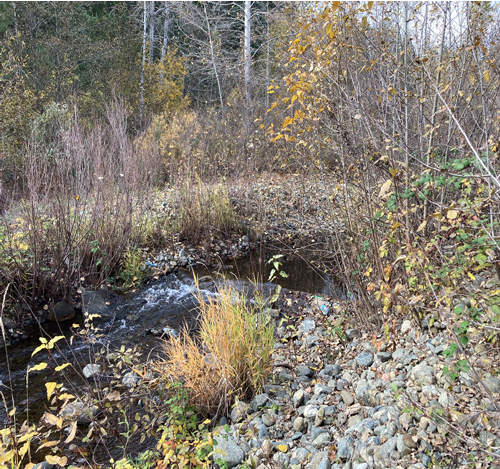
Weaver Creek Habitat Restoration – The Yurok Tribe, Nor Rel Muk Wintu Tribe
The Yurok Tribe Construction Corporation have begun rehabilitation along Weaver Creek, a tributary to the Trinity River. The project will control the spread of invasive plant species, establish habitat connectivity during summertime baseflow conditions, and support populations of threatened Coho Salmon through enhanced floodplain an instream habitat conditions. The Yurok Tribe is collaborating with the Nor Rel Muk Wintu Tribe, federal land managers, the Weaverville Sanitary District, and adjacent landowners. The project site is closed until completion for the safety of the public. Completion is projected by October 15. Matching funds for construction were provided by the Bureau of Reclamation WaterSMART Grant and the California Department of Fish and Wildlife’s Cannabis Restoration Grant Program. The initial design was funded by the TRRP Watershed Grant Program and the US Fish and Wildlife Klamath Basin Grant Program.
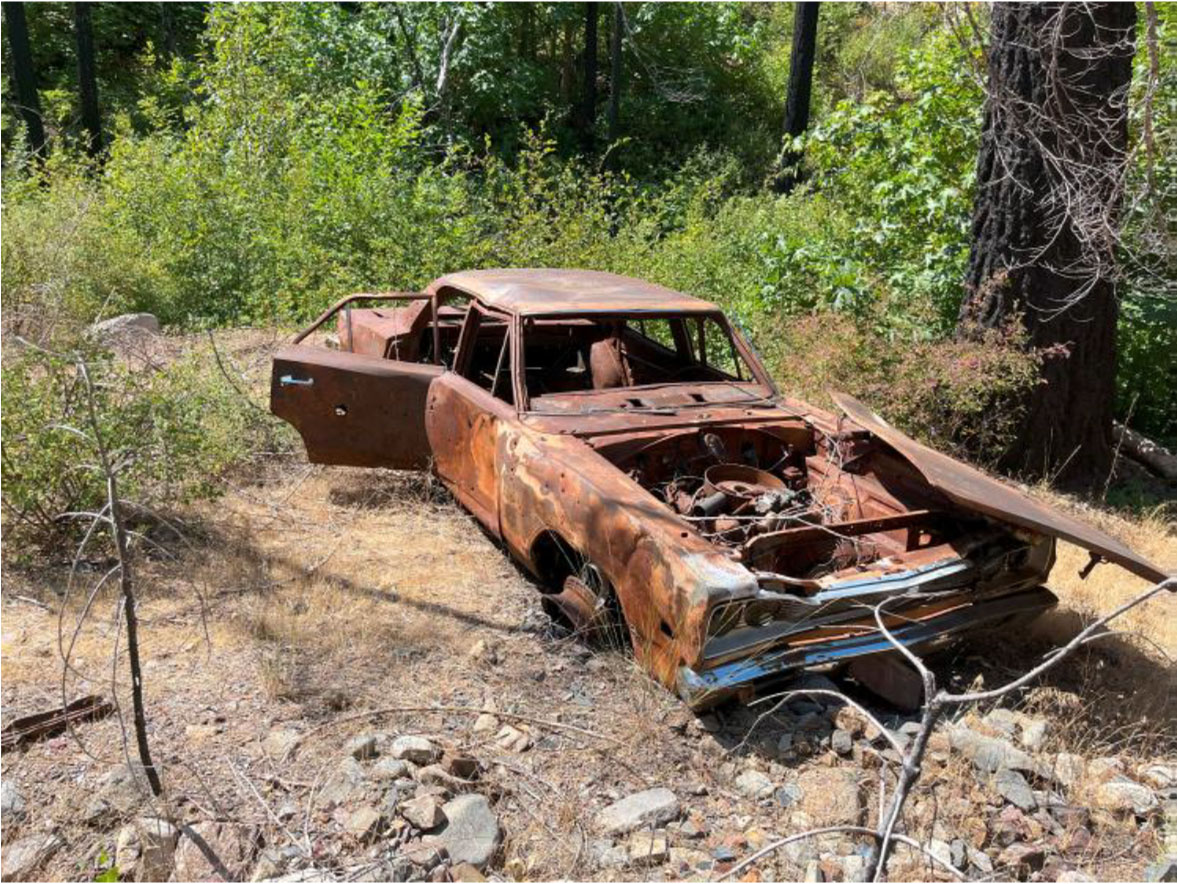
Deadwood Creek Sediment Reduction Project – Northwest California Resource Conservation & Development Council (5Cs)
This project is nearing completion and intends to improve sediment delivery in Deadwood Creek, the first major Trinity River tributary below Lewiston Dam. The project will remove legacy mine tailings from Mill Gulch, decommission Thorne Gulch Road, install and enhance 12 rolling or critical dips, remove abandoned vehicles and debris from stream channels and floodplains and build stream enhancement features in Thorne Gulch. The Deadwood Creek project was the first watershed rehabilitation project to use the Trinity River Watershed Environmental Assessment in the project planning process.
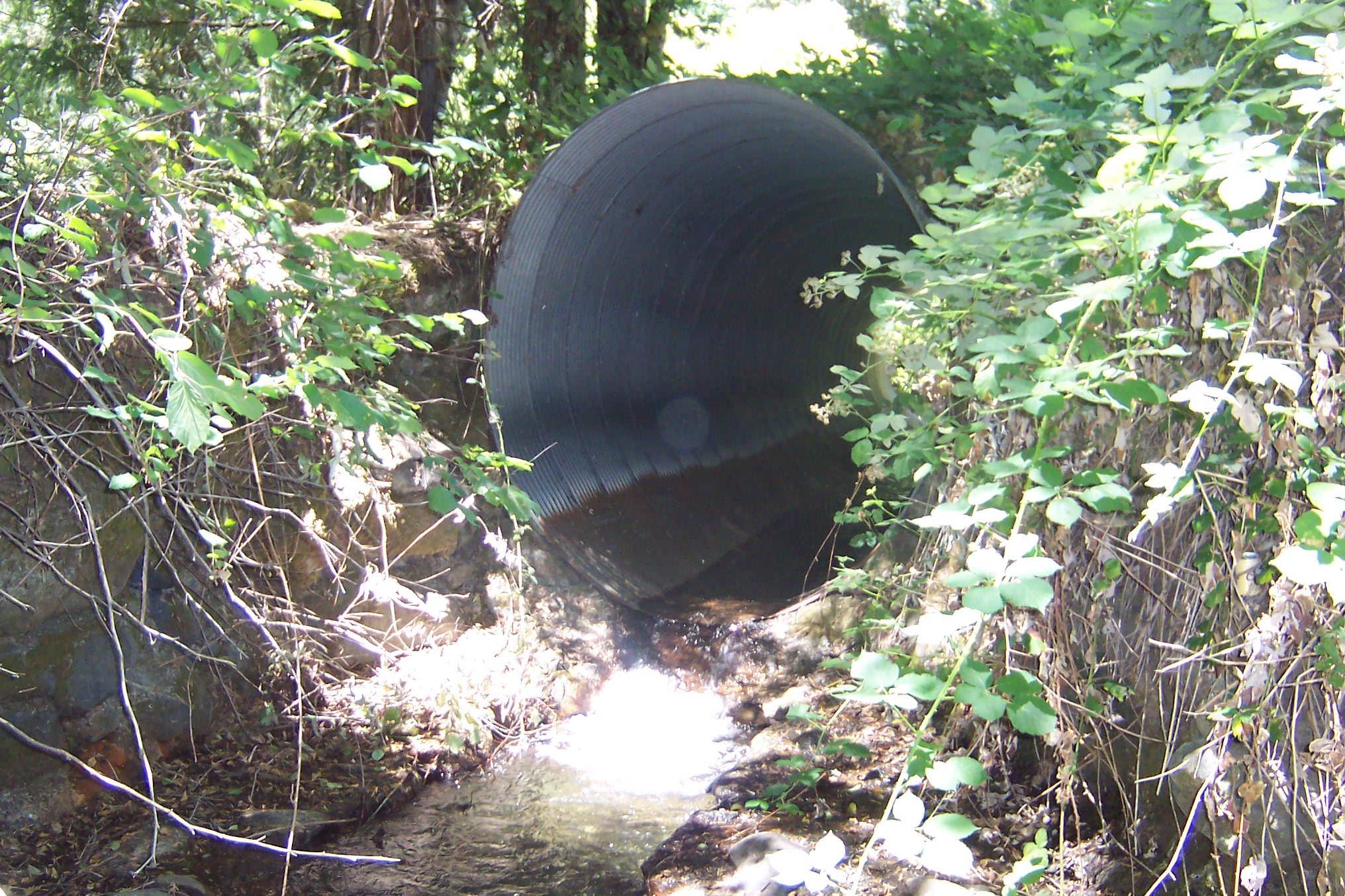
East Branch East Weaver Creek Migration Barrier Removal – Northwest California Resource Conservation & Development Council (5Cs)
This project will replace an aging culvert that has become a fish passage barrier on the East Branch of East Weaver Creek. The new infrastructure placement will open nearly 2 miles of habitat for anadromous species of the Trinity watershed and is slated for implementation summer of 2026.
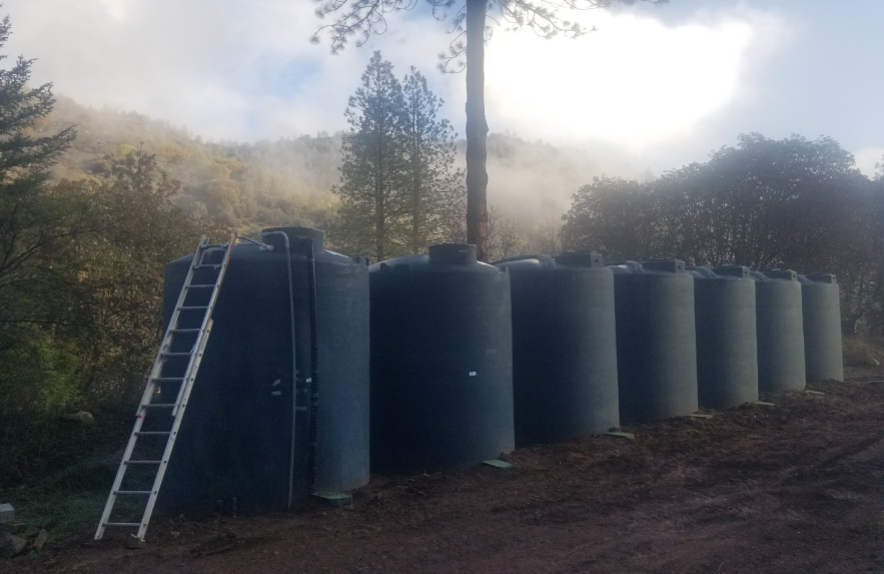
Water Resiliency in the Greater River Trinity Watershed for Aquatic Ecosystem and Human Domestic Needs – The Watershed Research and Training Center
The organization is tasked to plan and implement storage tank arrays and establish long-term forbearance agreements to reduce annual water withdrawals from key tributaries to the Trinity River during the summer low-flow period. The project will increase the quality and quantity of natural habitats crucial to the survival of anadromous fishes and aquatic organisms in the Trinity River Watershed. Implementation for one landowner along Brown’s Creek is scheduled for 2026.
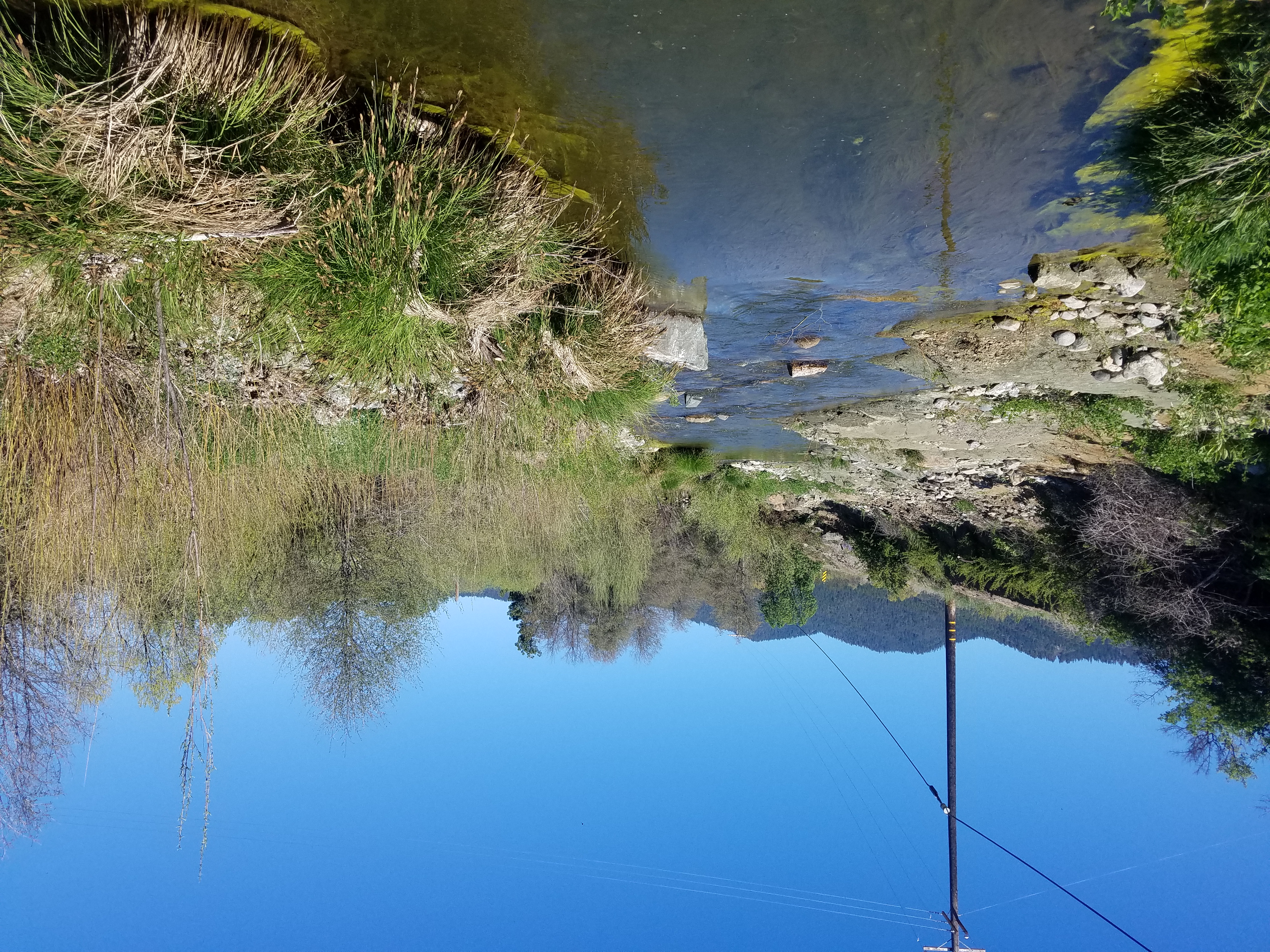
Salt Creek Floodplain Restoration – The Watershed Research and Training Center
This project aims to improve 2,000 feet of heavily degraded salmonid habitat along Salt Creek, a South Fork Trinity River tributary, by reconnecting the creek to its historic floodplain using engineered and process-based restoration techniques. The WRTC recently received additional funding from the Wildlife Conservation Board and the habitat improvement project will move forward once permitting allows, in either the summer 2026 or 2027.
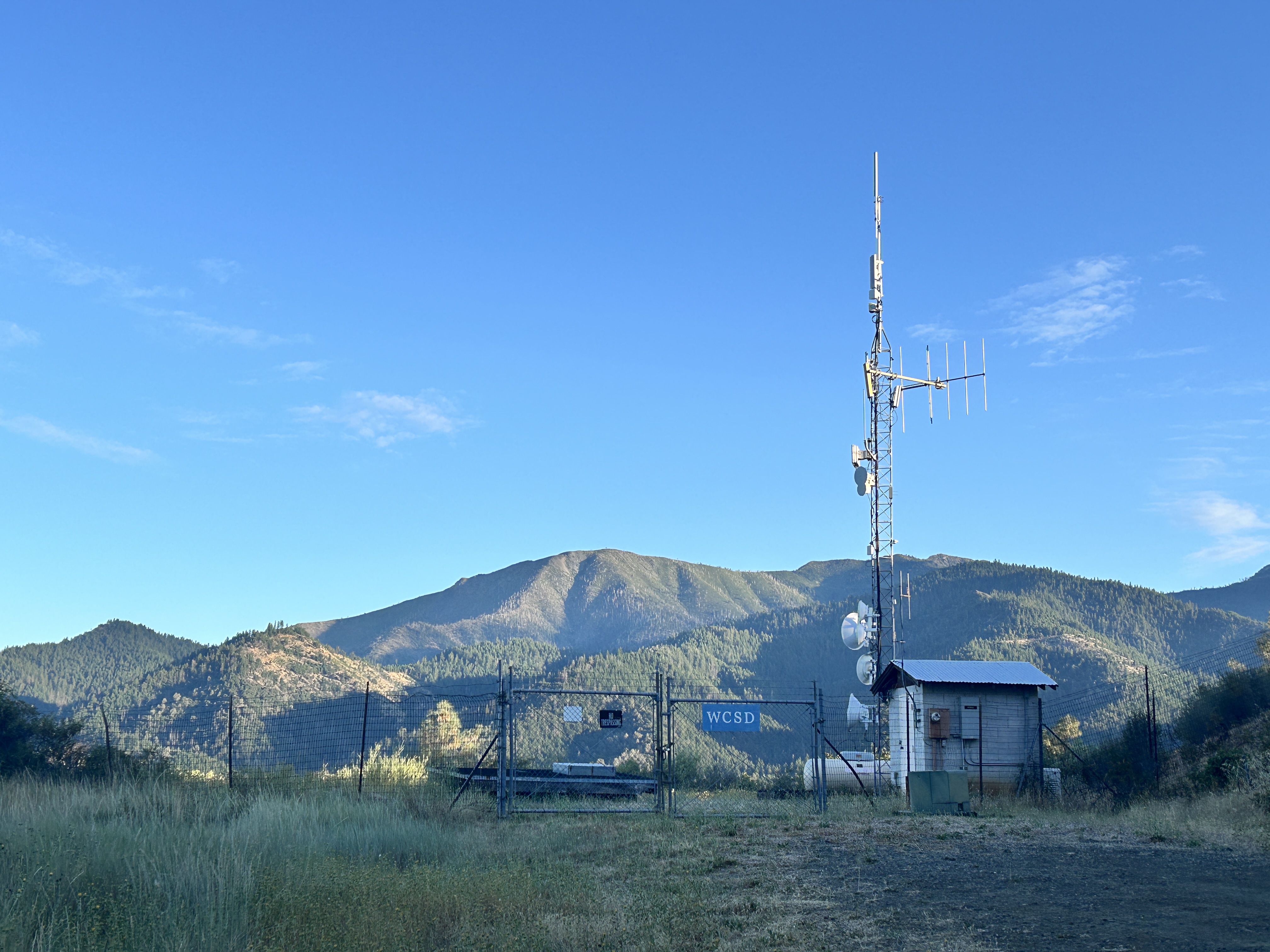
Douglas City Community Services District Feasibility Study for Fish Habitat Improvement in Trinity River Tributaries – Watershed Research and Training Center
This project is nearing completion and intends to assess the economic feasibility of creating and maintaining a
community services district (CSD) that could provide a stable water supply to residents in rural Douglas City. The development of a CSD could leave water instream for improved habitat connectivity for steelhead, SONCC coho salmon, and Chinook salmon in Browns and Reading Creeks both tributaries to the Trinity River. Project would help determine if a CSD is an economically viable option to achieve environmental and community benefits under an increasingly dry climate.
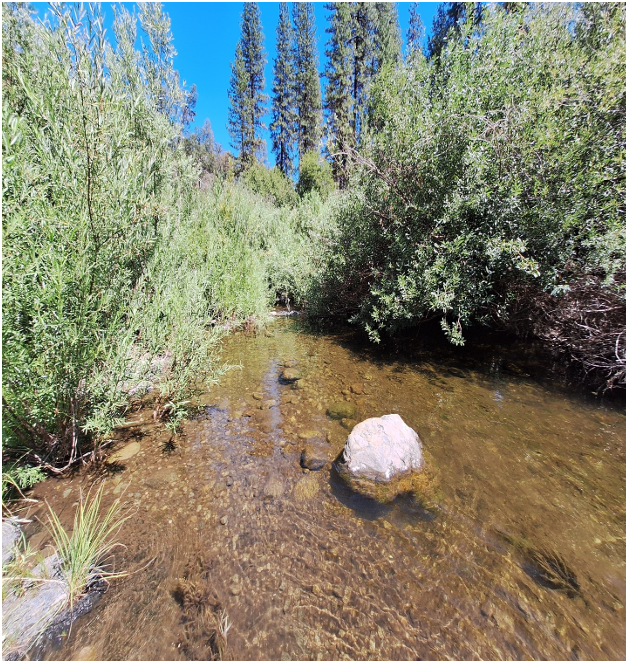
Upper Hayfork Creek Assessment and Planning Project – The Watershed Research and Training Center
Funds were awarded in 2024 to assess over 17 stream miles and 700 floodplain acres within the upper Hayfork Creek watershed, a major tributary to the South Fork Trinity River. Once complete, the assessment will identify restoration opportunities to improve salmonid habitat quality and quantity. The assessment is nearing completion of the Restoration Assessment and Planning document which prioritizes a list of restoration projects and includes a restoration design to advance toward implementation.
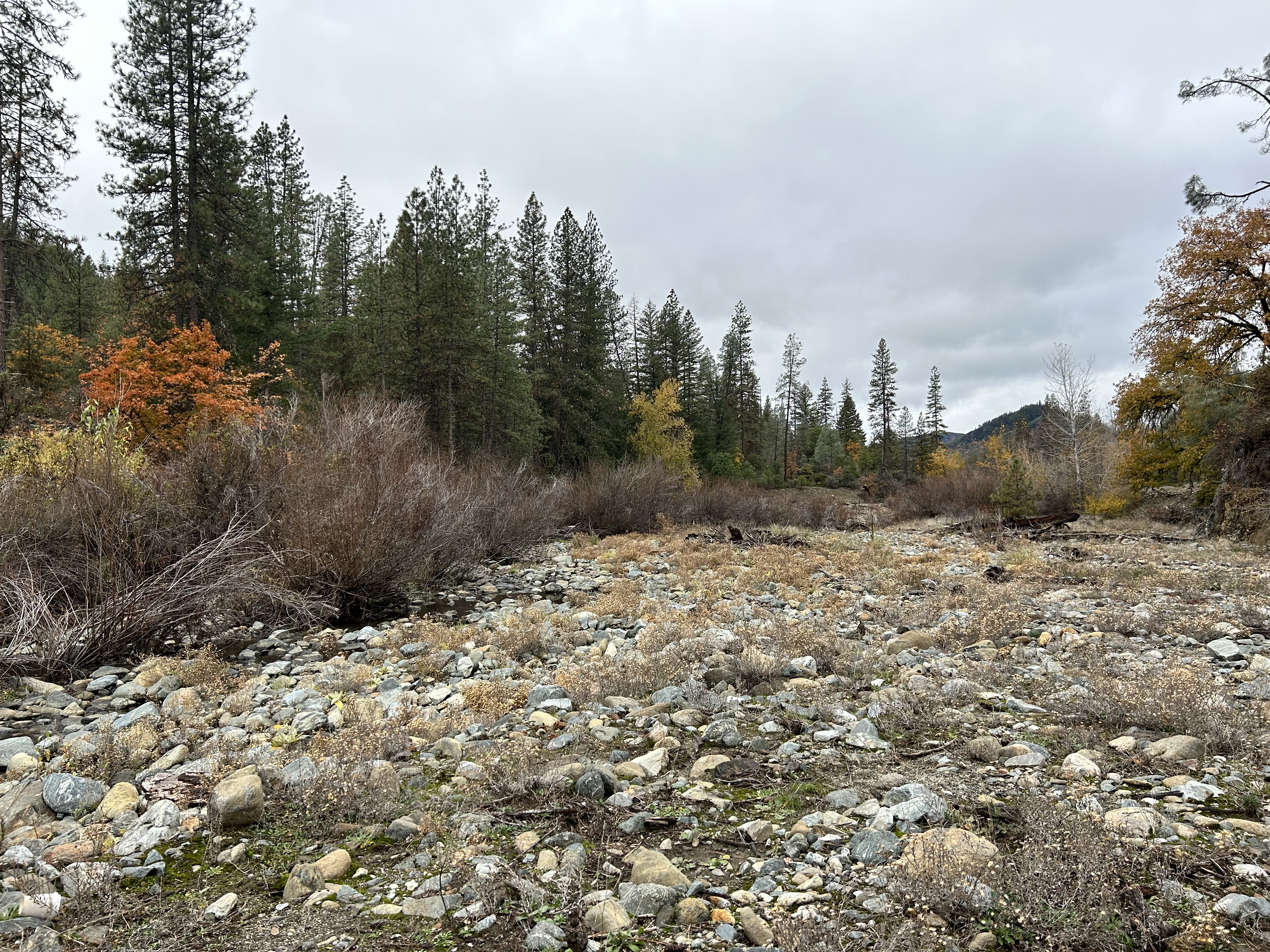
Indian Creek Fish Passage Barrier Removal Feasibility Project – The Yurok Tribe
The Yurok Tribe was granted funding to evaluate conditions, produce a project feasibility study and design that will mitigate barriers to anadromous fish passage throughout a reach of Indian Creek, a tributary to the Trinity River. The evaluation will assess the removal of a significant barrier to fish passage and reopen 7.5 miles of stream and 85 acres of habitat suitable for SONCC coho salmon, among other aquatic species. The study and design are expected to be complete this year.
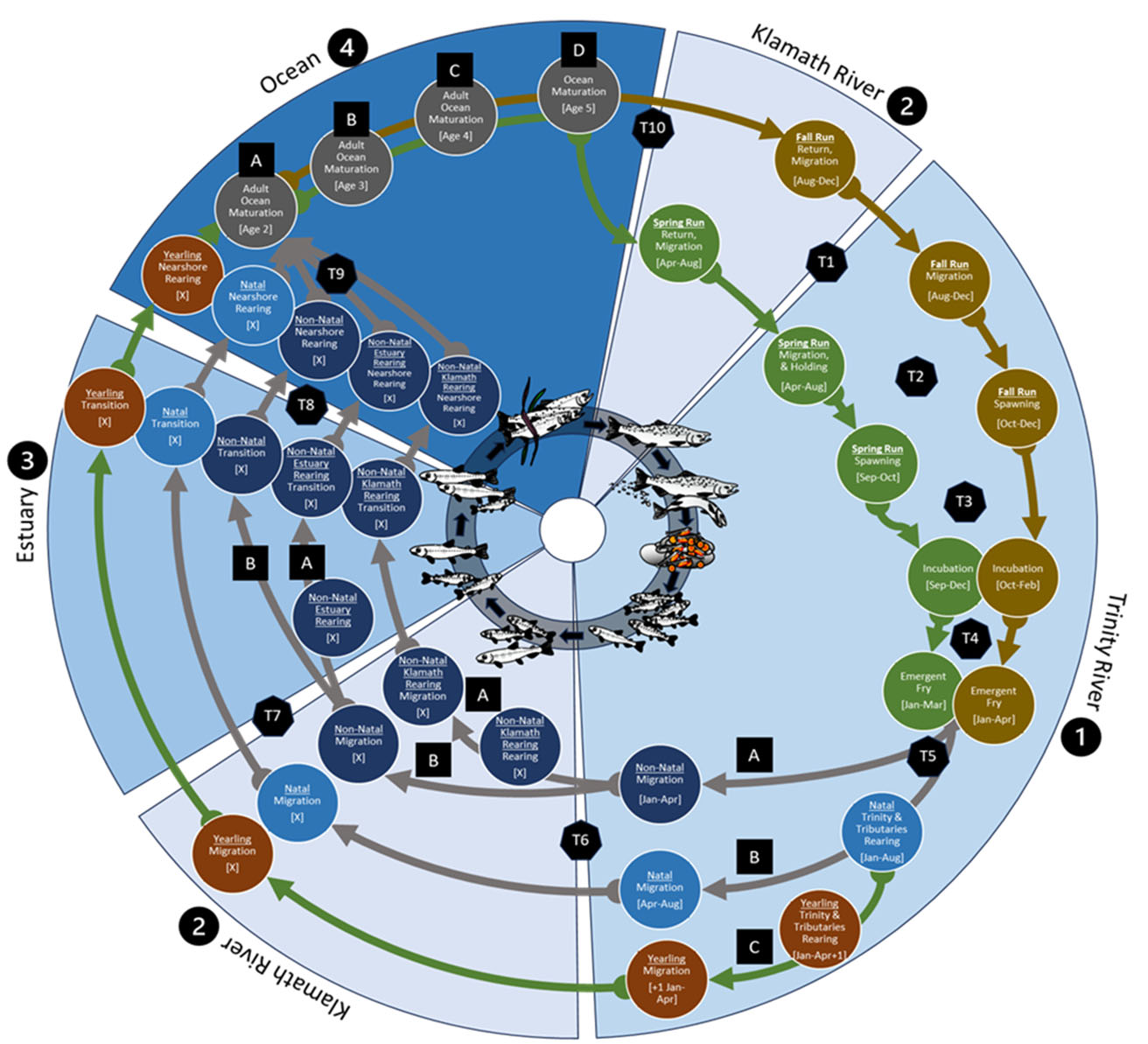
Limiting Factors Analysis of Chinook Salmon – Cramer Fish Sciences
Over the past year Cramer Fish Sciences and technical advisors from the Program have worked in collaboration to conduct a Limiting Factors Analysis with the objective of understanding why an increase in the number of Chinook salmon smolts produced in the Trinity River watershed has not resulted in a corresponding increase in the number of returning adult salmon. The collaboration intends to wrap up this fall with a presentation to the Trinity Management Council along with a technical report, user guide, life cycle model and a graphical user interface.
We’d like to thank our partners, grantees, and the National Fish and Wildlife Foundation.
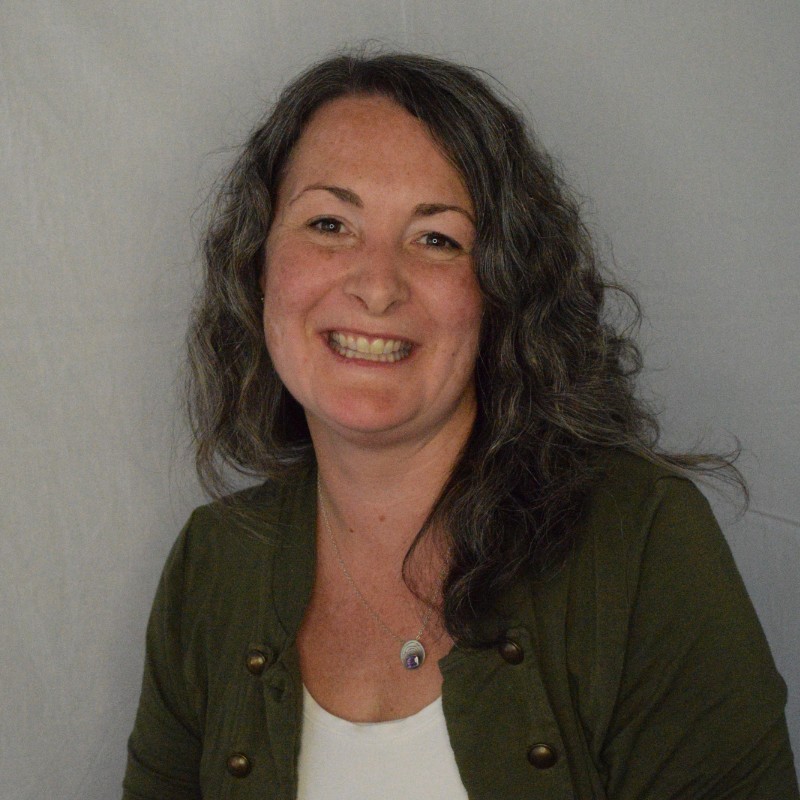
Kiana Abel, Public Affairs Specialist
As Public Affairs Specialist for the Trinity River Restoration Program, Kiana manages external communications, media relations, and stakeholder outreach. She acts as a liaison between program initiatives and the public, transforming technical findings into compelling narratives that promote understanding of restoration initiatives on the Trinity River. Kiana holds a Batchelor’s in Art History, has spent most of her career in marketing and is focused at the TRRP on bridging the gap between public awareness and resource restoration and management.