
Ecology in Motion: Wildlife Interactions After River Rehabilitation
By: Simone Groves, Riparian Ecologist, Hoopa Valley Tribal Fisheries with contributions from James Lee, Implementation Branch Chief and Kiana Abel, Public Affairs Specialist – Trinity River Restoration Program
Disturbance: A Natural Driver of River Ecosystems
Disturbance is a fundamental ecological force across western North America. At small scales, a fallen tree opens space and sunlight; at larger scales, wildfire or major floods reshape entire landscapes. Historically, the Trinity River experienced seasonal floods that scoured floodplains, deposited sediment and wood, and reset vegetation communities. These events initiated ecological processes that made the river corridor dynamic and biologically rich.
Succession in River Environments
Following major disturbance, the floodplains of rivers like the Trinity River undergo predictable successional phases. After high flows deposit bare gravel and sand, these new surfaces become recruitment beds for species like black cottonwood (one of the clearest examples of primary succession along the Trinity). In other cases, where vegetation is cleared but soils and roots remain, secondary succession accelerates recovery. In both processes, disturbance serves as the starting point that enables riparian vegetation to establish, mature, and ultimately support riparian wildlife.
Riparian Vegetation Depends on Disturbance
Riparian habitats occupy a small fraction of the landscape, yet they are used by most wildlife species in the Trinity River watershed during some part of their life cycles. Without periodic disturbance, riparian vegetation is gradually replaced by upland species that are less valuable to wildlife. The river once maintained this vegetation naturally through regular high flow events. Today, with Trinity and Lewiston Dams reducing the timing and magnitude of floods, the natural disturbance regime has been significantly altered.
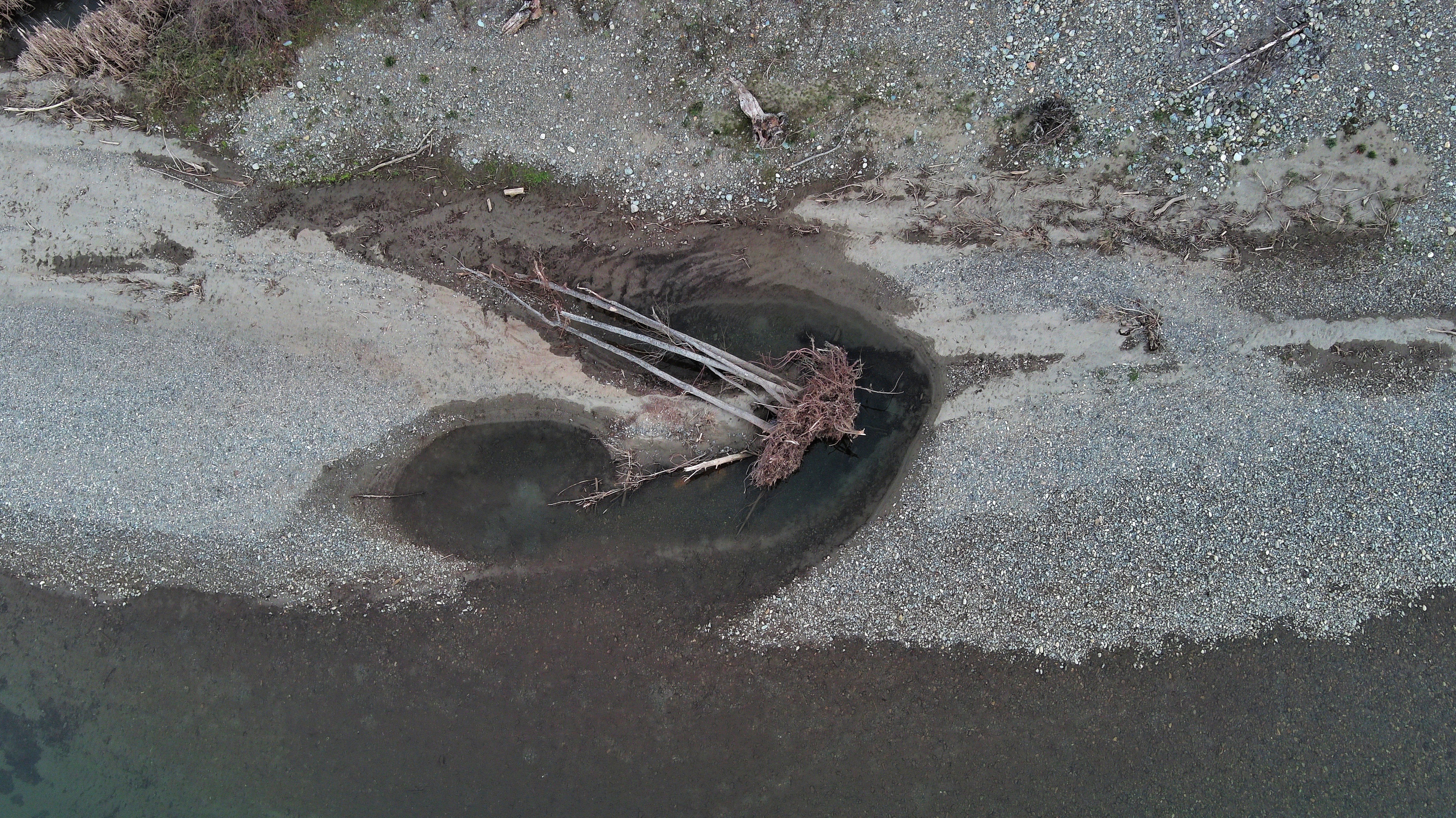
Because large, channel-shaping floods no longer occur downstream of the dams, channel rehabilitation and the use of big machines to lower floodplains has become an essential tool to reintroduce areas no longer available to the river for primary and secondary succession. Recently completed projects such as the Upper Connor Creek and Oregon Gulch Channel rehabilitation projects in Junction City, Ca. are two such examples. While the designs were unique to each location overall each project aimed to lower floodplain surfaces, reconnected the main stem Trinity with floodplain areas, increase channel complexity, and distribute large wood to mimic features historically formed by floods. Although mechanical disturbance differs in scale and timing from natural floods, it provides the ecological reset needed to restart successional processes.
Observed Wildlife Response
As new surfaces at Upper Connor Creek stabilized during and after construction, wildlife quickly responded.
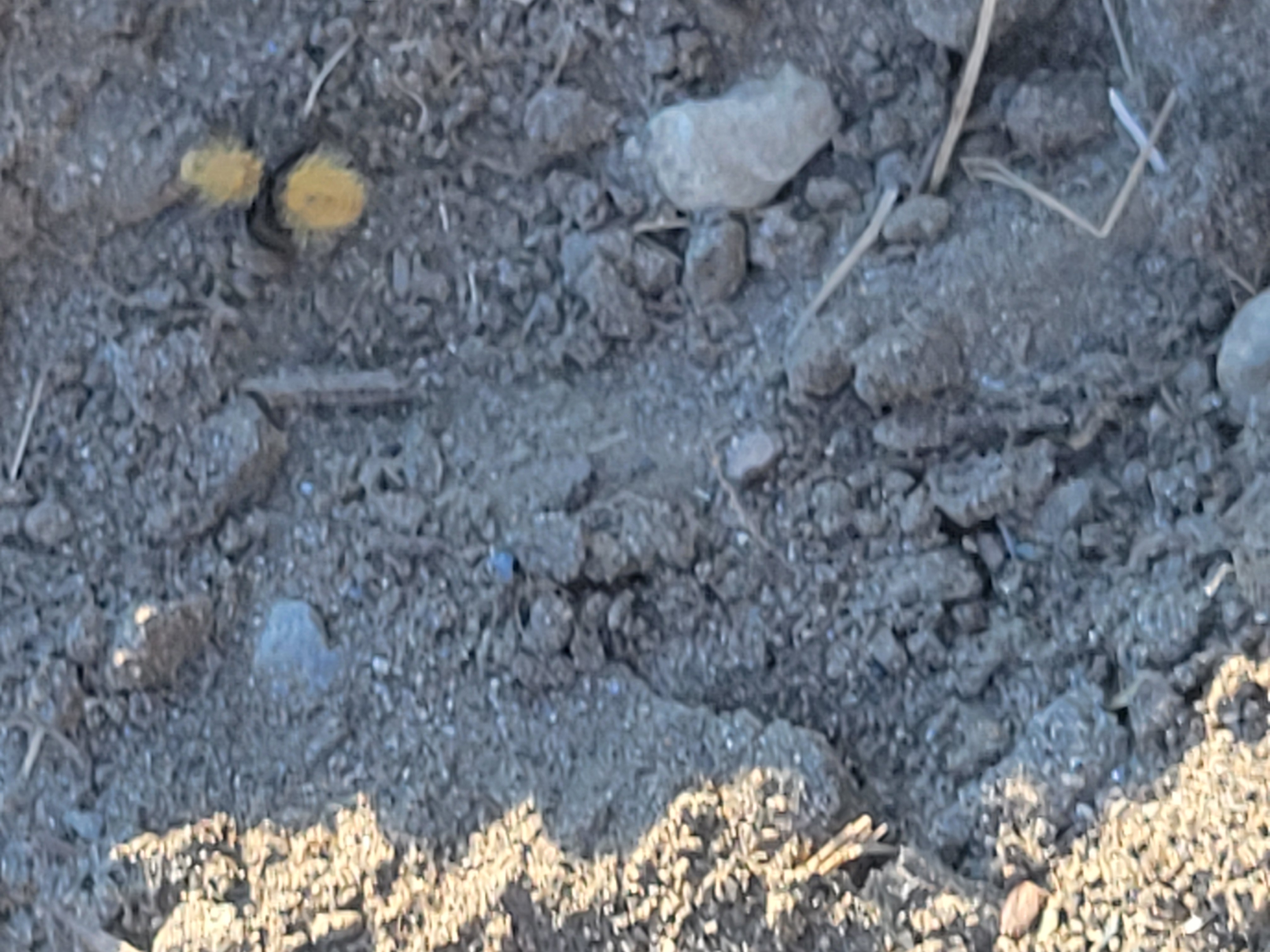
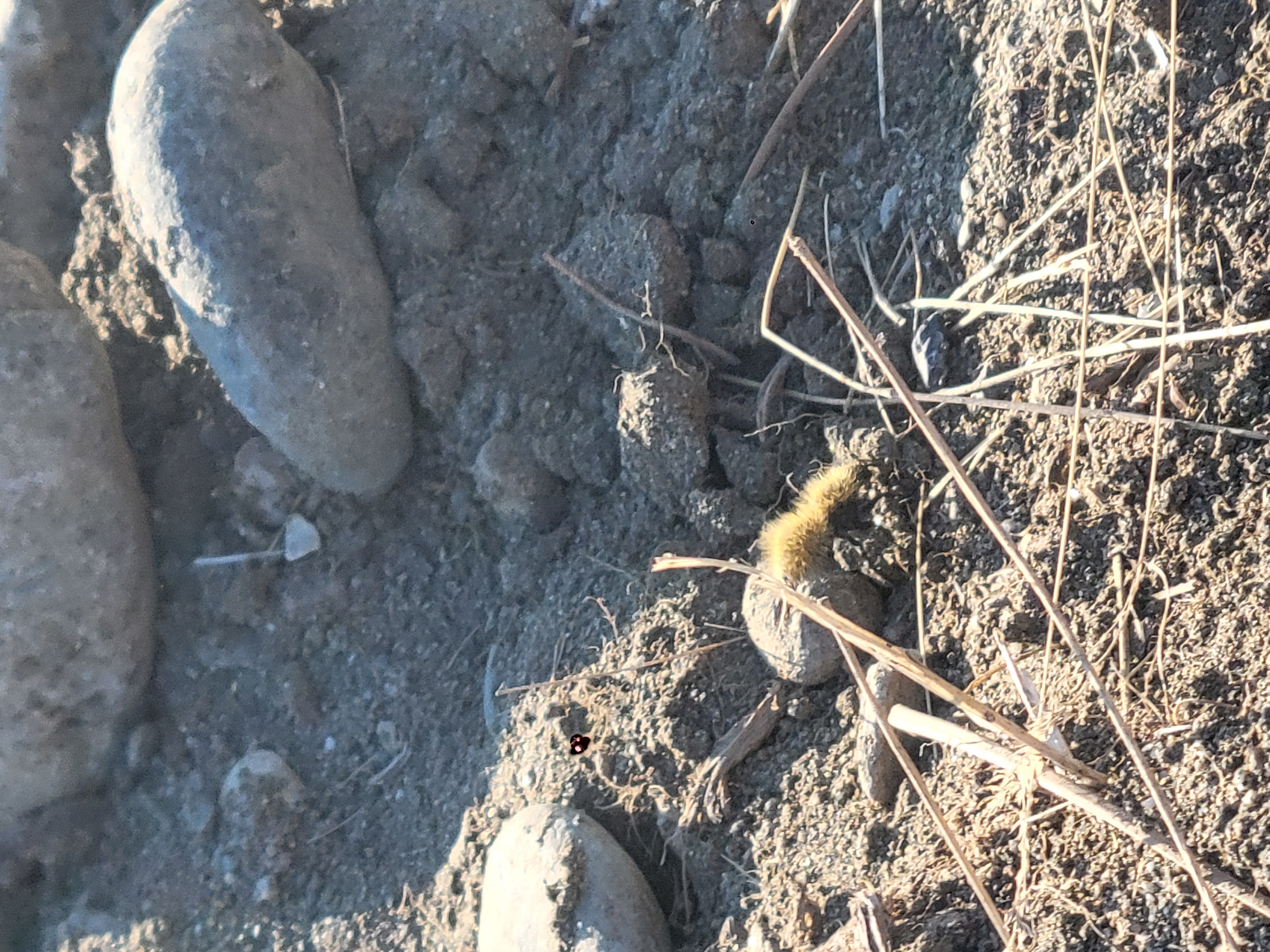
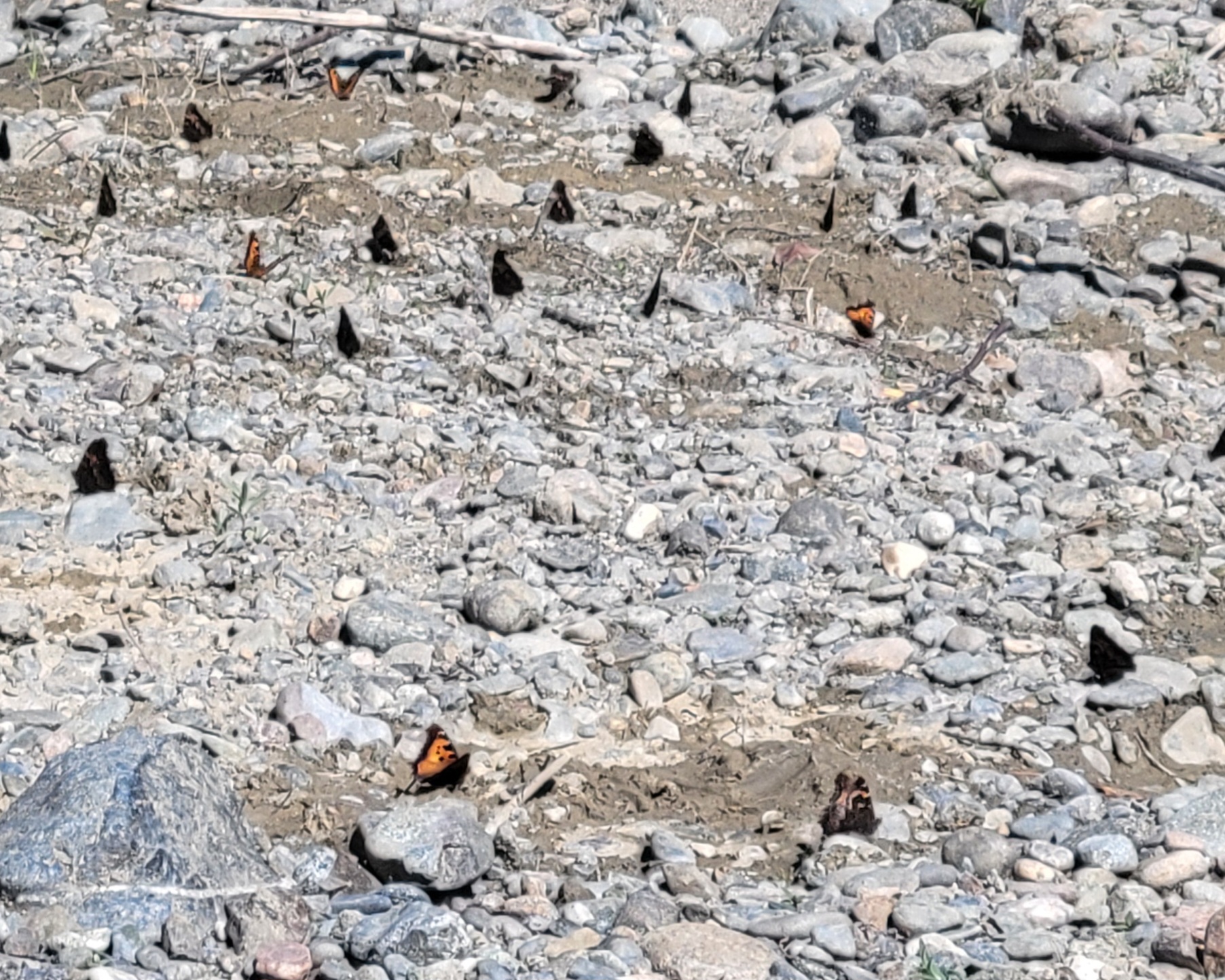
Insects were among the earliest arrivals. Butterflies and native bees collected salts on wet sediments, velvet ants moved rapidly across disturbed soils, and dragonflies patrolled the project perimeter. As winter approached, clusters of lady beetles gathered within the shelter of planted bunchgrasses.
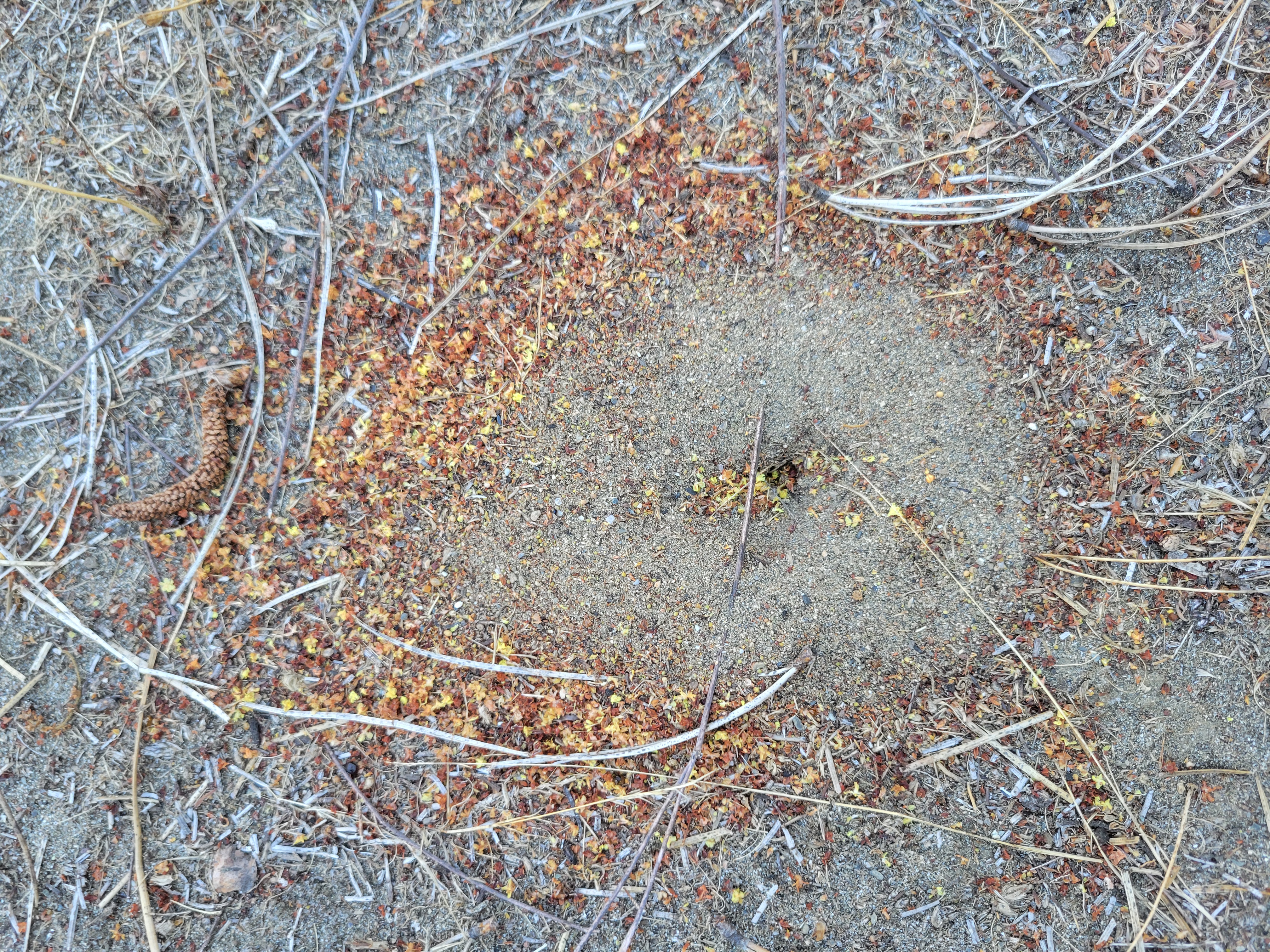
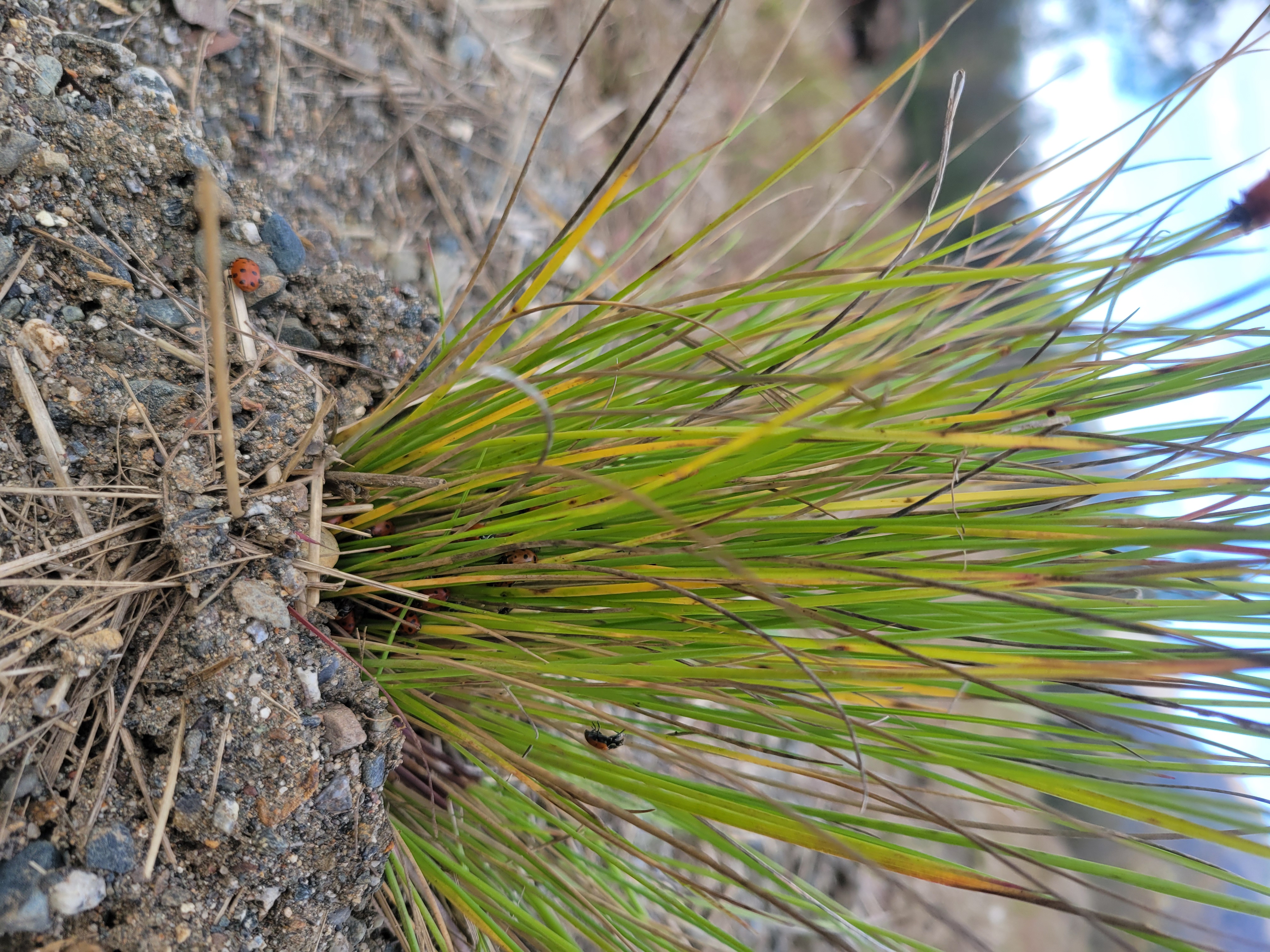
Small mammals moving up the food chain, rodents moved in to the area soon after excavation stopped. Evidence of ground squirrels, and mice were found occupying large wood structures and burrows developed near newly planted bunch grasses.
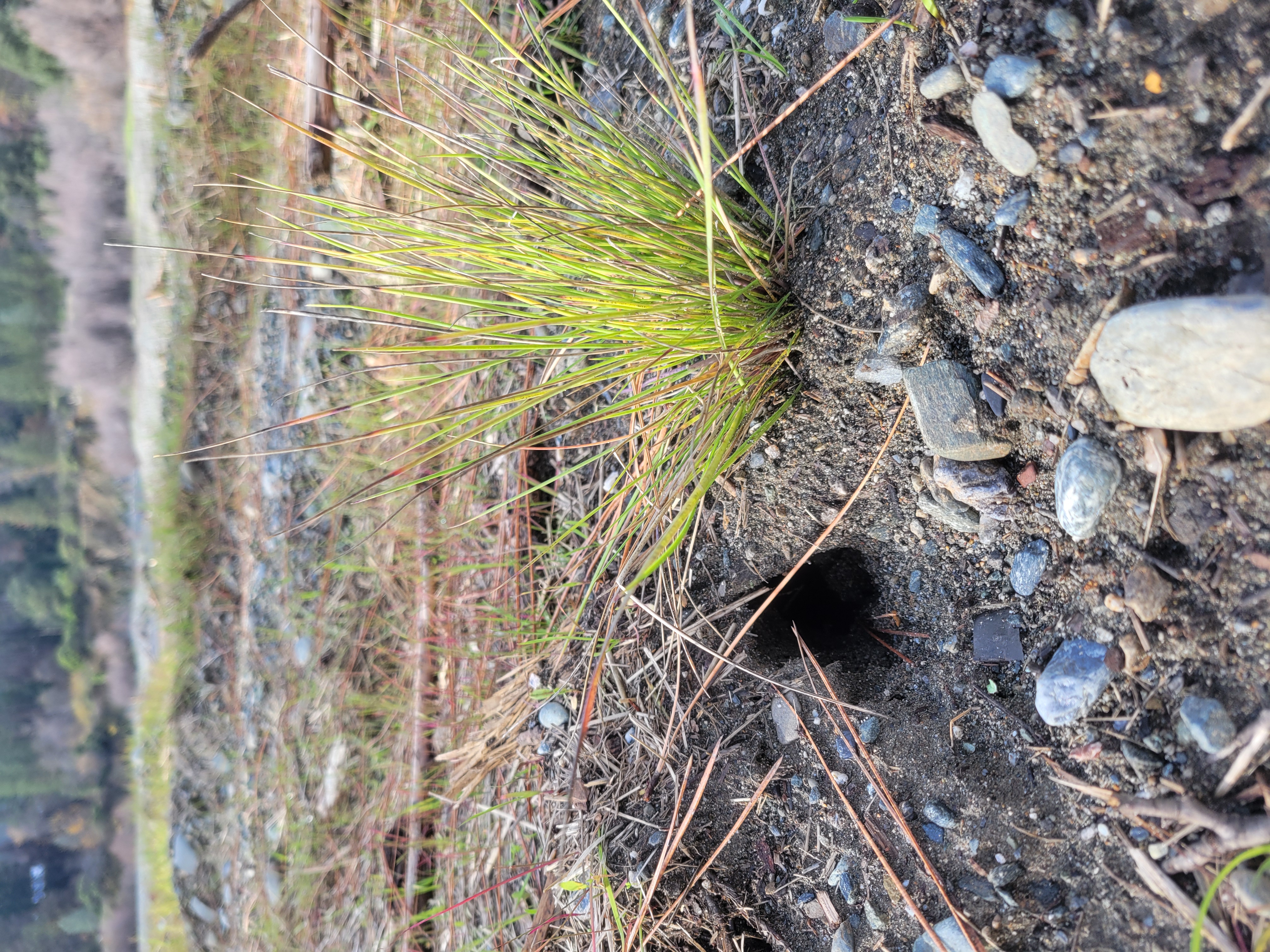
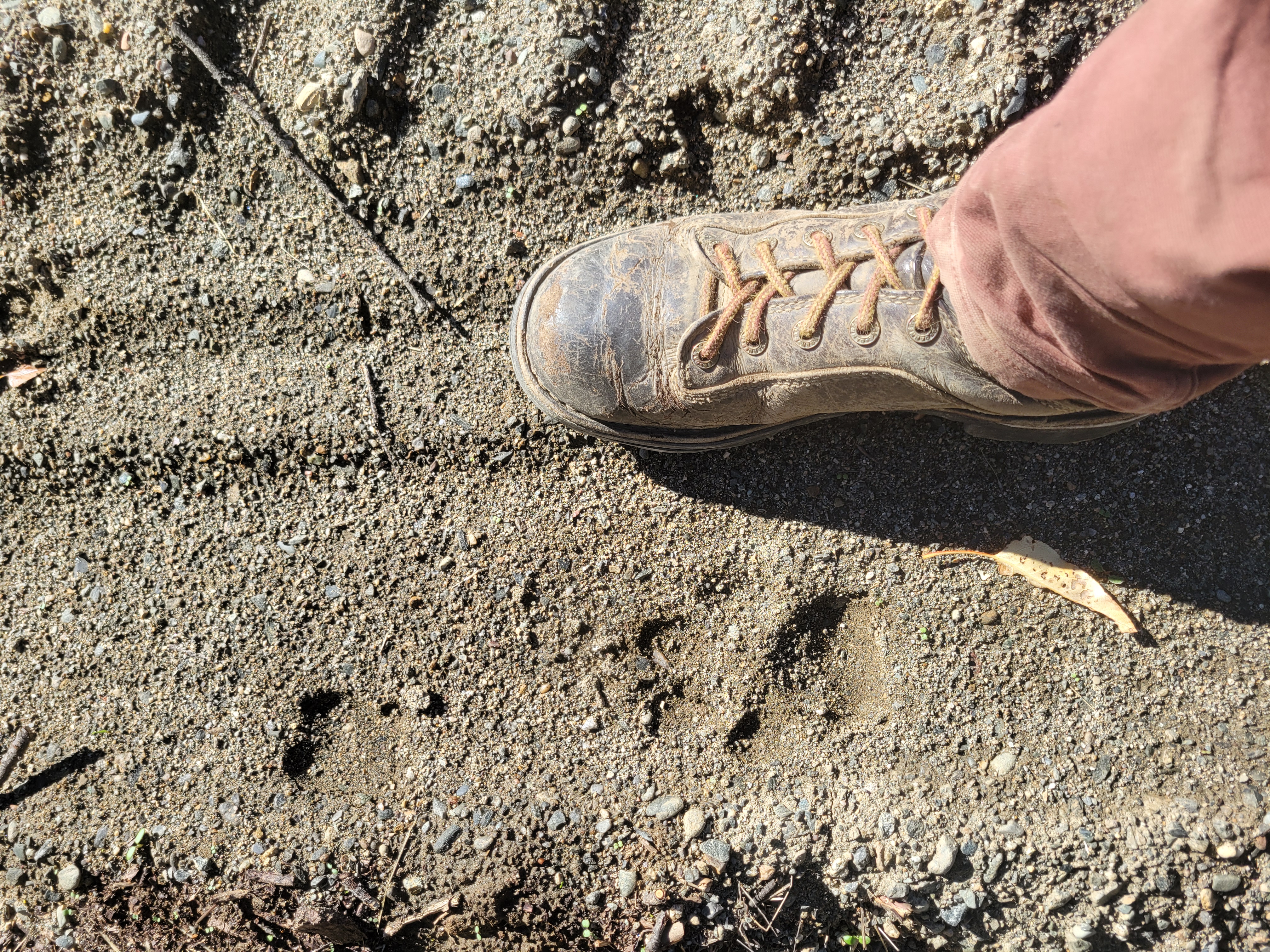
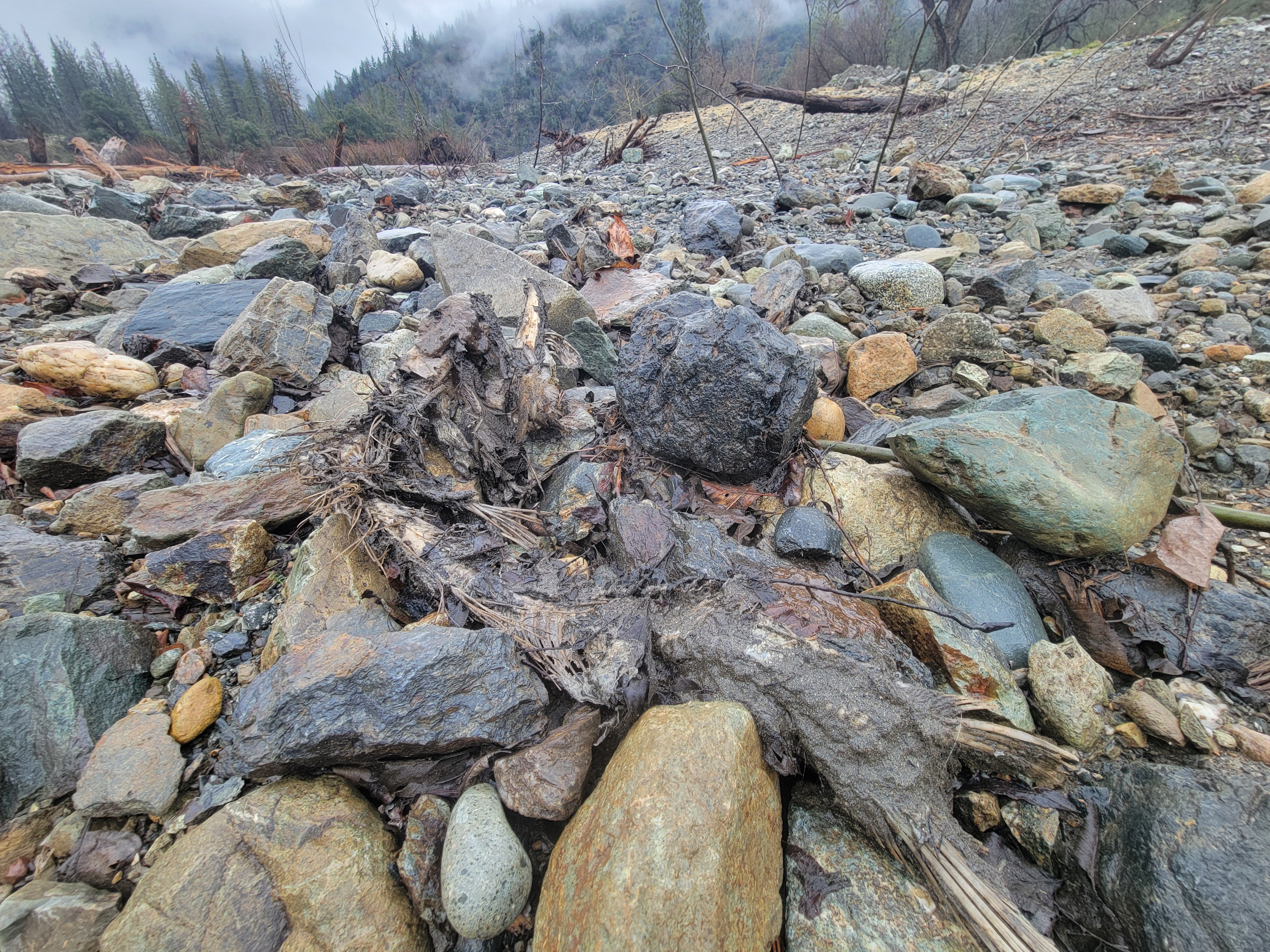
Gray fox activity increased the following spring, including a mother using the site to forage for rodents supported by the new habitat conditions. Although one fox pup later died on-site from what appeared to be disease, the presence of fox highlights their role as early participants in post-disturbance ecosystems.
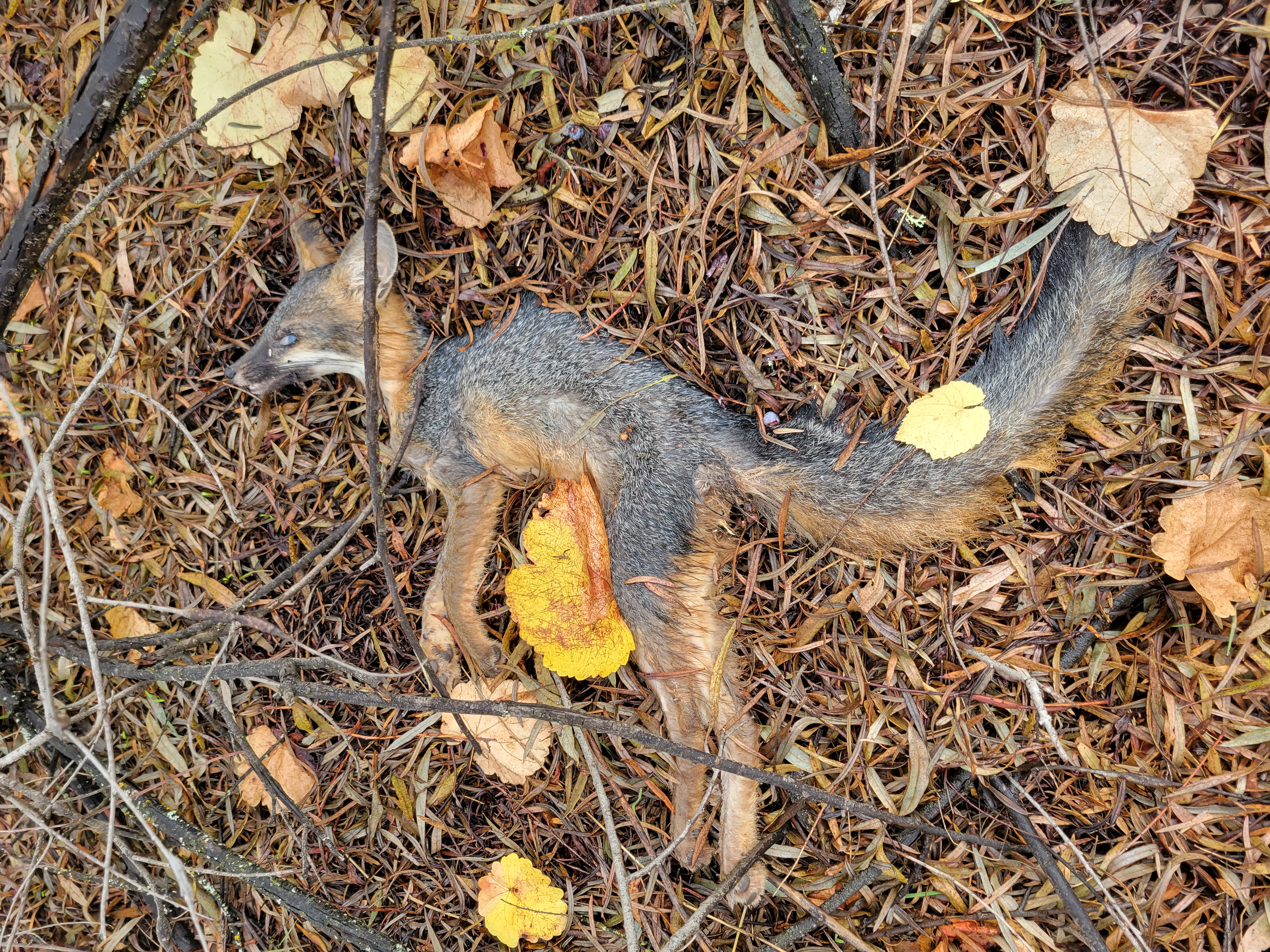
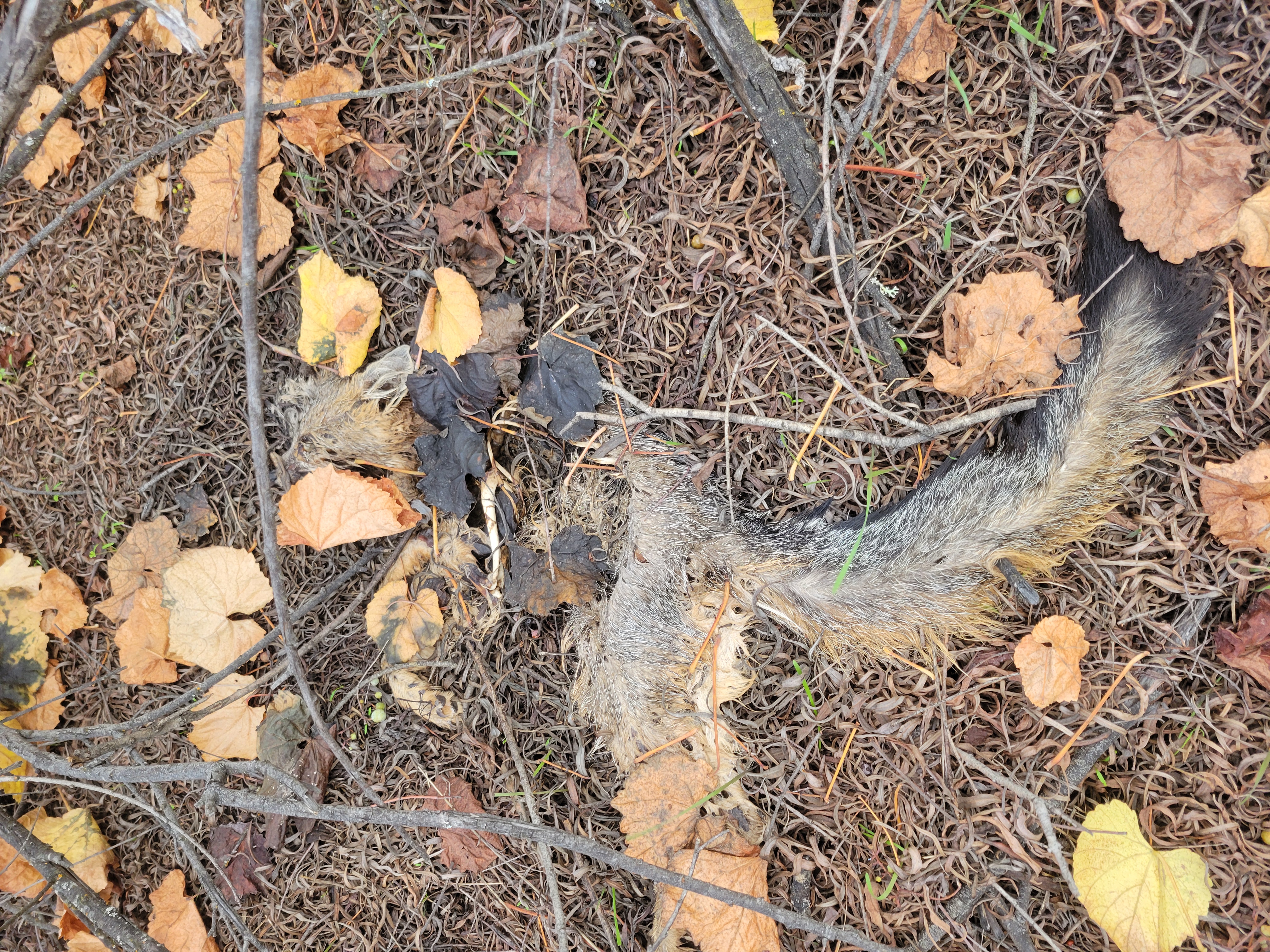
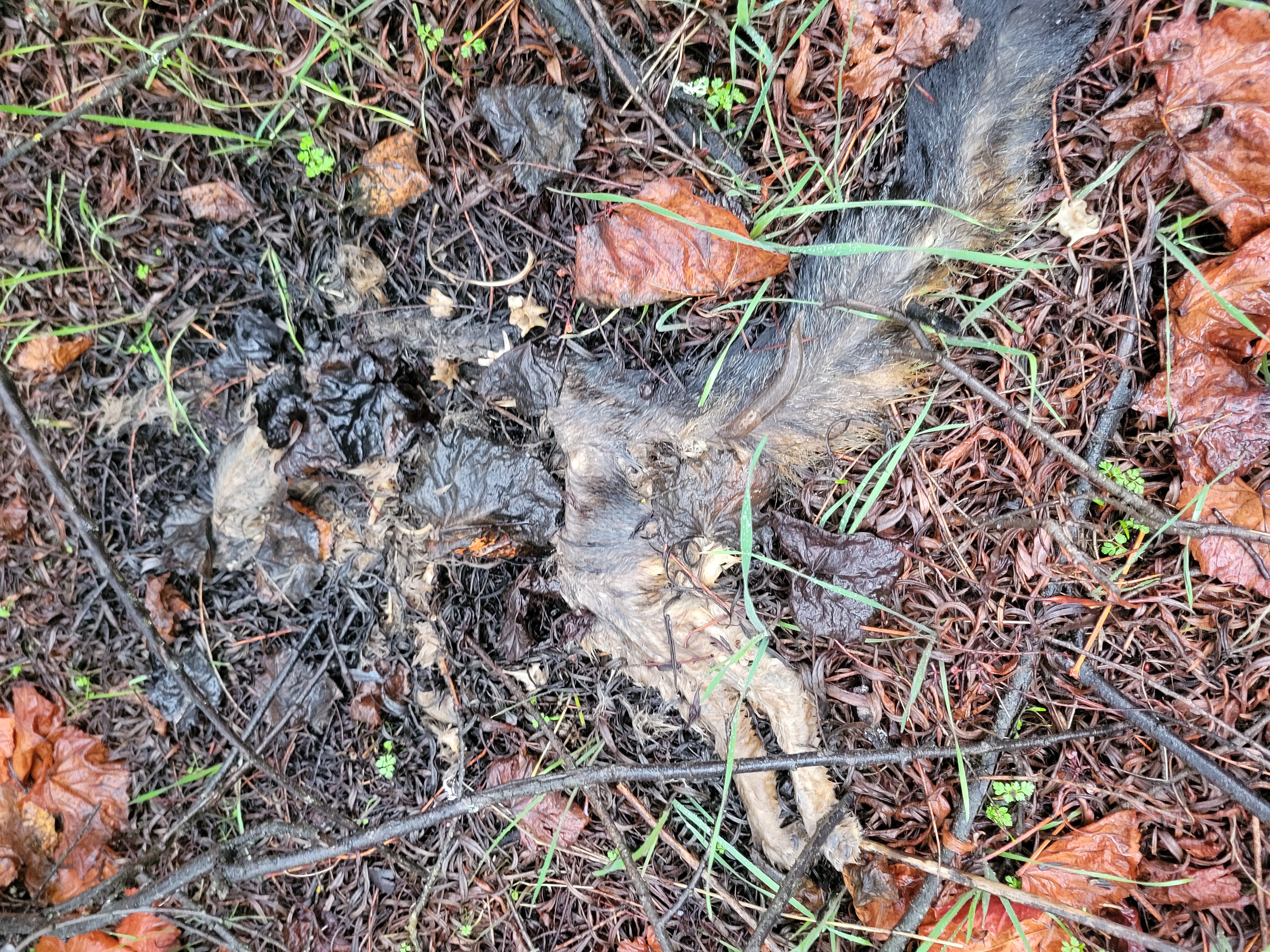
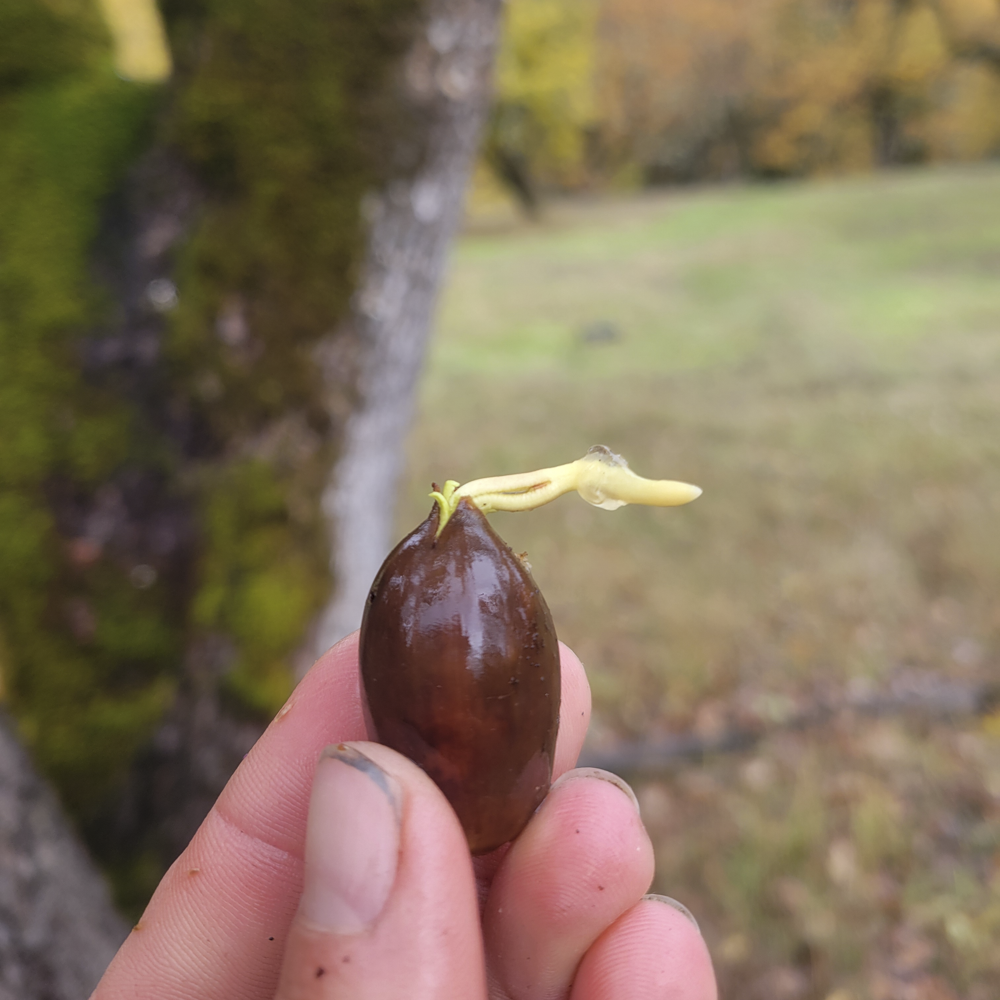
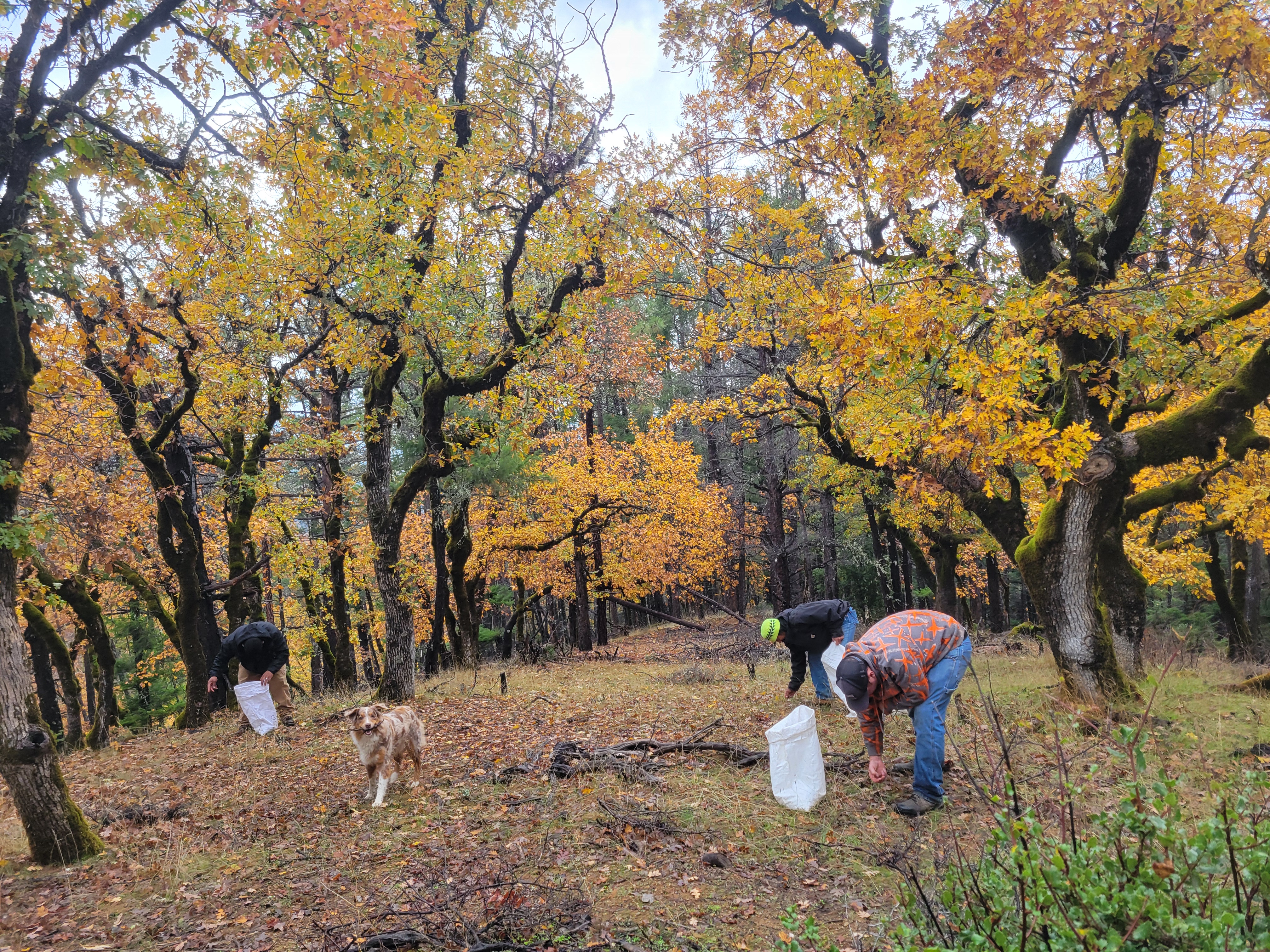
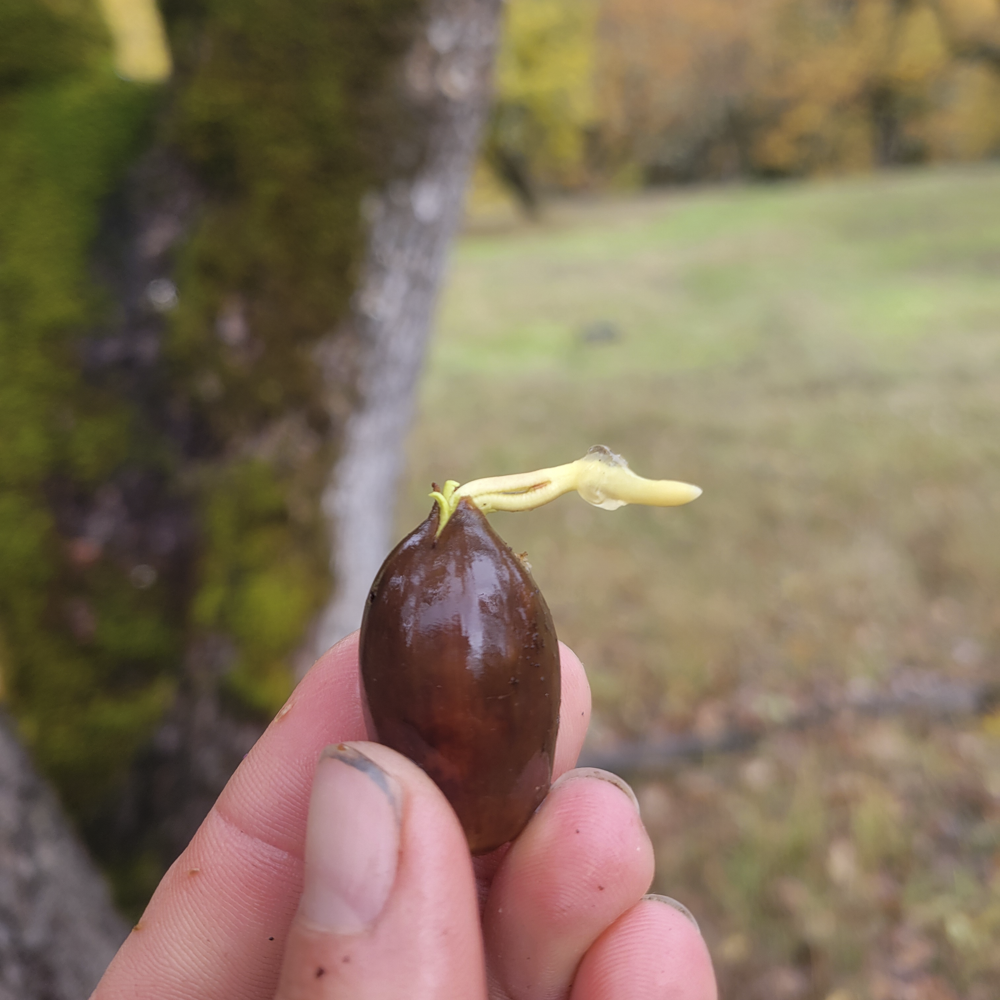
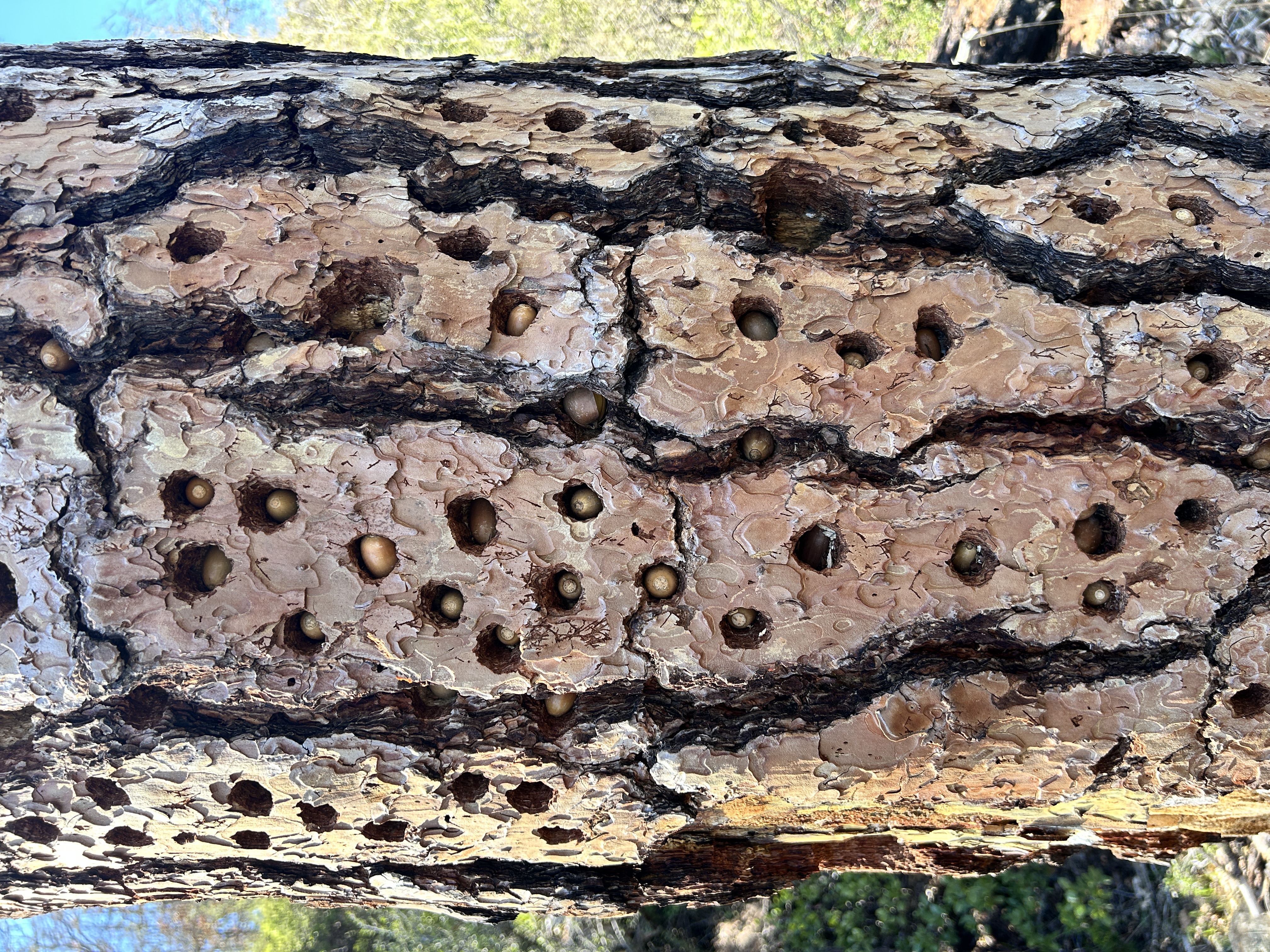
Acorn woodpeckers took advantage of acorns dispersed during revegetation efforts, caching them in nearby upland forests. While it is too early to evaluate long-term oak establishment, this interaction illustrates how wildlife intersects with restoration actions.
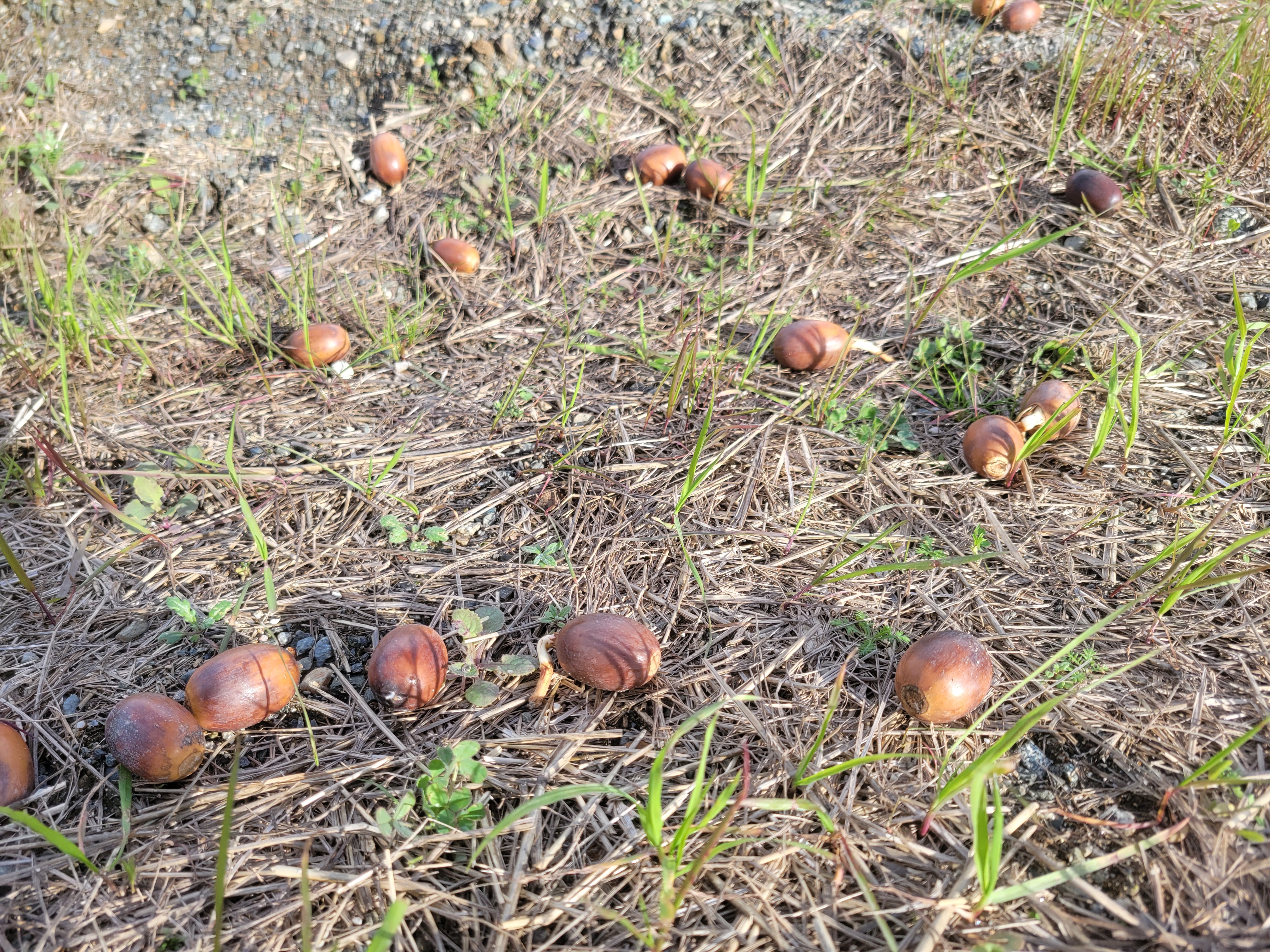
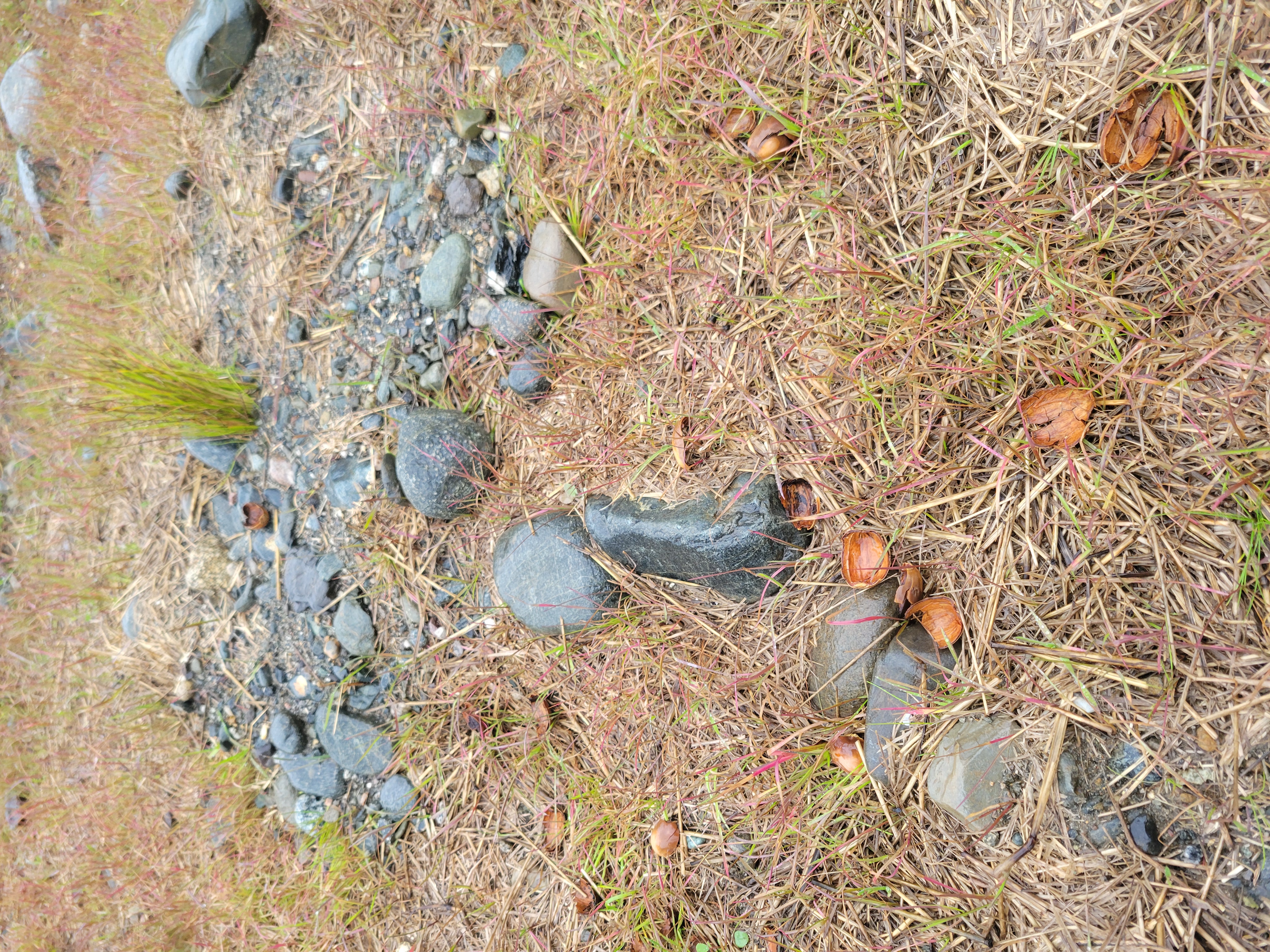
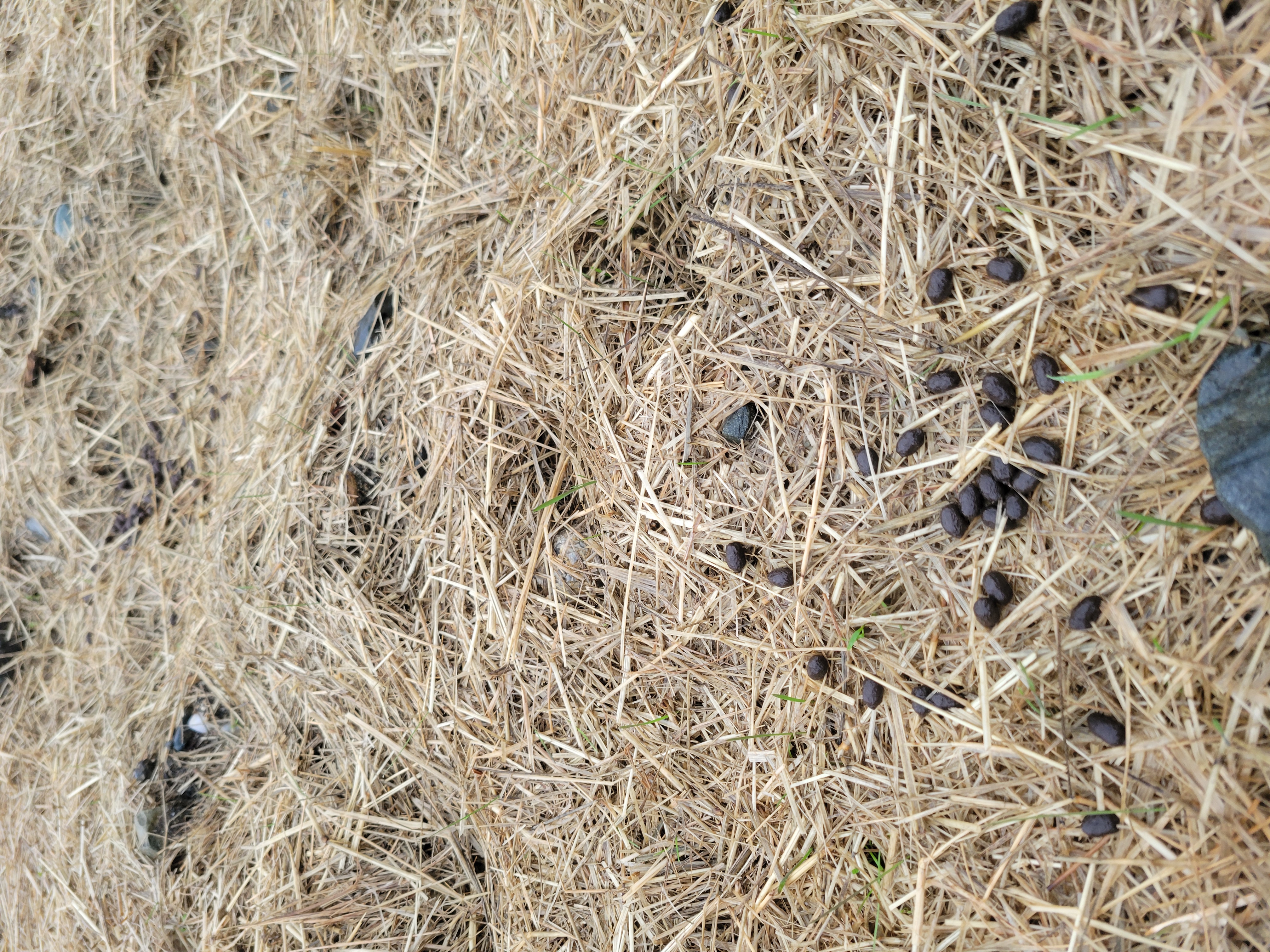
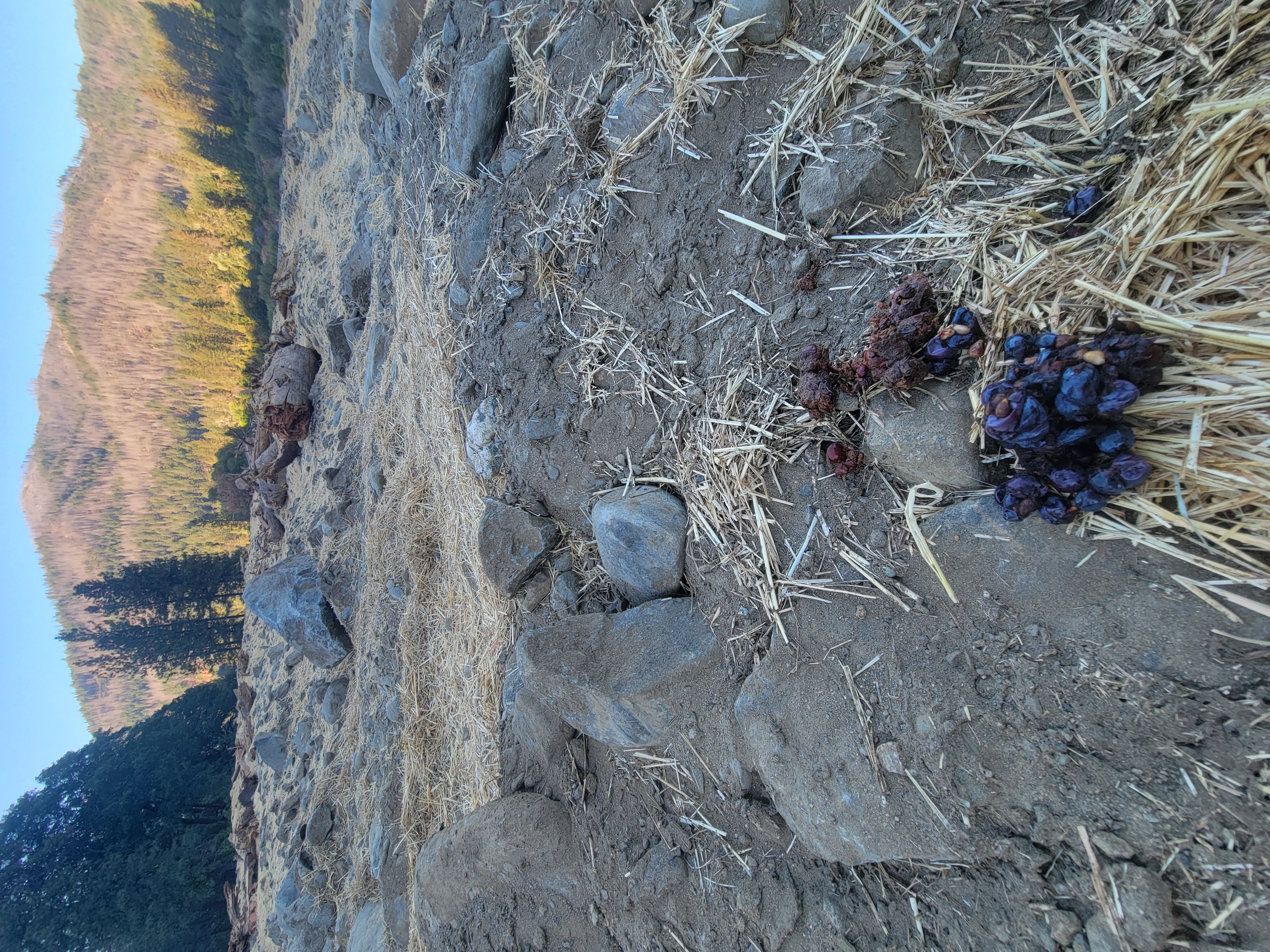
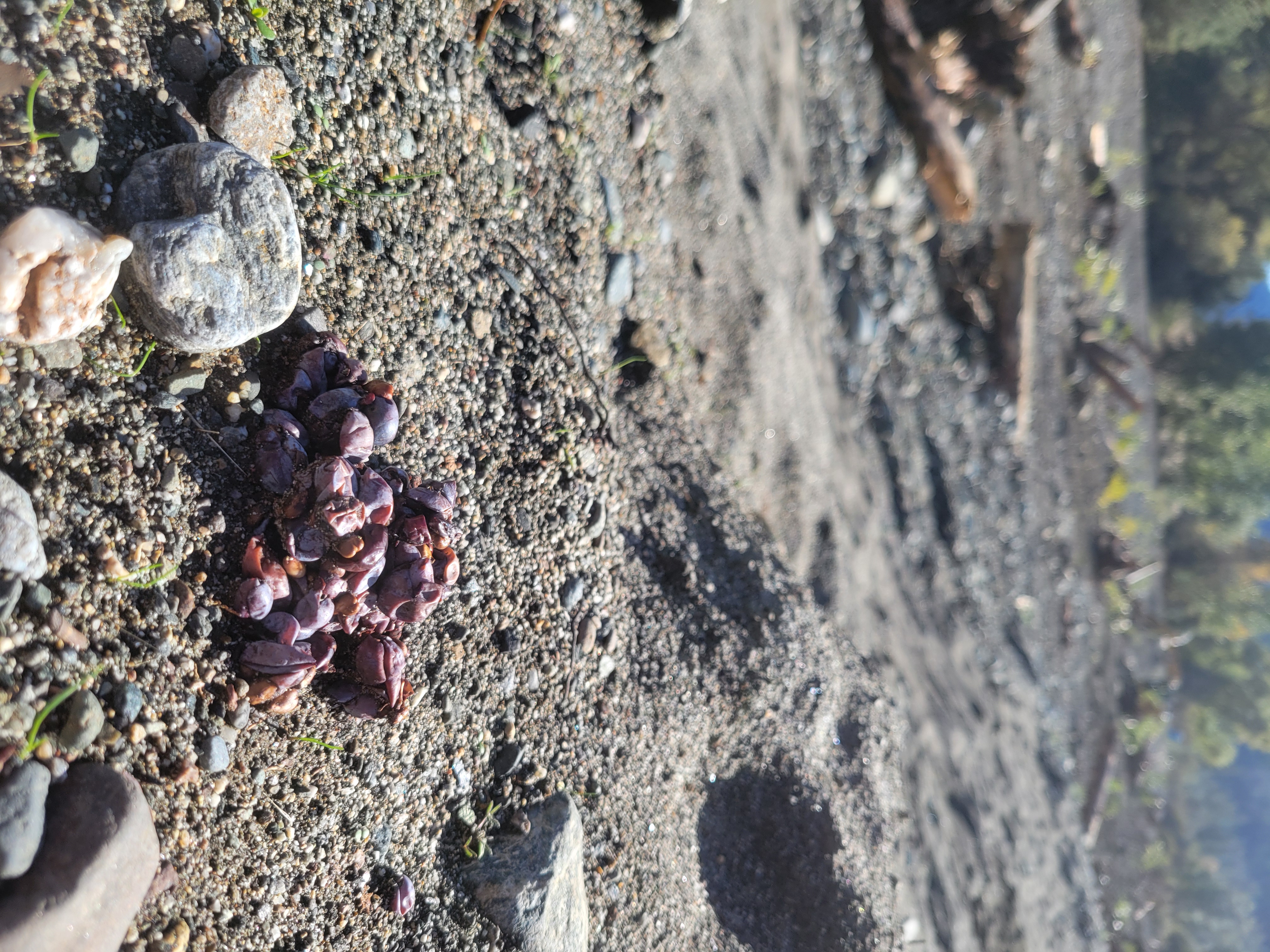
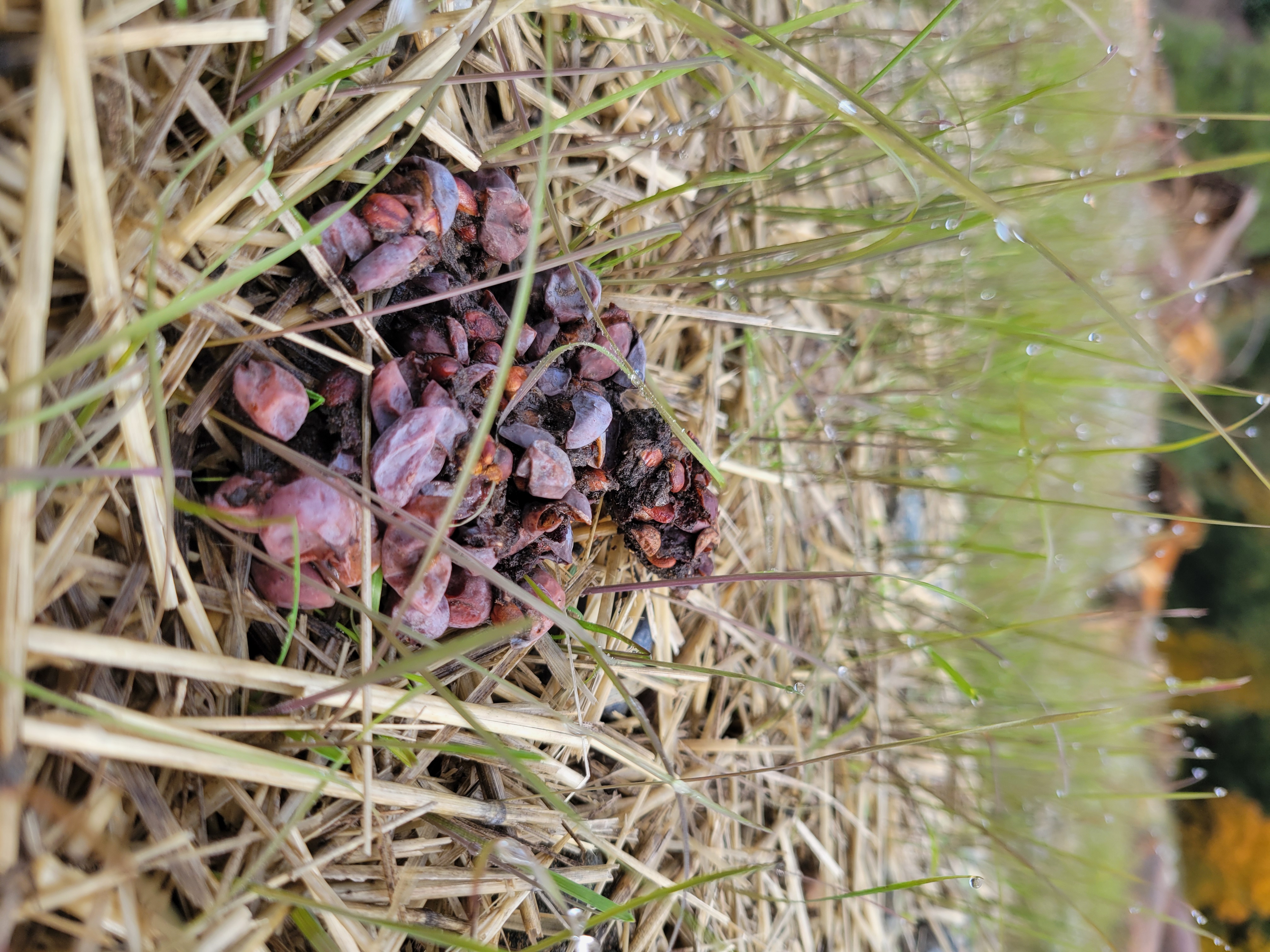
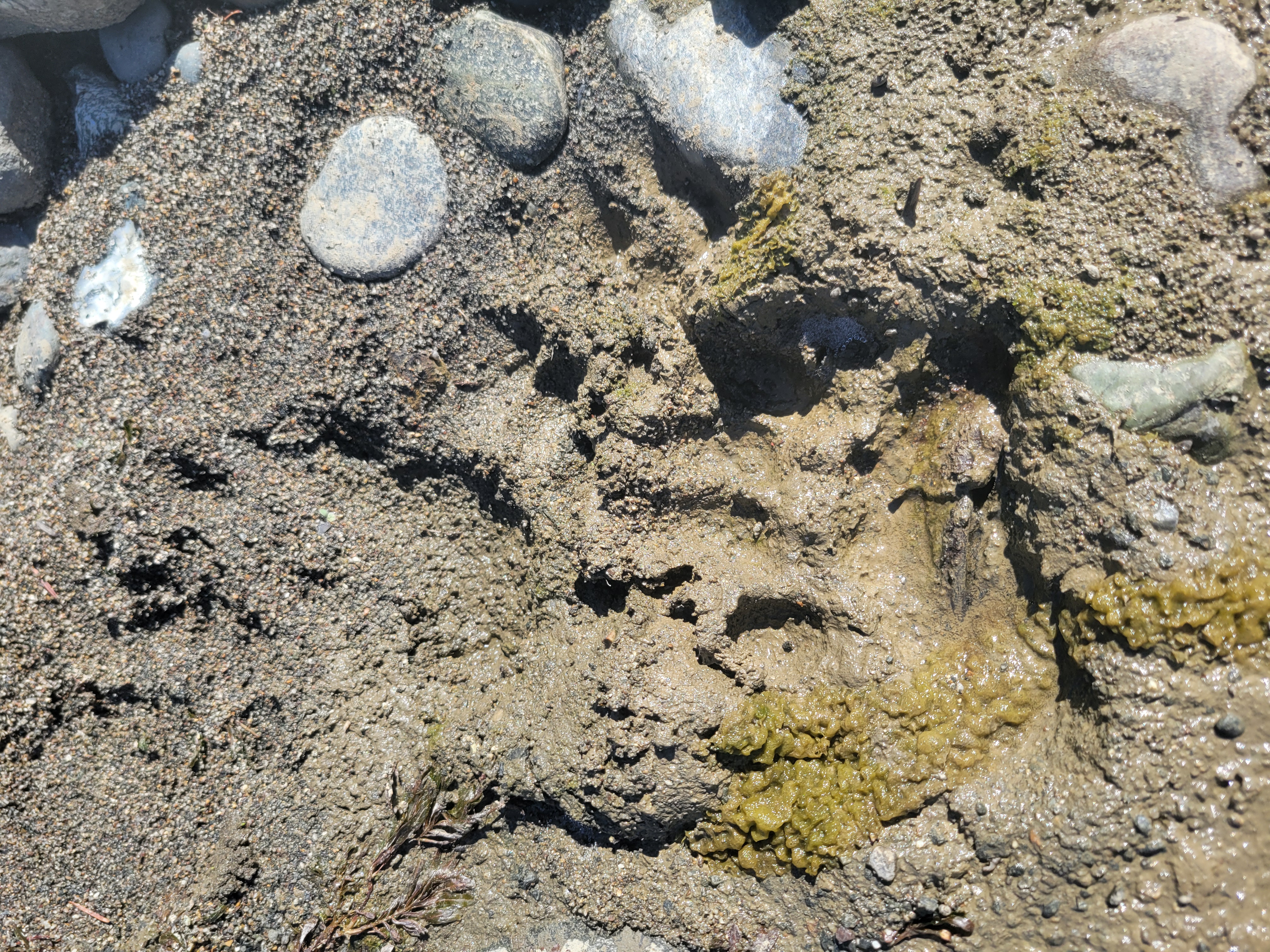
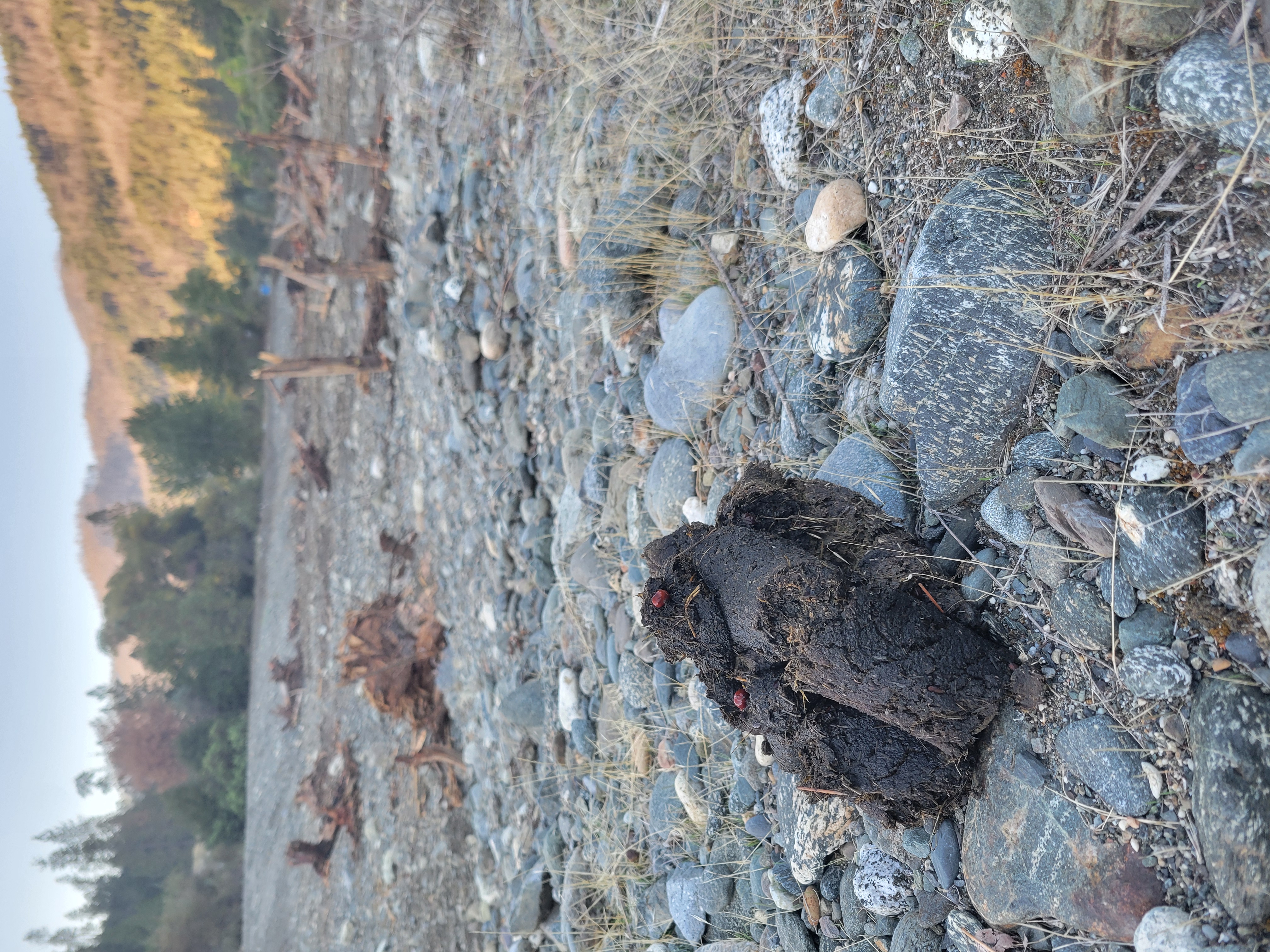
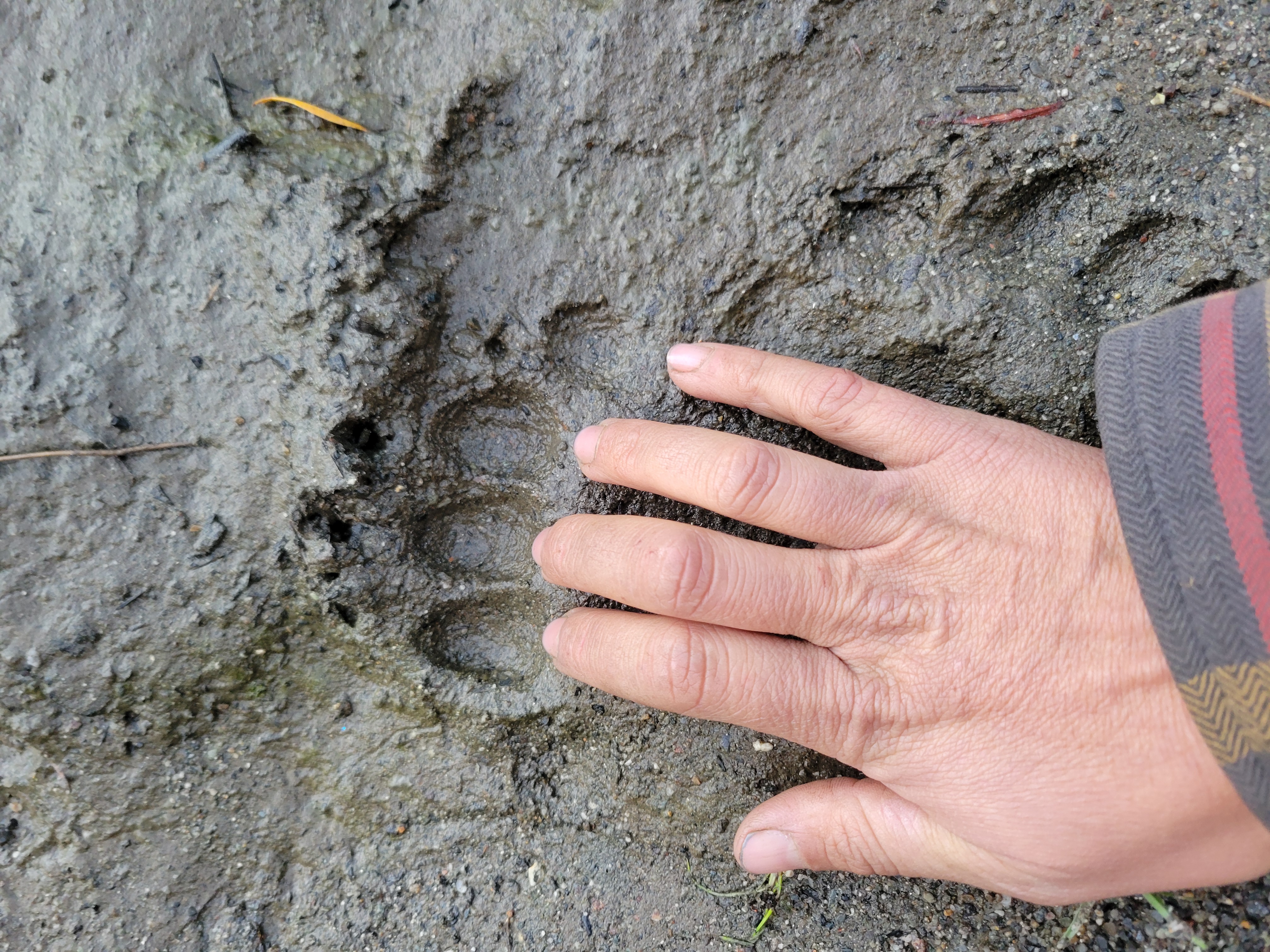
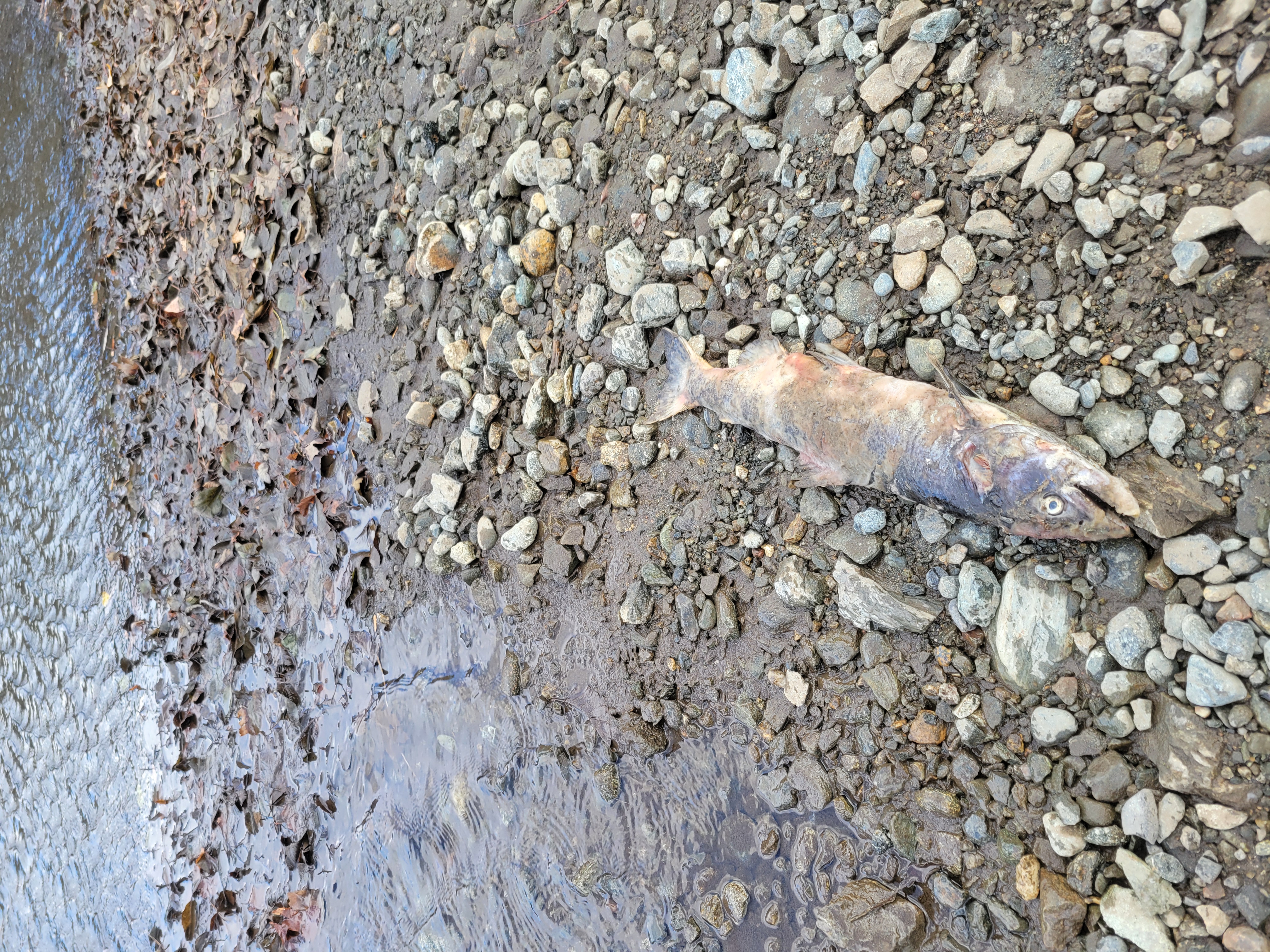
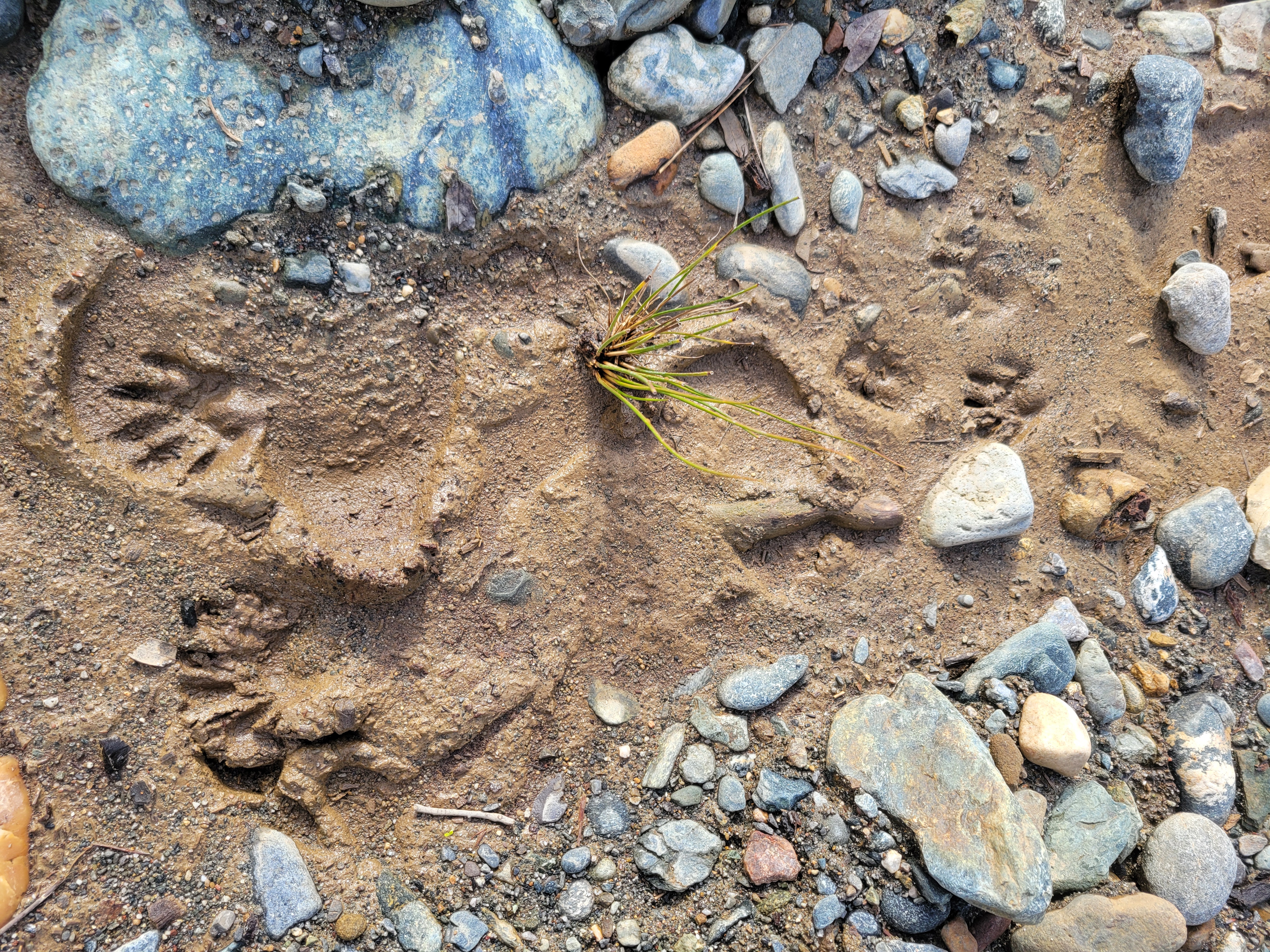
Bears frequently visited the site, leaving tracks and scat near preserved patches of California grape that were intentionally maintained during construction. Bears also contribute to revegetation by dispersing seeds from parent plants elsewhere along the river corridor.
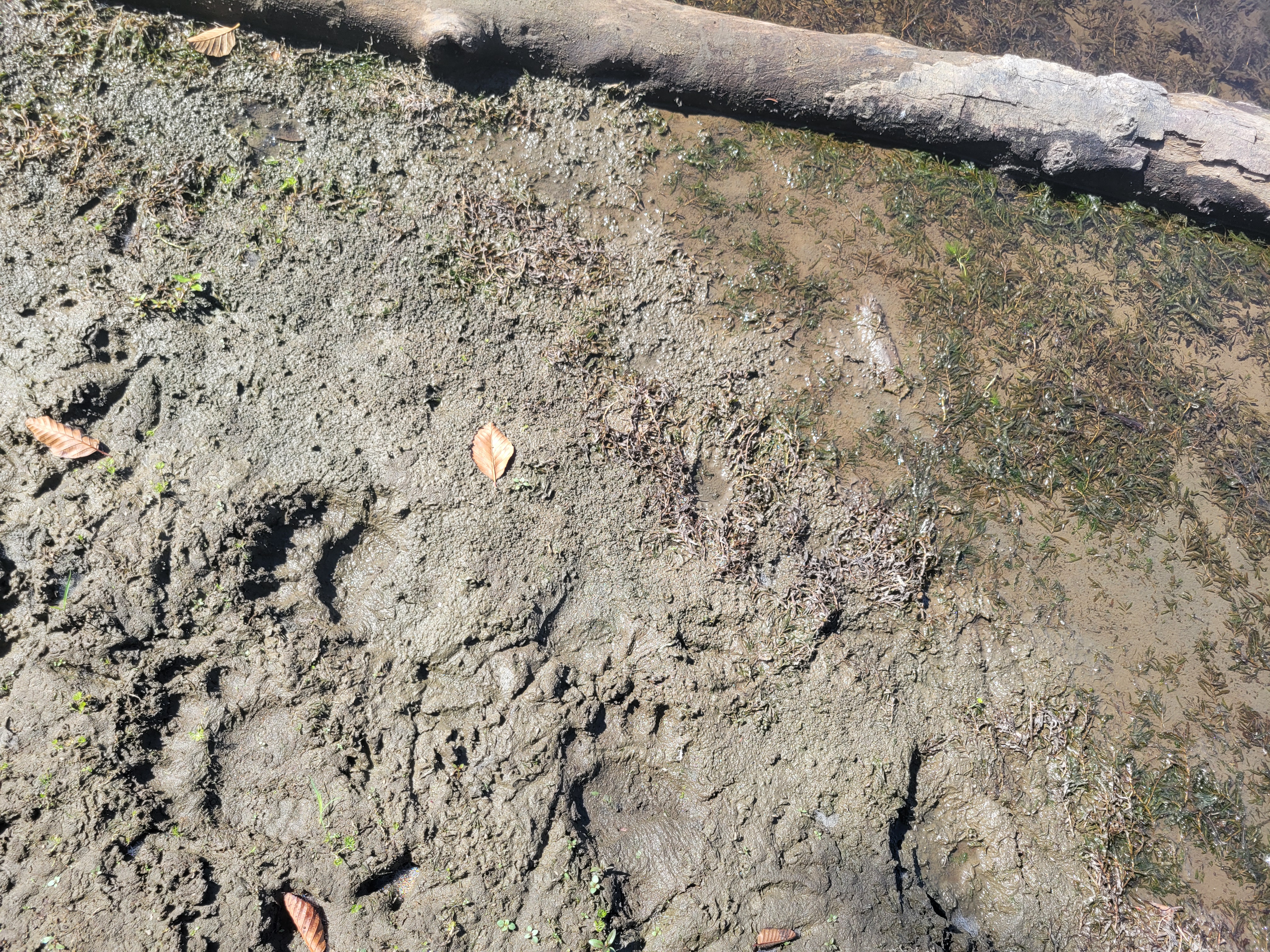
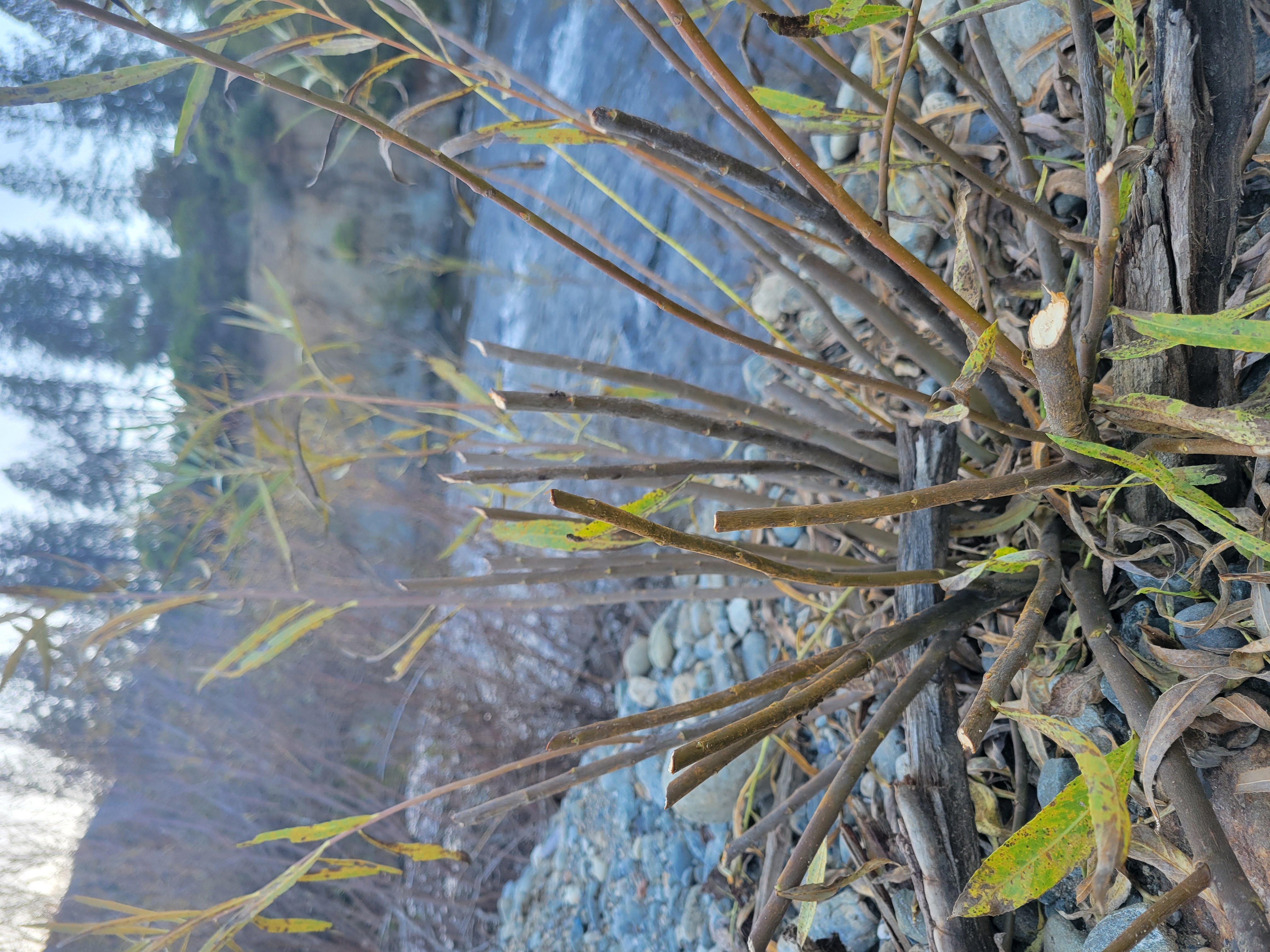
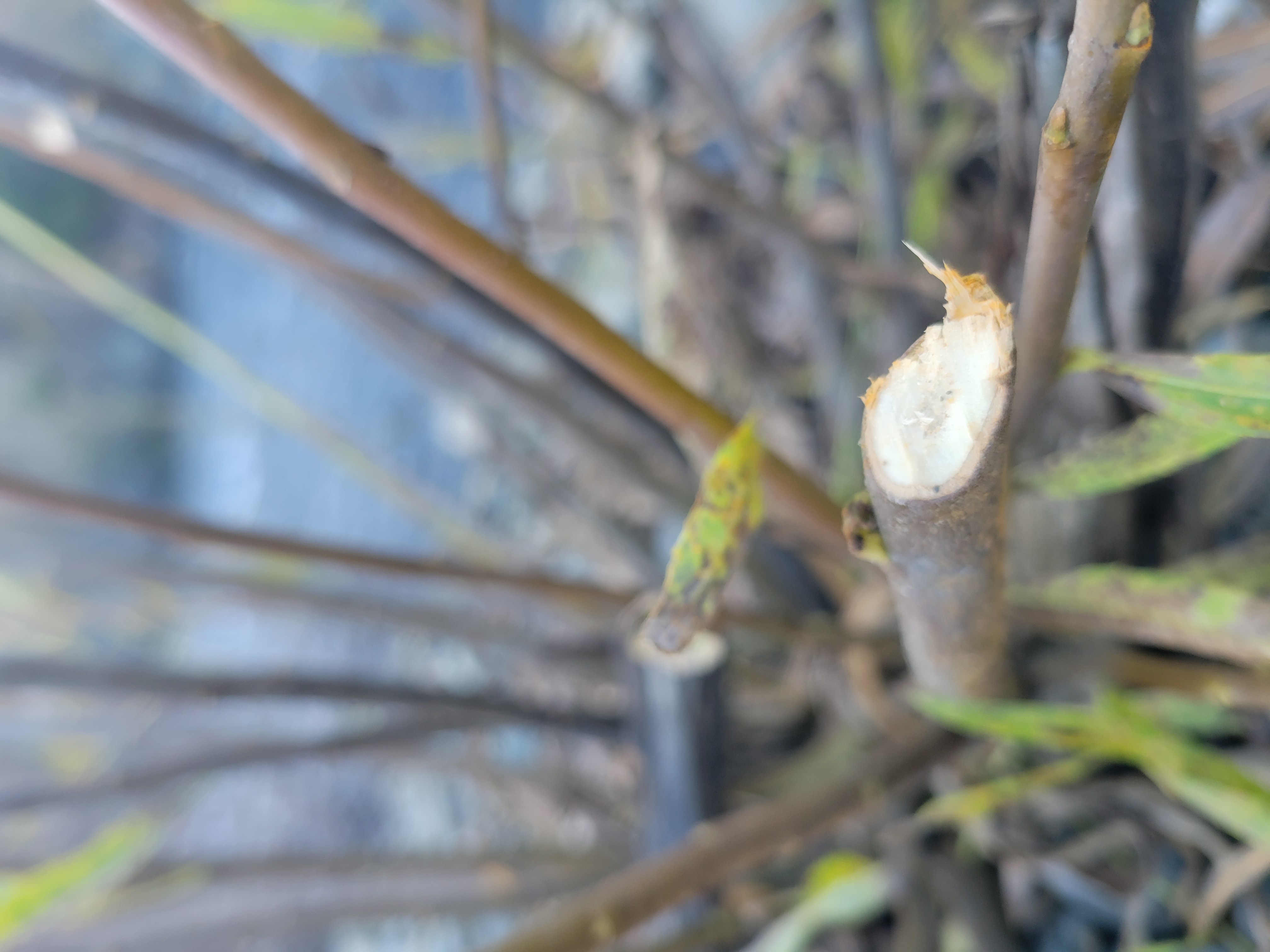
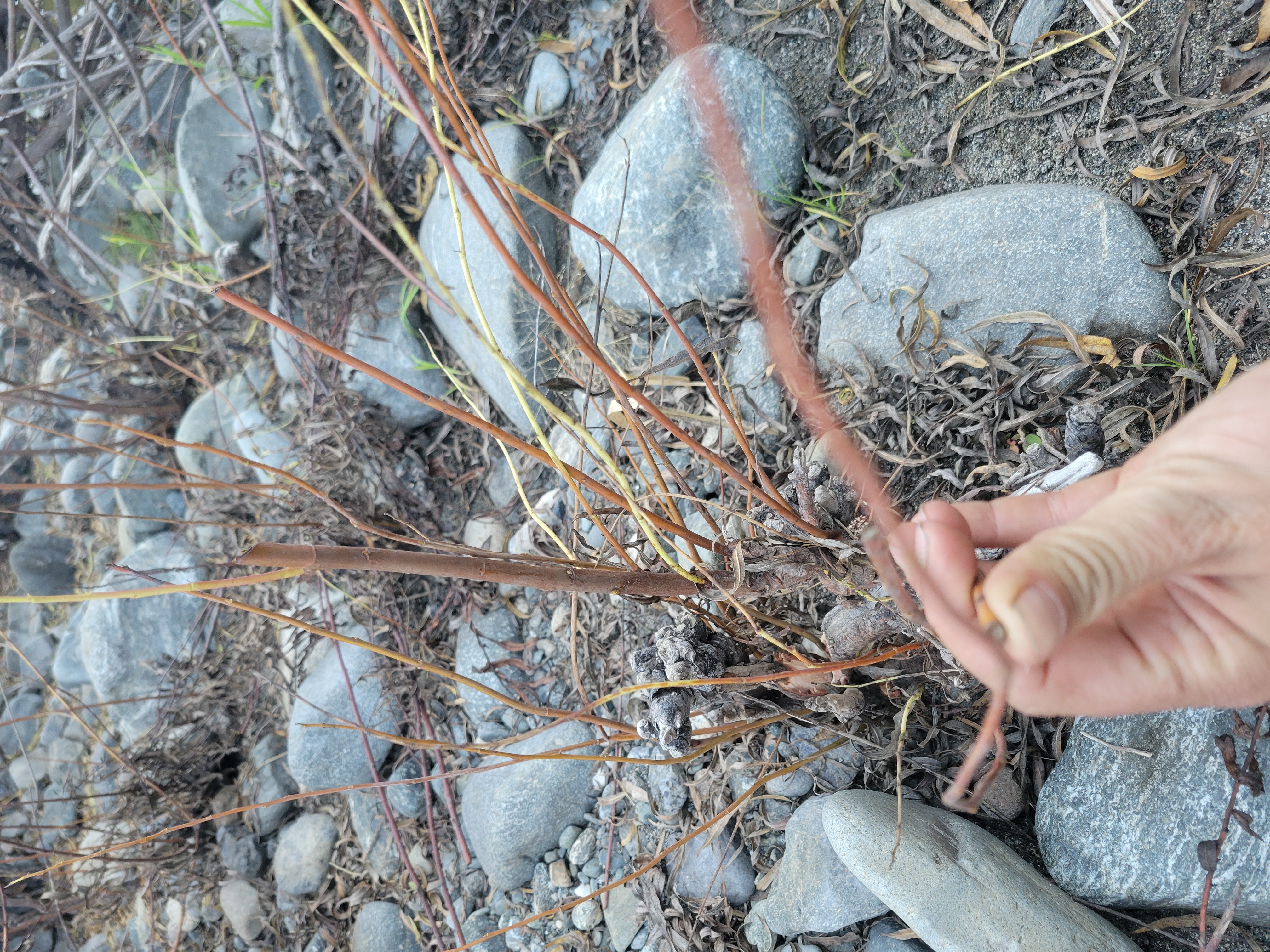
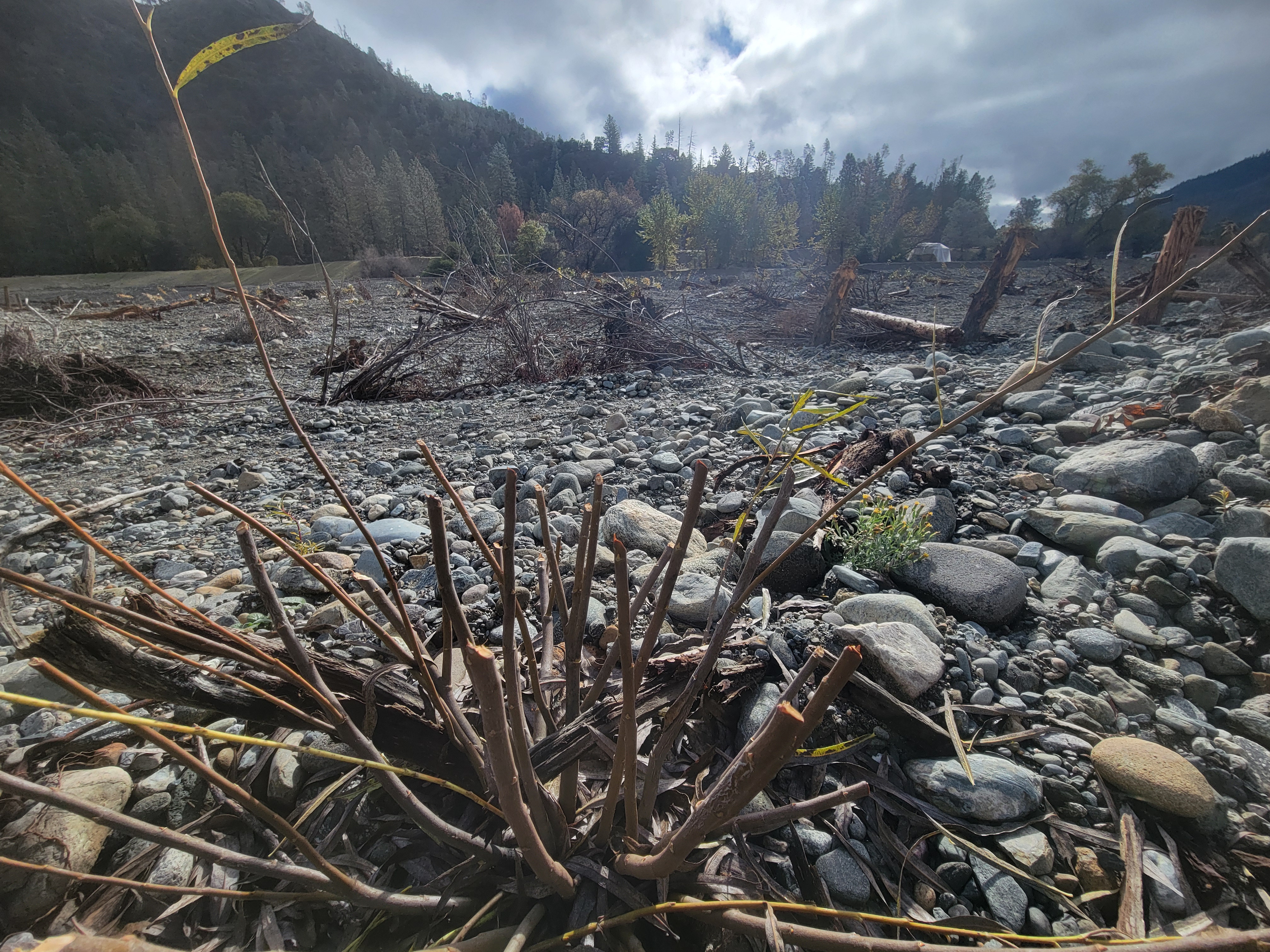
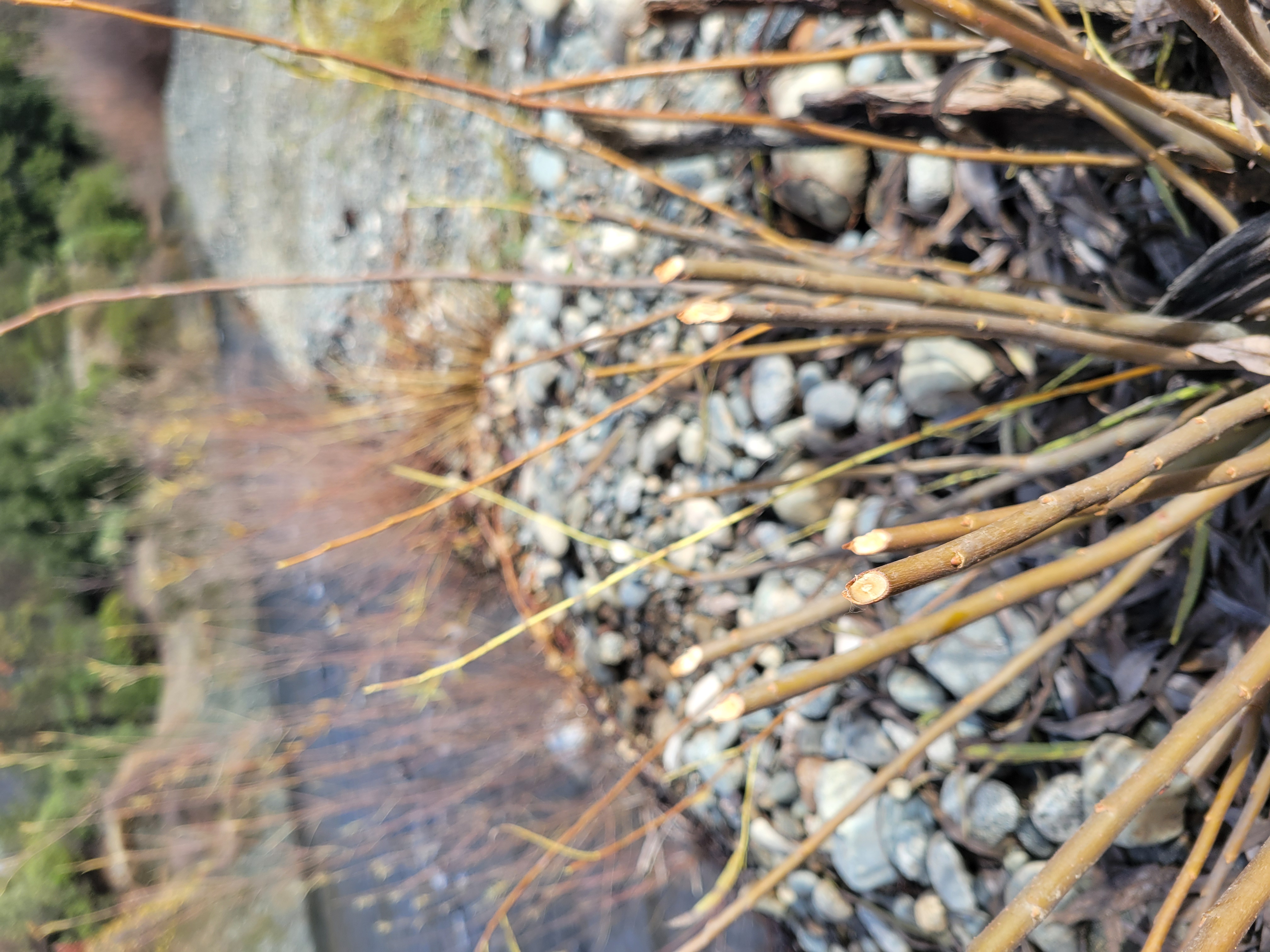
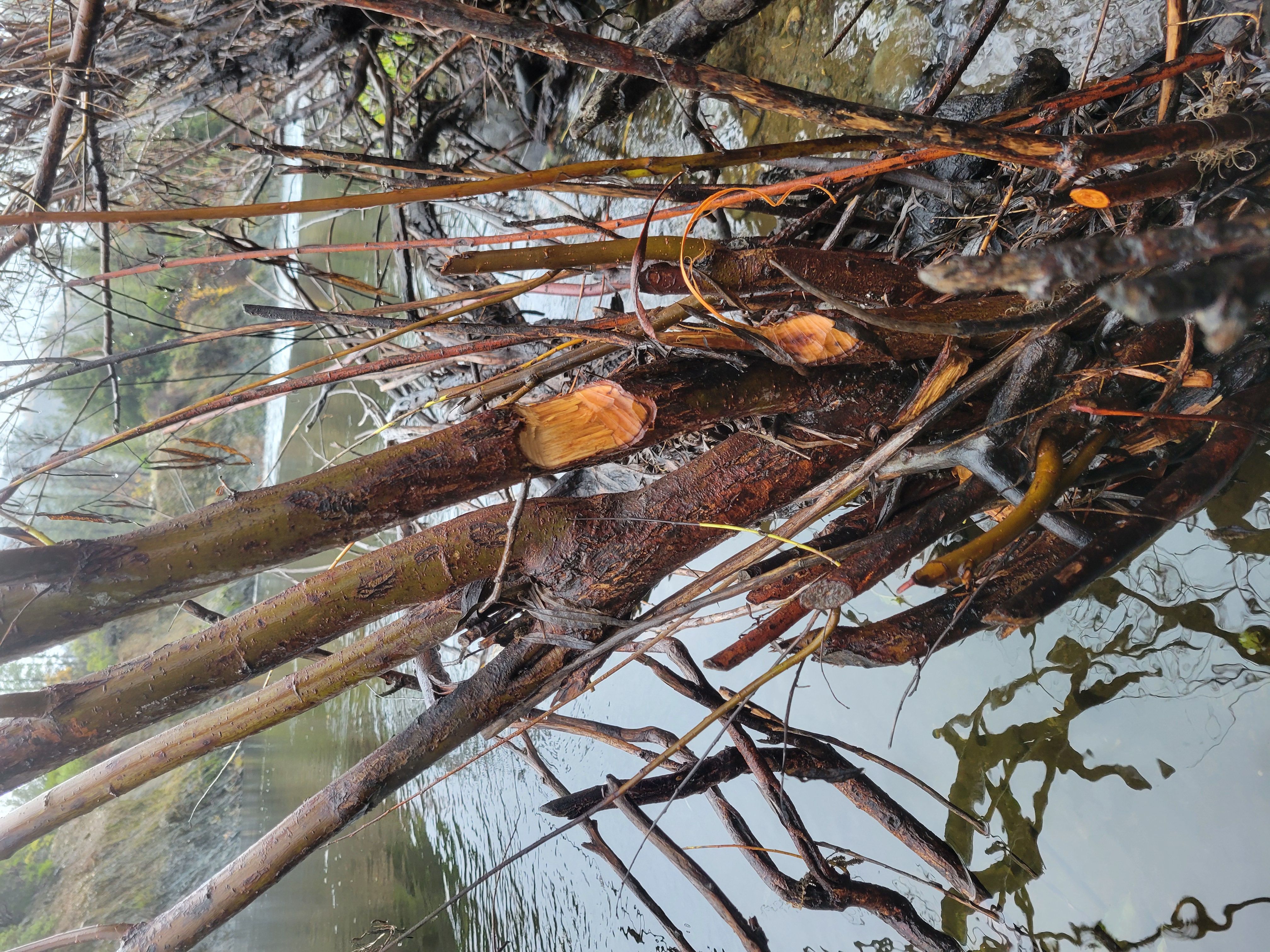
Beaver activity increased as willows became established. Although their role in thinning willow stands is not well documented, beavers strongly influence species composition by selectively cutting cottonwood and ash while leaving certain willow species. Many cut stems resprout vigorously, expanding the footprint of riparian vegetation.
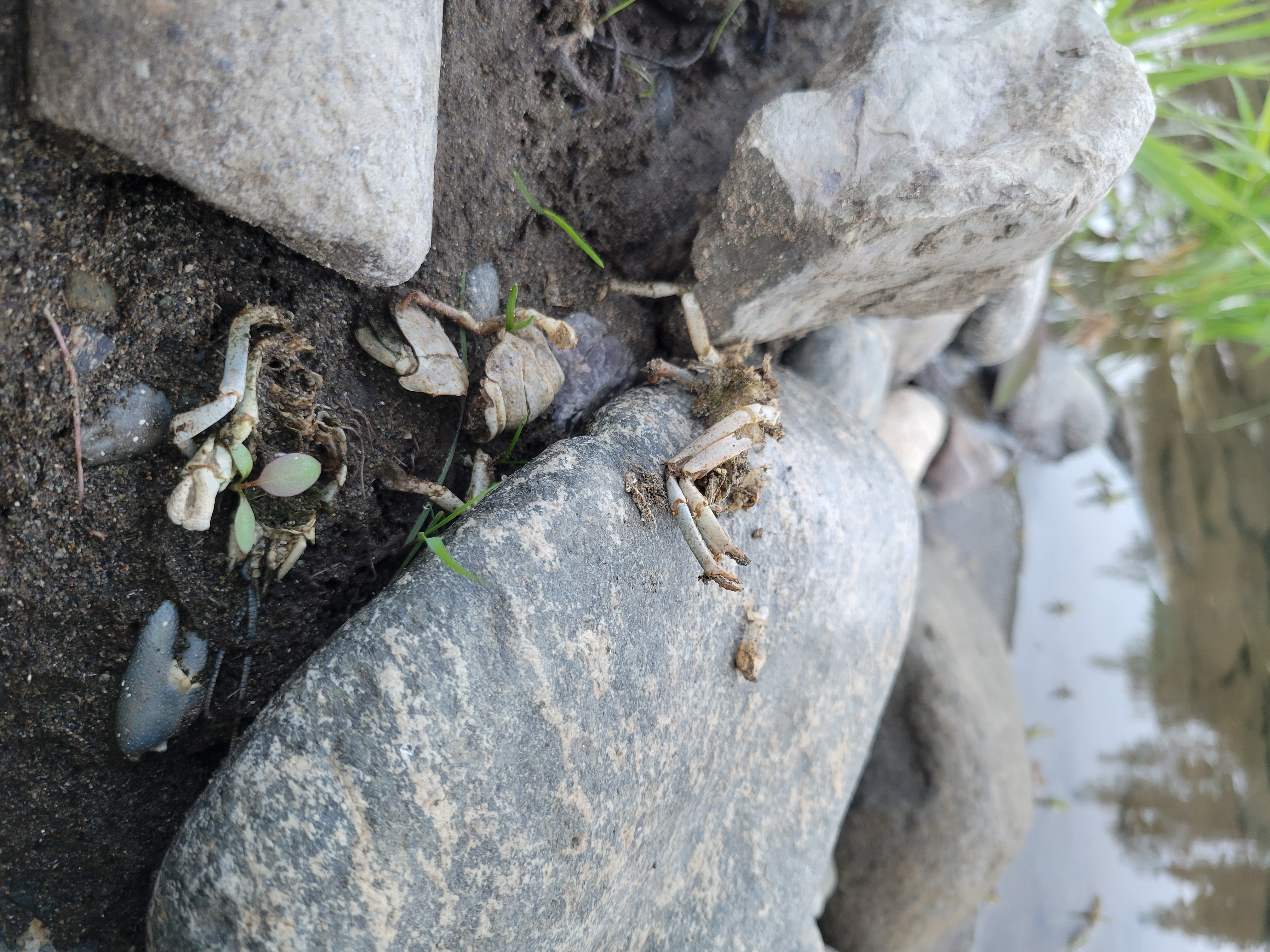
Predators like mink, racoon and river otter leave their mark with tracks and scat on newly deposited sediments and near planted vegetation. Their presence reflects the site’s increasing habitat complexity and improved food availability.
The Disturbance–Succession Loop in Action
The rapid and varied wildlife responses at Upper Connor Creek demonstrate the close link between disturbance and ecological renewal. While mechanical disturbance may seem disruptive during construction, it re-establishes the foundational conditions that riparian vegetation—and the wildlife depending on it—require. In a system constrained by dams, channel rehabilitation functions as a surrogate for natural forces that once shaped the Trinity River.
As the site continues to develop, ongoing observations will help refine how future projects balance engineering and ecology. With each restored floodplain, we gain a clearer understanding of how planned disturbance supports a dynamic and resilient river ecosystem.
Unless otherwise noted, all photos were provided by Simone Groves, Riparian Ecologist – Hoopa Valley Tribal Fisheries Department.
Resources
Reice, S.R., Wissmar, R.C. & Naiman, R.J. Disturbance regimes, resilience, and recovery of animal communities and habitats in lotic ecosystems. Environmental Management 14, 647–659 (1990). https://doi.org/10.1007/BF02394715 https://link.springer.com/article/10.1007/BF02394715
McKelvey, Kevin S. 2015. The effects of disturbance and succession on wildlife habitat and animal communities [Chapter 11]. In: Morrison, M. L.; Mathewson, H. A., editors. Wildlife Habitat Conservation: Concepts, Challenges, and Solutions. Baltimore, MD: Johns Hopkins University Press. p. 143-156. https://research.fs.usda.gov/treesearch/48033
Timothy J. Beechie, David A. Sear, Julian D. Olden, George R. Pess, John M. Buffington, Hamish Moir, Philip Roni, Michael M. Pollock, Process-based Principles for Restoring River Ecosystems, BioScience, Volume 60, Issue 3, March 2010, Pages 209–222, https://doi.org/10.1525/bio.2010.60.3.7
Hillhouse, Grady. “Why Rivers Move.” Practical Engineering: Why Rivers Move, YouTube, 7 Mar. 2023, www.youtube.com/watch?v=UBivwxBgdPQ
Hobbs, N. T., and R. A. Spowart. “Effects of Prescribed Fire on Nutrition of Mountain Sheep and Mule Deer during Winter and Spring.” The Journal of Wildlife Management, vol. 48, no. 2, 1984, pp. 551–60. JSTOR, https://doi.org/10.2307/3801188. Accessed 11 Feb. 2026. https://www.jstor.org/stable/3801188
Steinel A, Parrish CR, Bloom ME, Truyen U. Parvovirus infections in wild carnivores. J Wildl Dis. 2001 Jul;37(3):594-607. doi: 10.7589/0090-3558-37.3.594. PMID: 11504234. https://jwd.kglmeridian.com/view/journals/jwdi/37/3/article-p594.xml
McNew, Lance & Dahlgren, David & Beck, Jeffrey. (2023). Rangeland Wildlife Ecology & Conservation. 10.1007/978-3-031-34037-6. https://www.researchgate.net/publication/373829269_Rangeland_Wildlife_Ecology_Conservation