Trinity River Plant Spotlight: Water fern

Water fern (Azolla filiculoides)

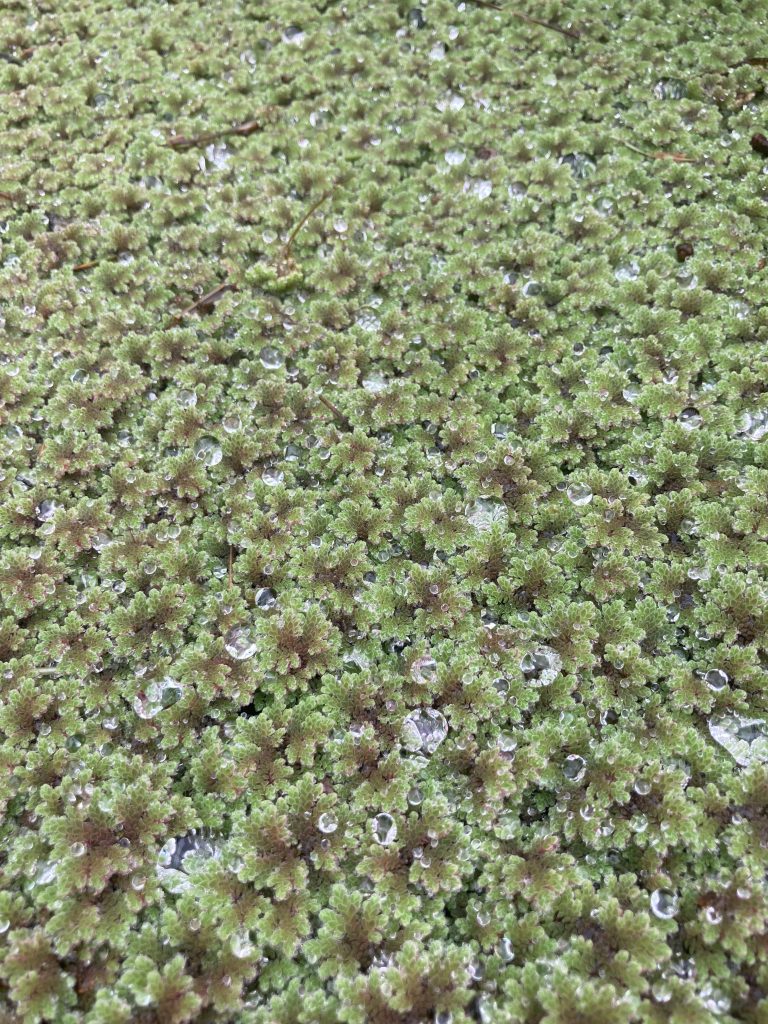
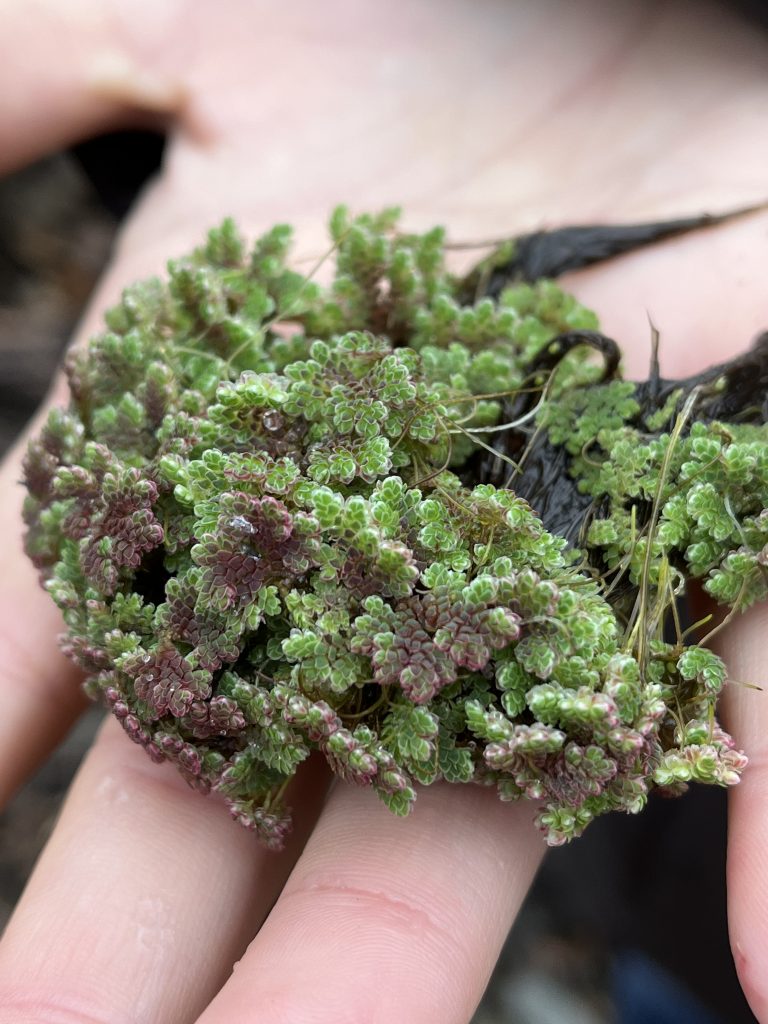
There are various native plant species that cover the surface of stagnant or slow-moving water. One of these species is called water fern (Azolla filiculoides). Not to be confused with algae, Azolla is an aquatic vascular plant with a very shallow root system that grows on the water surface rather than in the water column. True to its name, it is a type of fern. Typically, the plant is bright or dark green, making the water appear to be covered in “pond scum”, but this plant is anything but scum. As a stress reaction, Azolla can turn a deep red-amber color, appearing dead or dormant. Despite the discreet and unassuming nature of this unusual plant, it has some mind-blowing properties, including the ability to purify water and fix nitrogen.
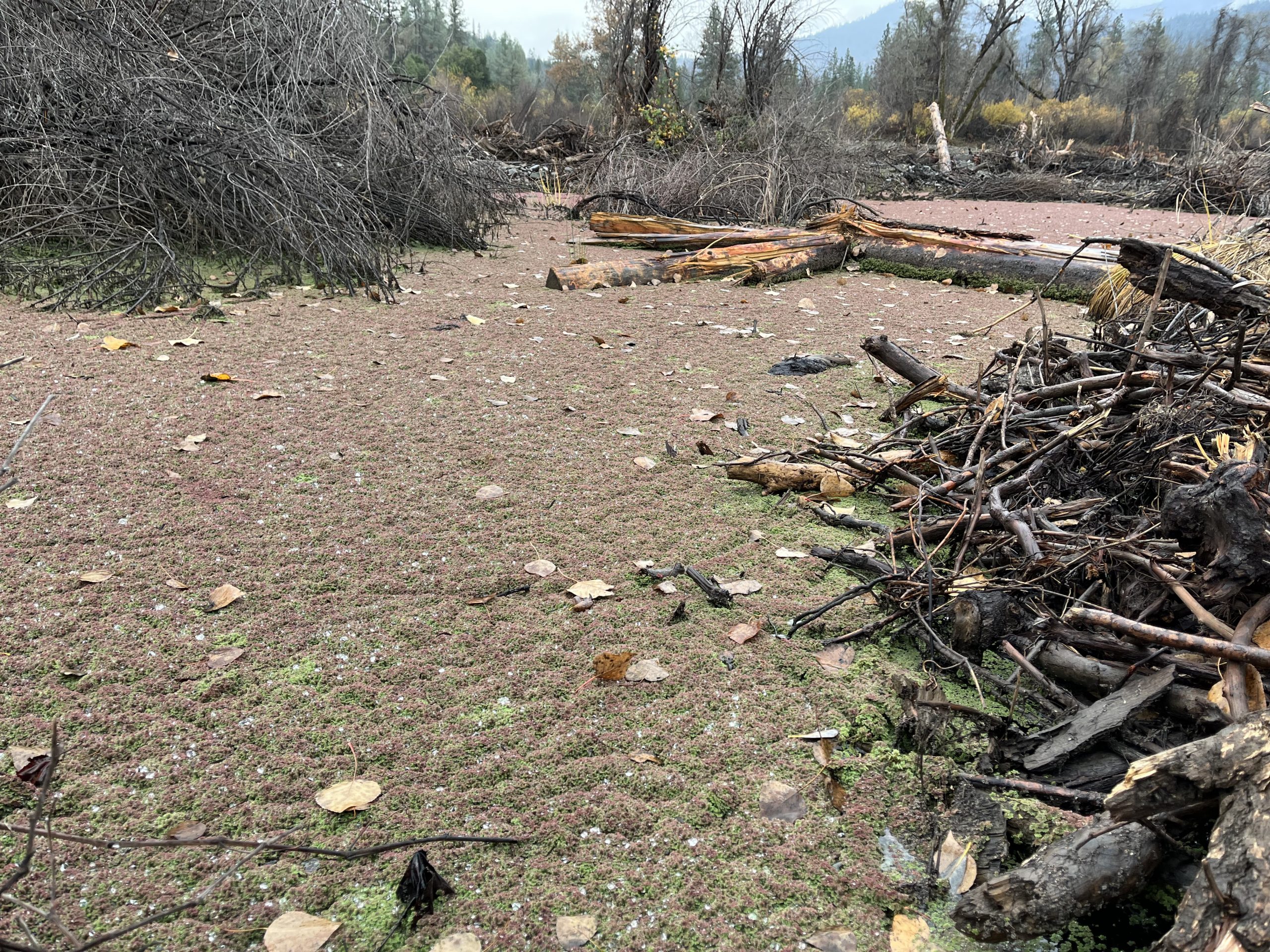
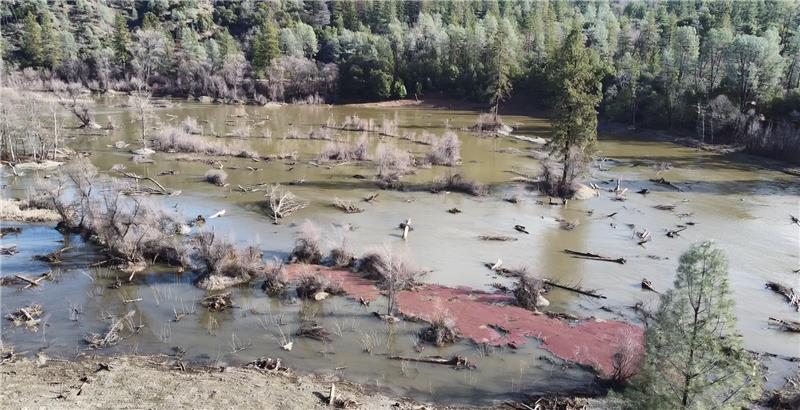
Nitrogen is often a limiting nutrient for primary producers because atmospheric nitrogen (N2) is not readily utilized by plants. As a result, many plants (such as those in the pea family, Fabaceae) have evolved the ability to “fix” nitrogen by converting it to an accessible form of nitrogen (NH4+). Some plants do this with the help of bacterial partners, as is the case with red alder (Alnus rubra) and specific bacteria, which partner to produce root nodules. In return for providing a home, the actinomycetes share some of their usable nitrogen with the red alder. While this activity occurs in the roots of the host plant, excessive nutrients are leaked into the surrounding environment, thus providing bioavailable nitrogen to other plant species and improving soil fertility within the red alder ecosystem. Instead of partnering with a bacteria like red alder does, Azolla has a symbiotic relationship with a cyanobacteria (blue-green algae) species called Anabaena azollae. The Anabaena is housed within the leaves of Azolla, and in return, Azolla receives fixed nitrogen which is ultimately shared with the surrounding environment.
In addition to being able to contribute nutrients to the environment, Azolla has the ability to uptake metals as well as organic and inorganic pollutants from water. This process, known as phytoremediation, can take place via 4 different mechanisms. I’ll exclude the chemistry details here, but the important takeaway is that this little plant can extract toxic pollutants from water. Researchers are investigating the use of this plant in wastewater treatment facilities. There are countless more benefits and potential applications of Azolla to modern human civilization – including the potential to split water molecules and create energy. Azolla is endlessly interesting.

So how does Azolla affect our ecology here along the Trinity River? By covering slower moving bodies of water like ponds and backwater areas, it helps regulate water temperatures and provides habitat for cover-loving species. By the same mechanism, it also decreases habitat for mosquitos. It also serves as a food source for a wide variety of wildlife, from western pond turtles to waterfowl. These properties, combined with the ability to fix nitrogen and remove pollutants from water, make this easily over-looked water fern an important constituent of riparian and aquatic habitats.

Photo

Veronica Yates, Riparian Ecologist

(former) Hoopa Valley Tribal Fisheries Department, Weaverville
Plant Spotlight: California buckeye

California buckeye (Aesculus californica)

California Buckeye

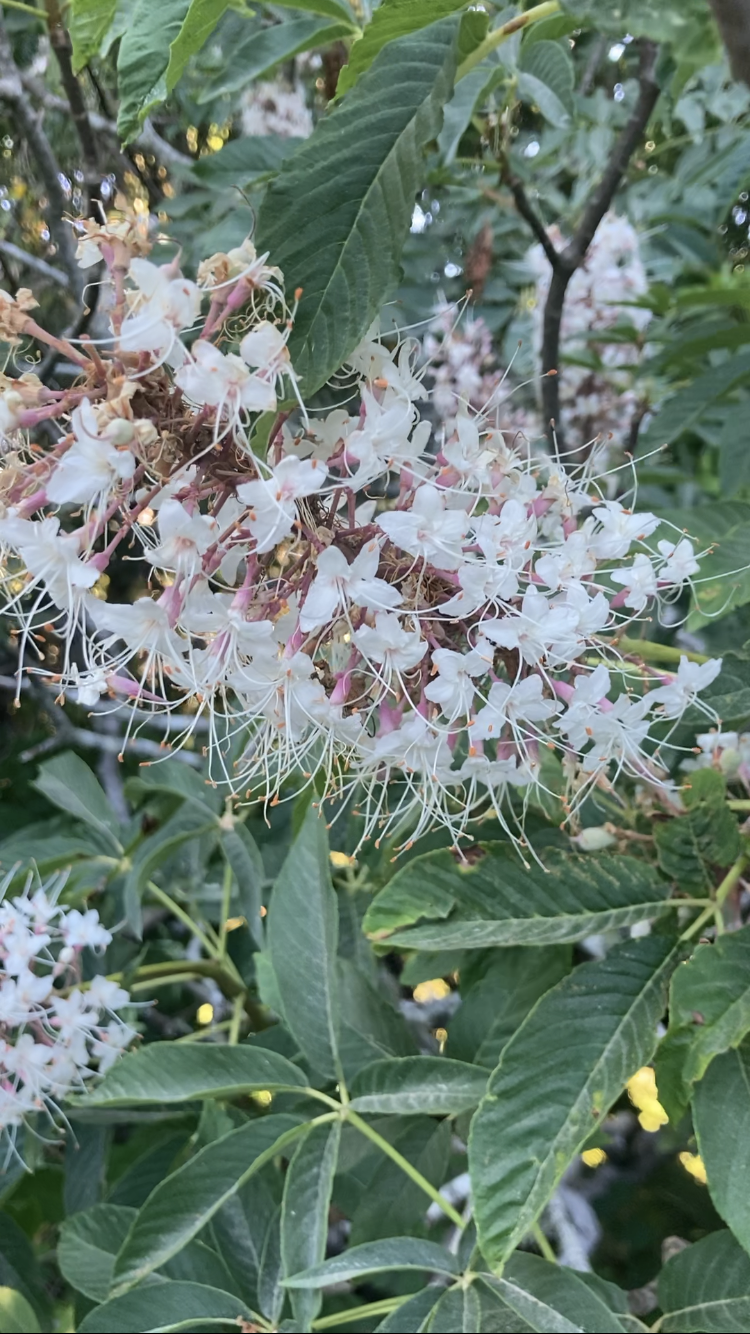
California buckeye (Aesculus californica) is a fast-growing species that grows below 4000 feet in dry slopes, canyons, and stream edges. Various species of buckeye grow throughout the world, but this is the only species that grows in California. Here in Trinity County, it seems to prefer the cooler and wetter parts of the region, mostly growing downriver towards Willow Creek or along moist riverbanks. They are a summer deciduous species and start to lose their leaves as early as July, turning crinkly and yellow and creating a seasonal stand-out display amongst the surrounding green riparian foliage.

Described as either a small tree or a large shrub, California buckeyes usually have multiple, gnarled trunks with smooth grey bark. One of the earliest riparian trees to leaf out in the spring, they ornately decorate the still dormant riparian area with large, dark green, palmately compound leaves. Soon thereafter, impressive clusters of whitish-pink flowers explode from the backdrop of tropical-looking leaves. Each cluster is primarily composed of male flowers, but towards the tip are a few functionally female flowers. This means that though each inflorescence contains several dozen blooms, they only manage to produce 1-2 seeds, which are rather large and somewhat resemble chestnuts (hence one of this plant’s common names, “horse chestnut”).

Buckeye seeds are known for being toxic to non-native bees. This is due to a neurotoxic glycoside called aesculin, which causes hemolysis (rupturing) of red blood cells. This not only affects hive species like honeybees – who take the pollen back to the hive and inadvertently poison their own queen – but it also affects humans and fish, causing symptoms like diarrhea, muscle weakness, lack of coordination and even paralysis. Thanks to coevolution, native bees and pollinators are unaffected by aesculin and savor the sweet nectar and pollen.

Native Americans have a cultivated relationship with buckeye seeds. In the Hupa language, the word for buckeye is la:whe’, and the seeds are believed to be a food of the pre-human immortals (k’ixinay). With significant preparation (including repetitive leaching, boiling, and pounding), the seeds become edible as flour or meal, similarly to acorns.

California buckeyes are drought tolerant, fast growing, and highly effective reproductively, making them extremely well adapted to their environment. To propagate some on your own property, simply take a seed and plant it about 1” deep – it will rapidly develop a large and robust taproot and can grow up to 10” a year, making a lovely landscaping attraction.

Veronica Yates, Riparian Ecologist

(former) Hoopa Valley Tribal Fisheries Department, Weaverville
Plant Spotlight: California hazel

California hazel (Corylus cornuta subsp. californica)

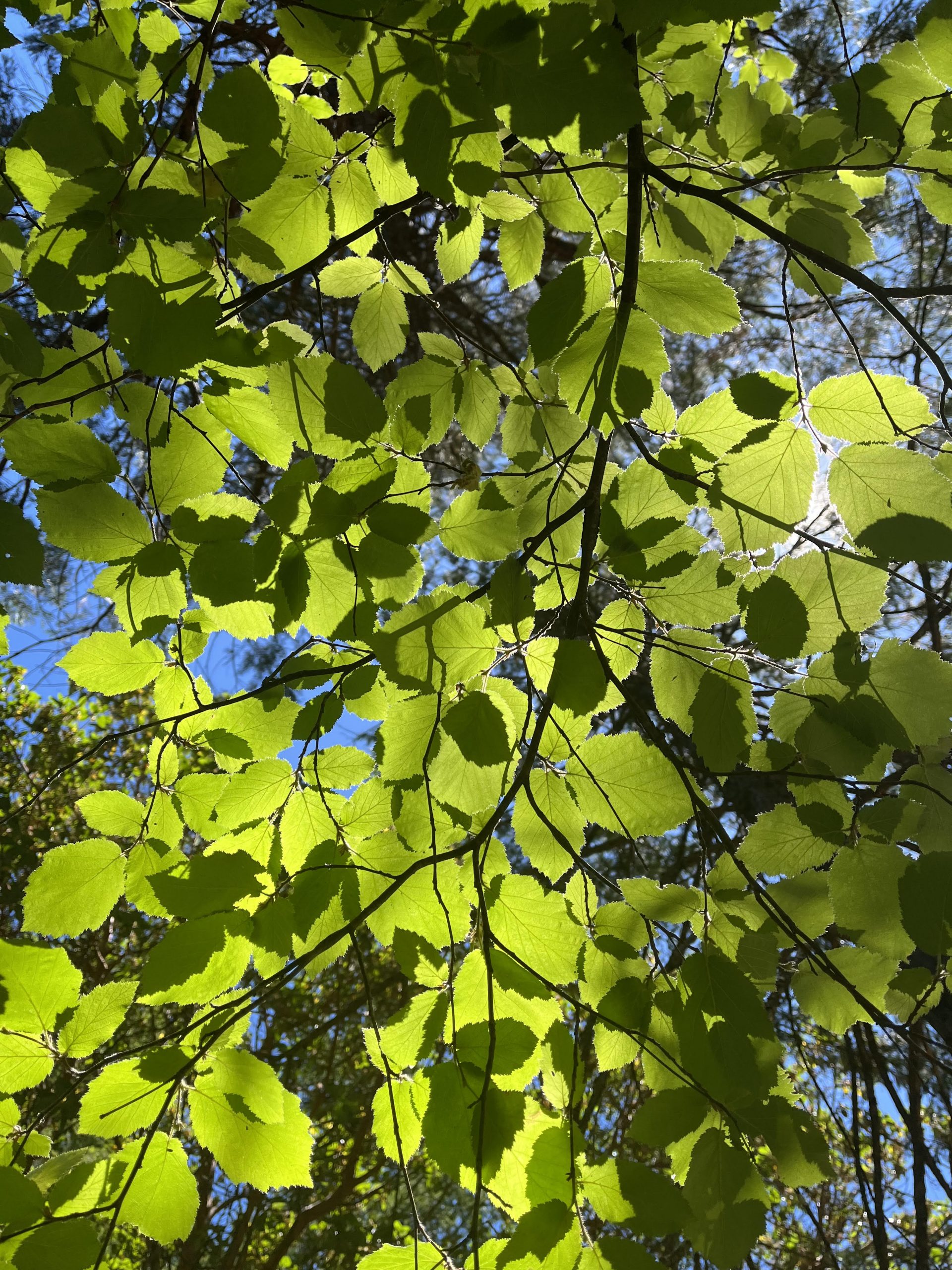
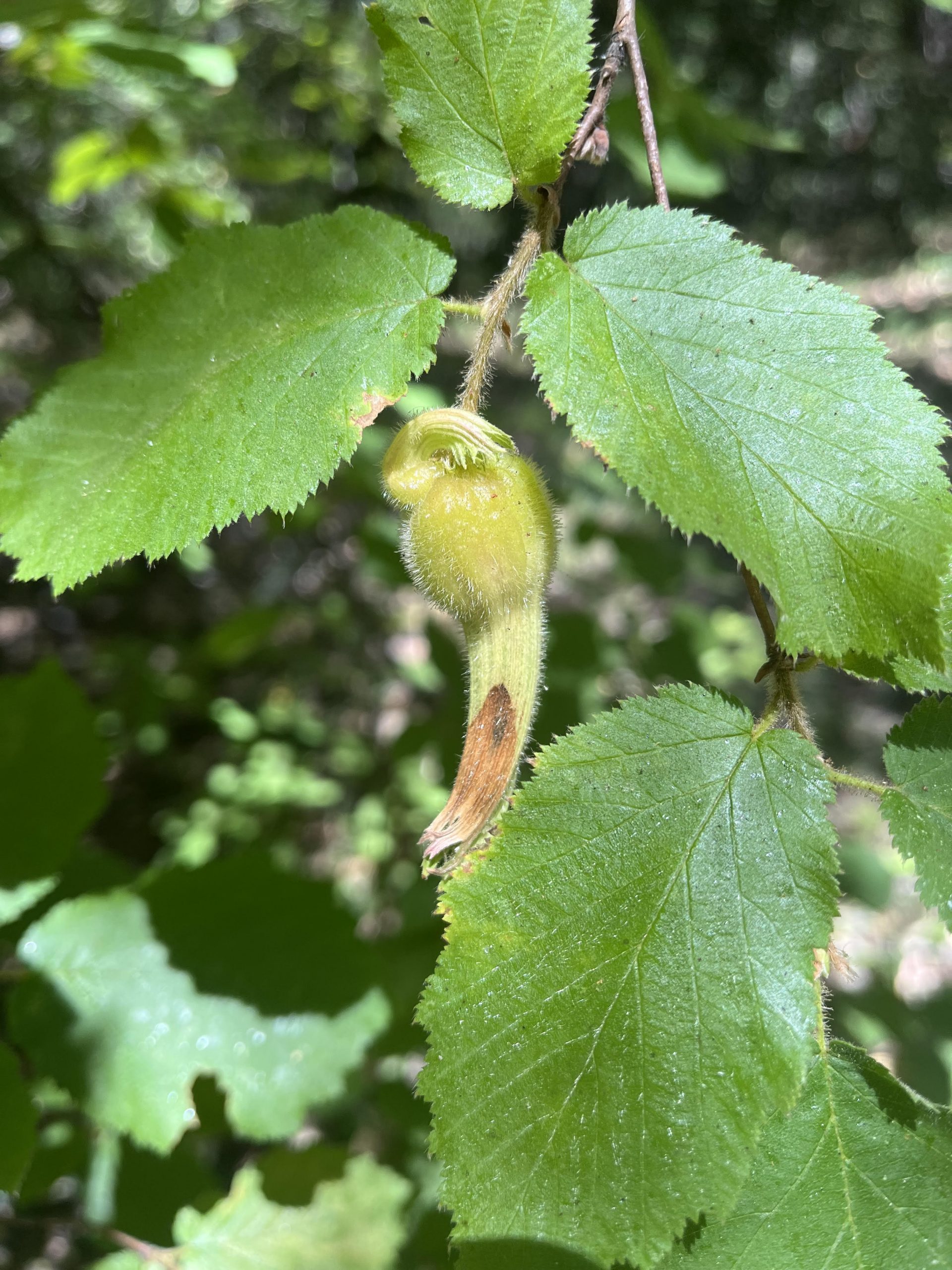
California hazel is a native shrub that grows in the moist shade of forest understory and riparian areas. The leaves are soft and fuzzy, and fall off during the winter (deciduous). During the winter months, the plants produce male flowers, called catkins, along with quaint red female flowers on the same plant. Once pollinated, the female flowers will very slowly develop into a pair of seeds. The seed husks are extremely bristly (like fiberglass) and have long beaks to them, giving this plant one of its common names, “beaked hazelnut”.

Hazelnuts don’t ripen until the later summer/early fall, and often, just one (or none) of each pair will make it all the way to maturity. Hazelnuts are tantalizing food stuffs for an assortment of critters, from insects, to small rodents, to birds, to large mammals. Humans are no exception – native hazelnuts roasted on the woodstove make a delicious winter treat. To harvest, however, we humans have to use our wit to outcompete the hungry critters, who will devotedly devour every hazel in sight if given the opportunity.

The historical relationship between humans and hazels is much more multi-faceted than mere consumption. Native Americans who share a range with this plant, including the Hupa, Yurok, Wintu and Chimiariko tribes have long utilized hazels in basketry and fiber-making. In the Hupa language, there is a different word for each of these applications. K’ila:jonde’ translates to ‘hazel’ or ‘hazelnut’, while tł’ohsch’il’e:n means ‘hazel brush switches’ or ‘hazel bush’. If separated from the plant, a hazel stick itself is referred to as miq’ik’itł’oy’, and the verb for twisting a hazel withe to make it flexible is k’iq’e:n.

California hazels are just one of the important characters that constitute our local flora; healthy ecosystems are comprised of a great diversity of native plant species. Stay tuned to learn more about local native plants and their ecological roles!

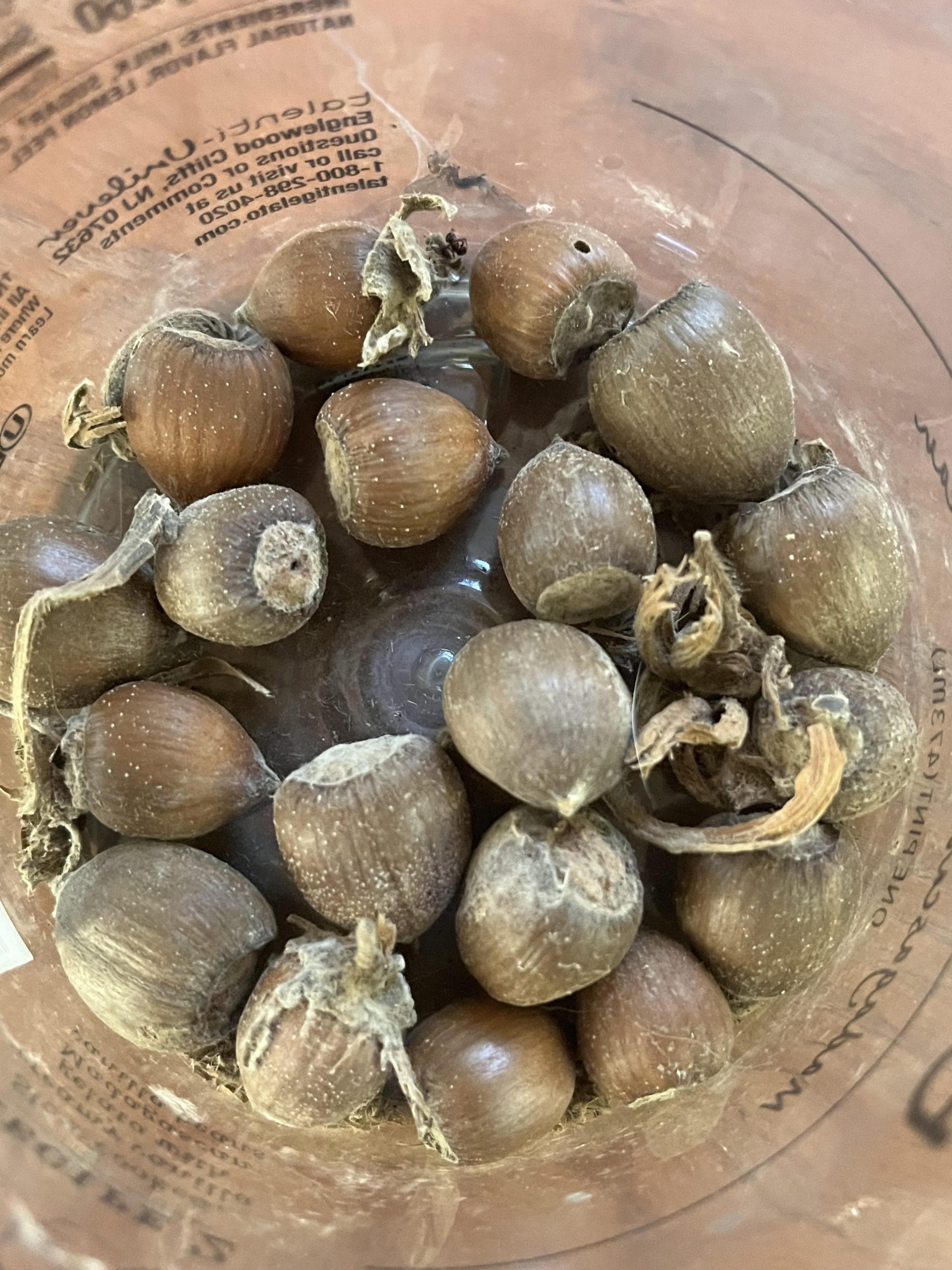
Photo top left: A hazelnut growing on the shrub. An unfertilized/undeveloped hazelnut is seen on the left.

Photo top middle: This old, twisted hazel branch would not be suitable for basket making.

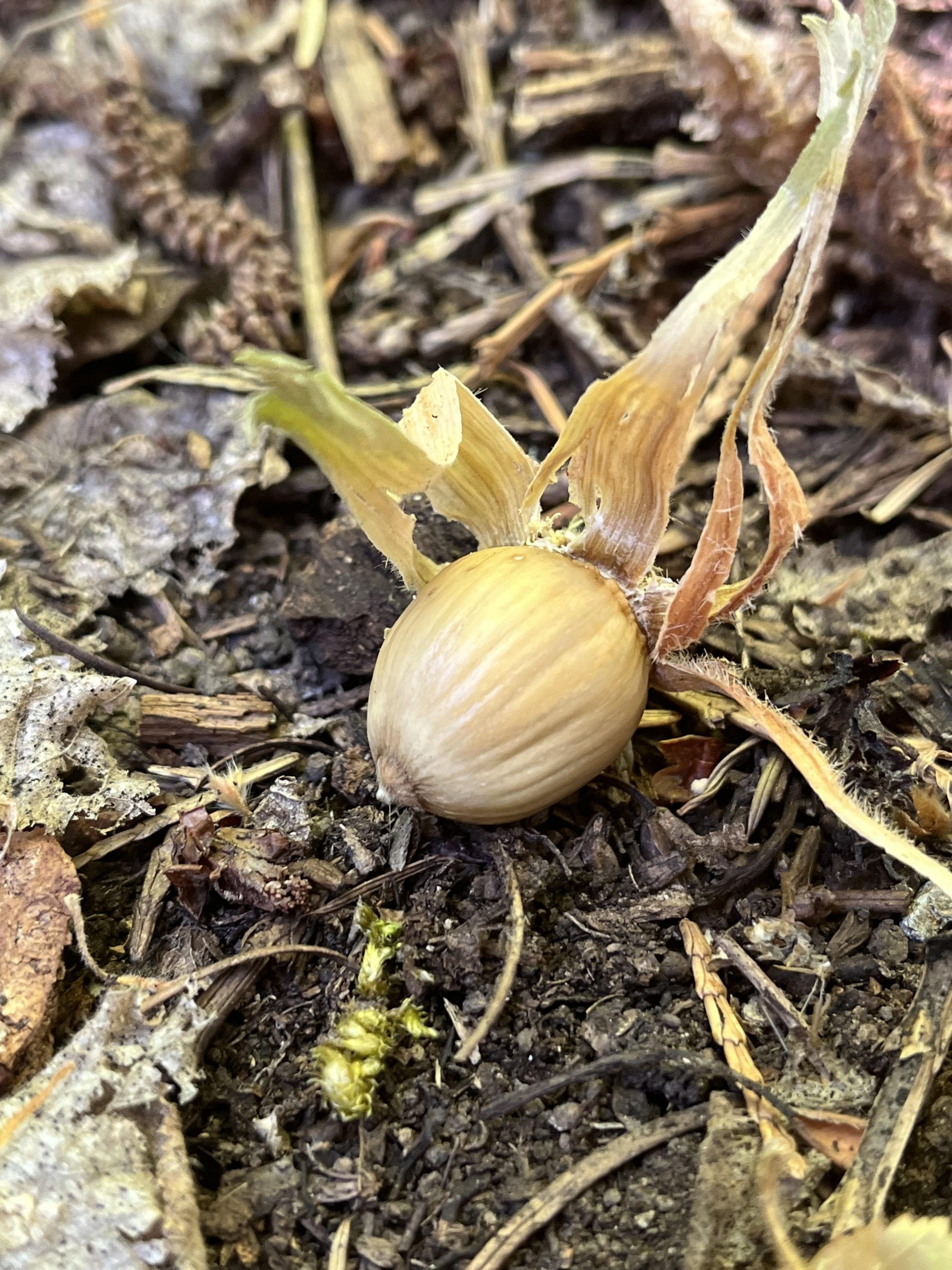
Photo top right: An unripe hazelnut has been knocked onto the ground, but amazingly has not been consumed yet.

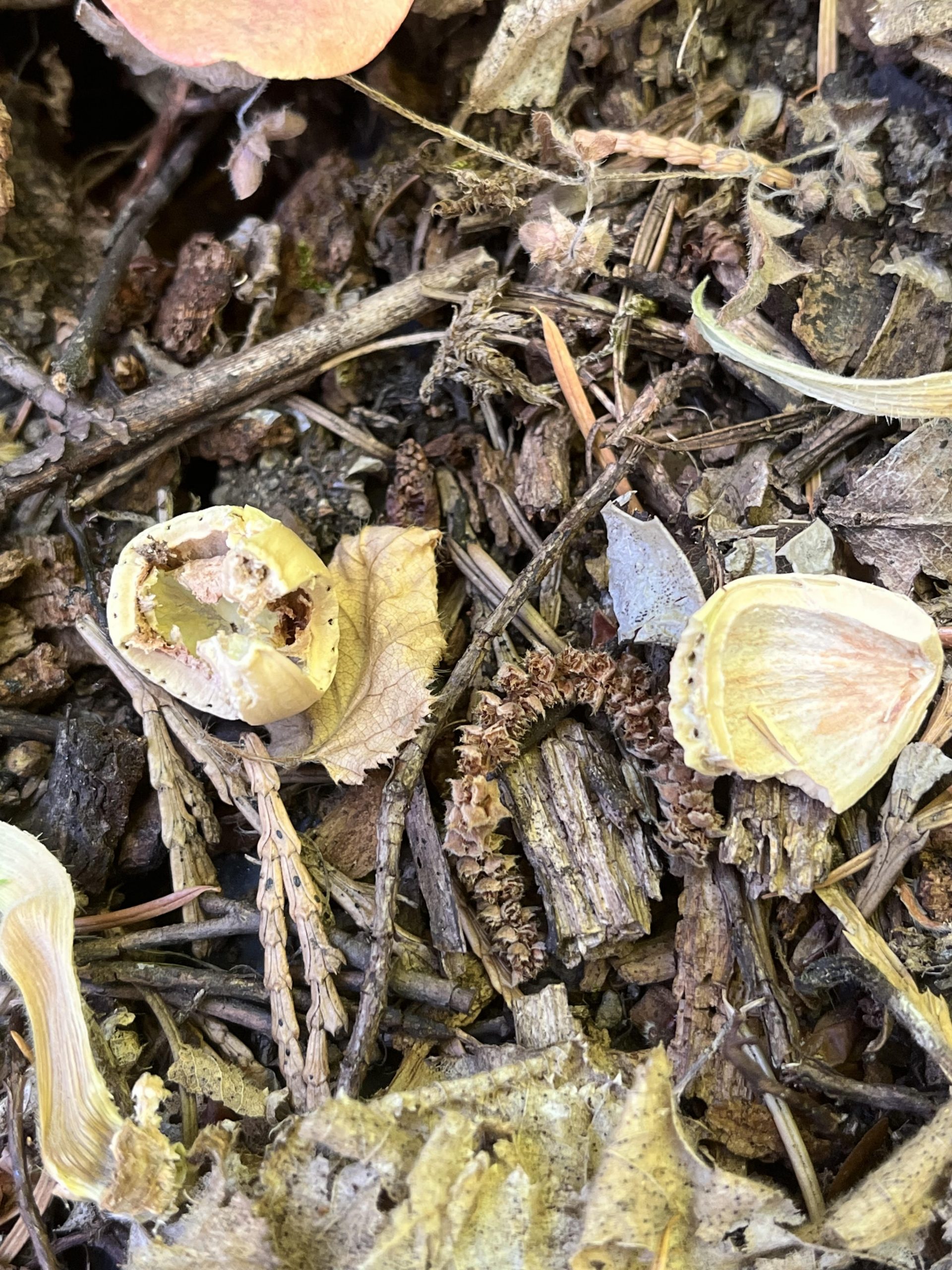
Photo bottom left: An immature hazelnut that has been foraged by local wildlife.

Photo bottom right: Ripe hazelnuts.

Veronica Yates, Riparian Ecologist

(former) Hoopa Valley Tribal Fisheries Department, Weaverville