
By: Chris Laskodi M.S., Fisheries Ecologist, Yurok Tribal Fisheries Department
Stoneflies from the family Perlidae aka Golden Stones
If you are a fly fisherman on the Trinity River, you know one of the top flies in the winter is a golden stone nymph. Unsurprisingly, these stoneflies are one of the most common benthic macroinvertebrates found on the Trinity River. They are especially prevalent in the winter and early spring as most of the other insects have already completed their lifecycle and are growing to emerge the following year.
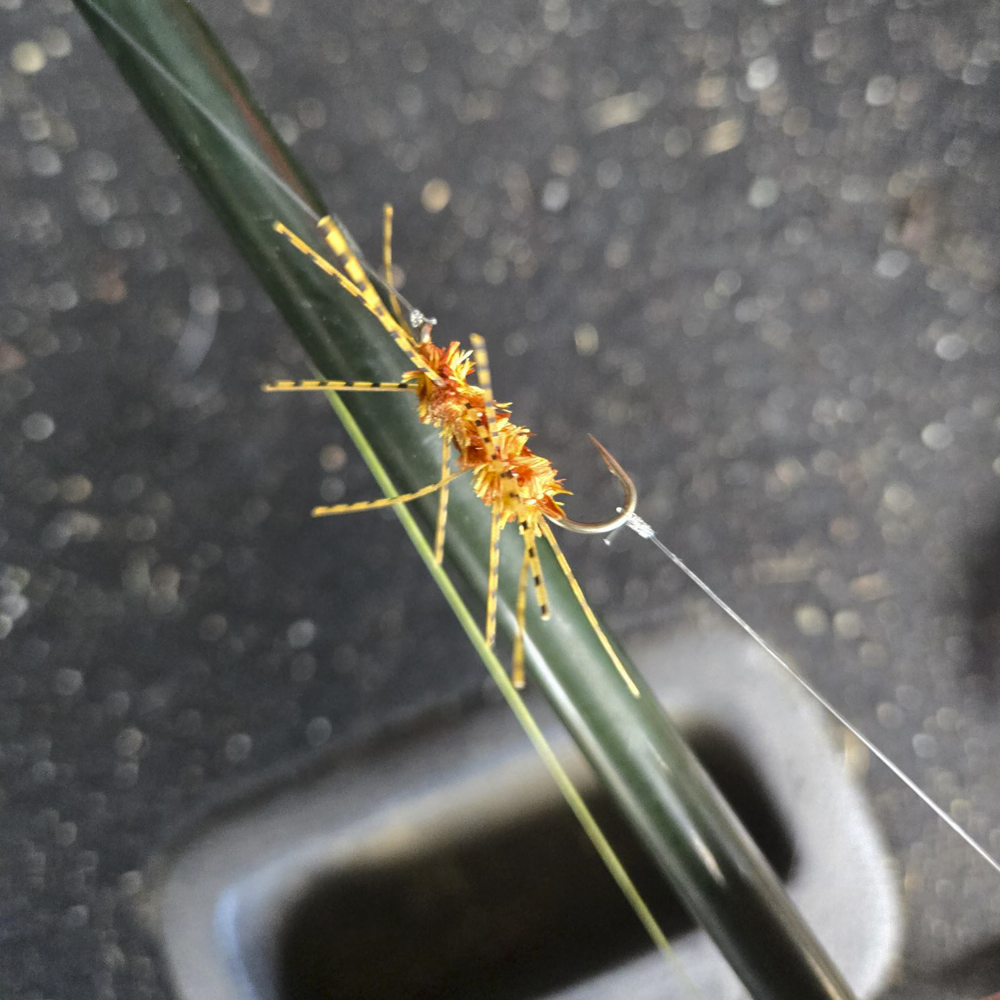
Photo: A stone fly imitation designed to look like the real thing. [Chris Laskodi, Yurok Tribal Fisheries Department]
These stoneflies typically emerge in late spring so they are almost fully grown and are just packing on calories for the next stage of their life cycle. They are avid hunters and consume anything that can fit in their mouths (mostly Chironomids and Baetid larvae). This hunting activity makes them susceptible to entering the drift either voluntary or involuntary potentially providing a tasty morsel for salmonids that are large enough to eat them. TRRP scientists have noticed an uptick of these stoneflies in the last few months during their regular benthic macroinvertebrate surveys providing insight into the stonefly’s behavior.
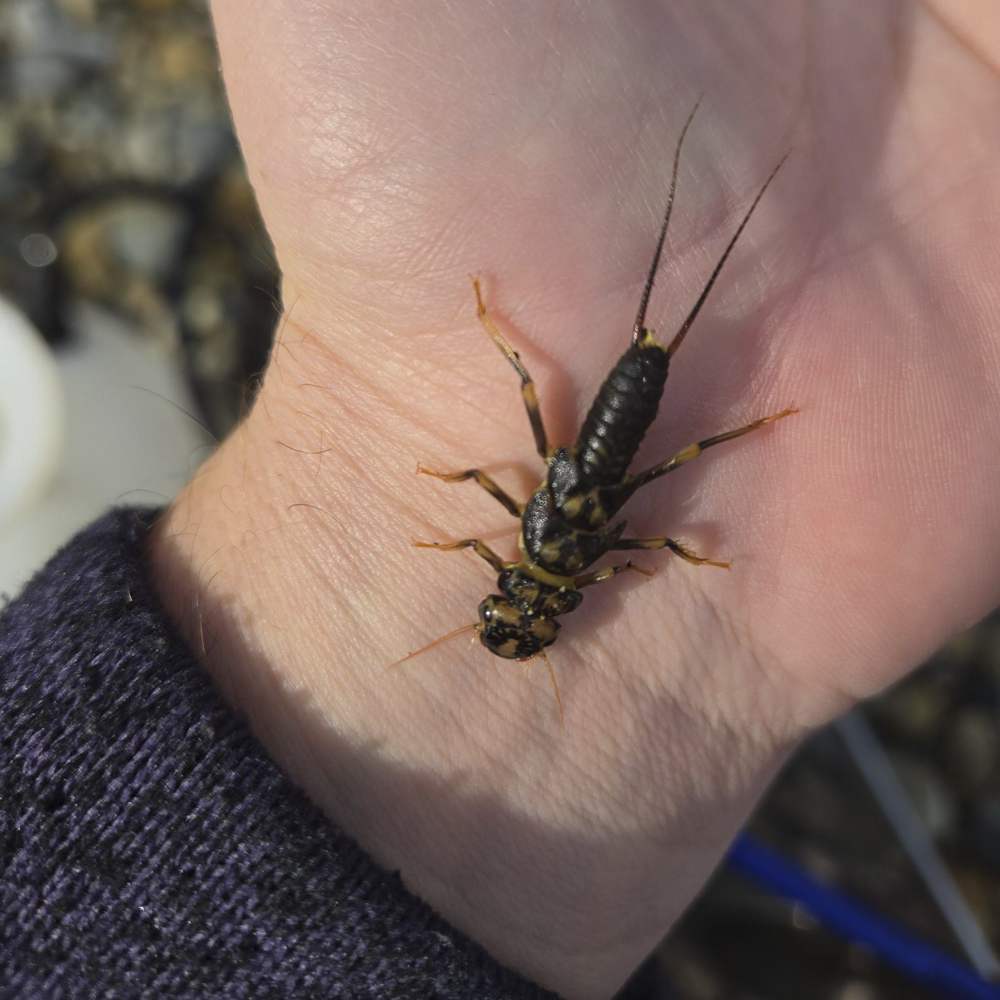
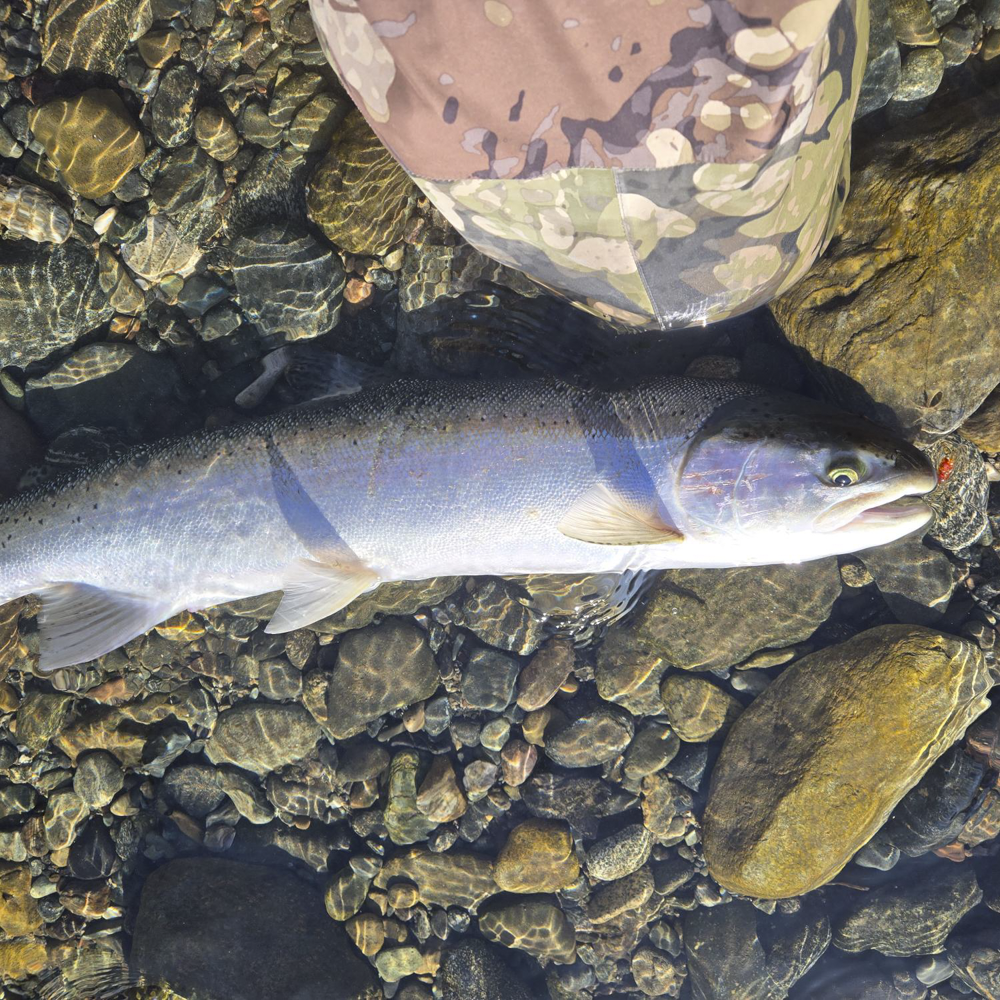
Photos provided by the author.
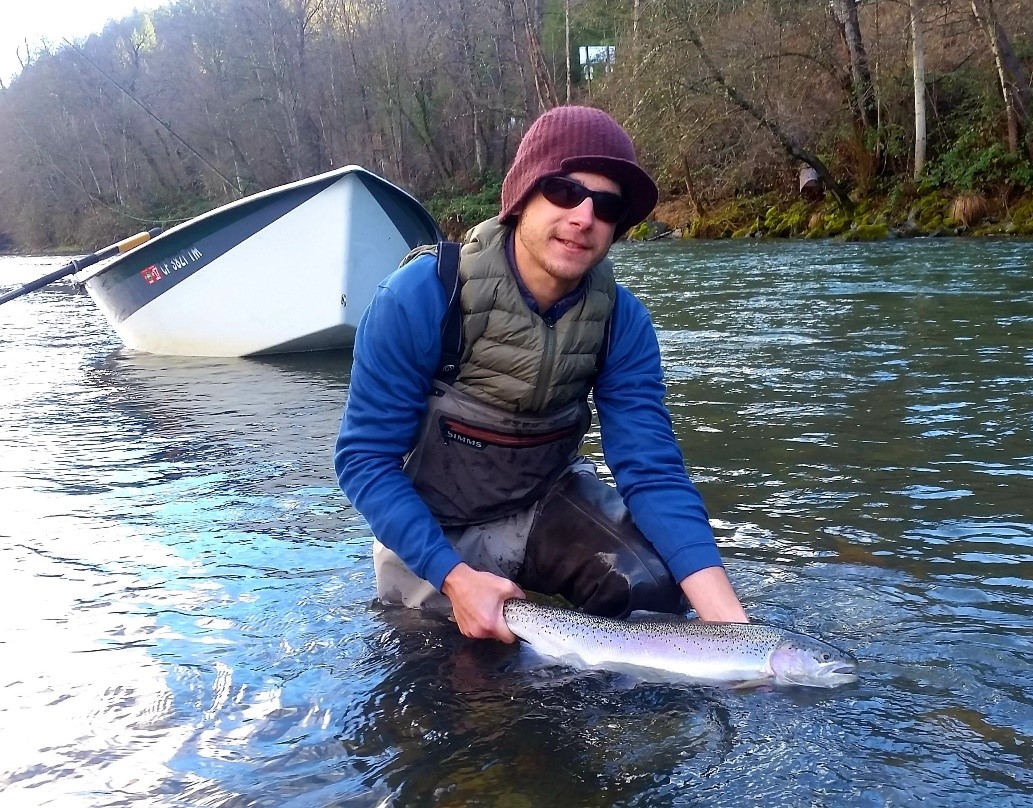
Chris Laskodi, M.S., Fish Ecologist – Yurok Tribal Fisheries Department
Chris serves as the fish biologist/ecologist for the TRRP in the program’s Science branch. Chris has worked on the Trinity River since 2015, previously serving as a fish biologist for the Yurok Tribe and a fisheries technician for the US Fish & Wildlife Service. Chris holds a B.S. in Wildlife, Fish and Conservation Biology from the University of California, Davis and a M.S. in Aquaculture/Fisheries from the University of Arkansas at Pine Bluff. In his free time, Chris enjoys taking friends and family fishing on one of the many watercraft available to him.