
By: James Lee, Implementation Branch Chief – Trinity River Restoration Program
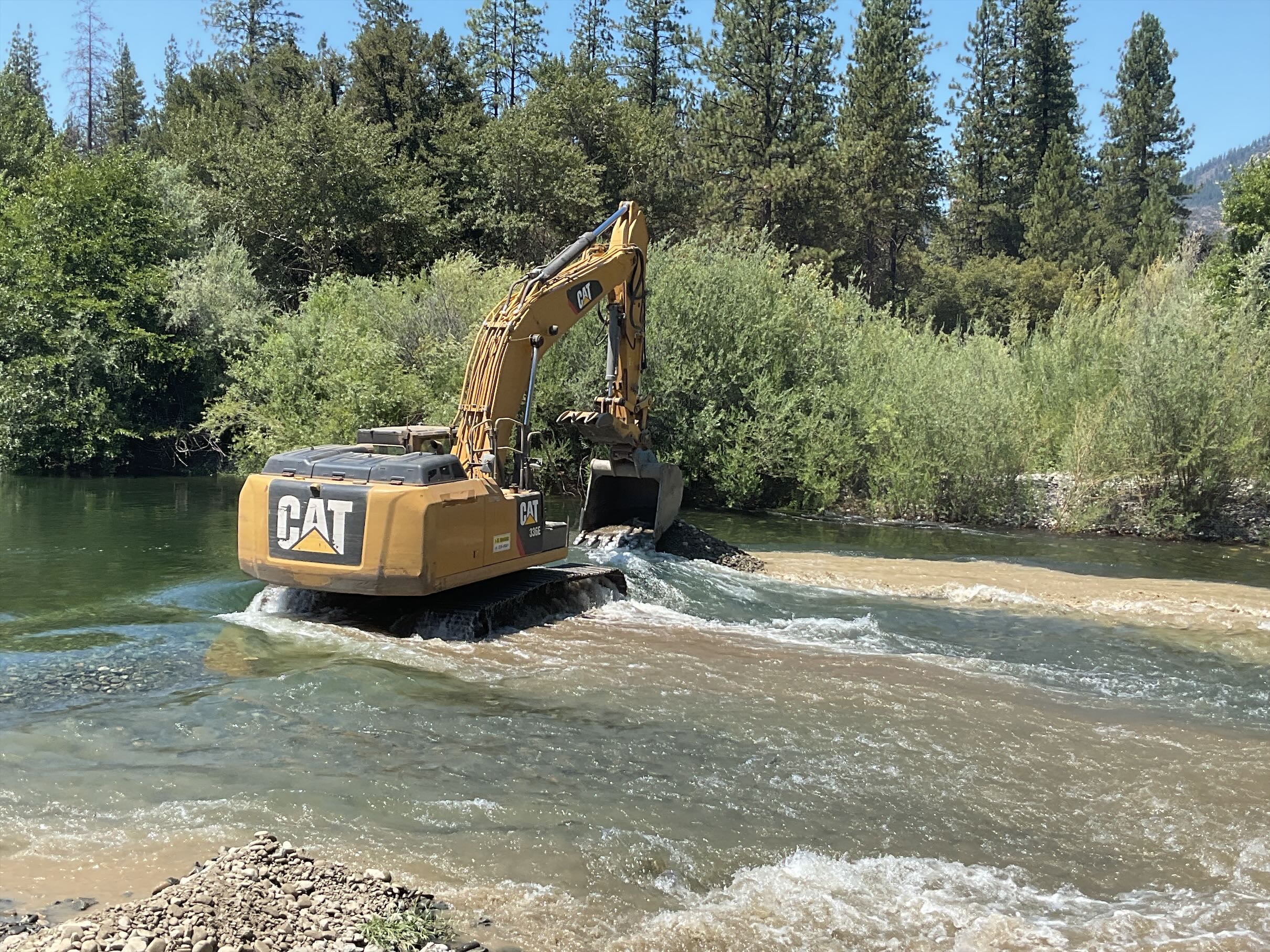
The Trinity River Restoration Program will work toward the completion of three Trinity River channel rehabilitation projects along with five watershed grantee projects all slated to be implemented in the next year.
In 2026, the Trinity River Restoration Program will be closing out our long-term gravel processing site (Sawmill) in Lewiston in tandem with implementing floodplain restoration and side channel maintenance work at the site. The project aims to significantly improve habitat conditions for aquatic and riparian wildlife in this important area close to Lewiston Dam.
Additionally, the Implementation Branch will be diving into the design phase for most of the remaining 47 sites identified in the 2000 ROD. Closest to implementation are the channel rehabilitation projects in Junction City at Evans Bar and Sky Ranch, and the Rush Creek Confluence in Lewiston, likely to enter work phases beginning in 2027. At Evan’s Bar, TRRP intends to enhance habitat availability for juvenile fish, along with maintaining access to private parcels in the area while improving access at the public boat launch. The remaining site designs, which include Sky Ranch, McIntyre Gulch, and middle Steiner Flat, will start to paint the picture of what the 40-mile restoration reach will look like as the program of work identified within the 2000 ROD nears “completion”.
Watershed Grantee Projects
Through our Watershed Grantee Program, the Implementation Branch will continue to collaborate on five projects to improve conditions in Trinity River tributaries in 2026.
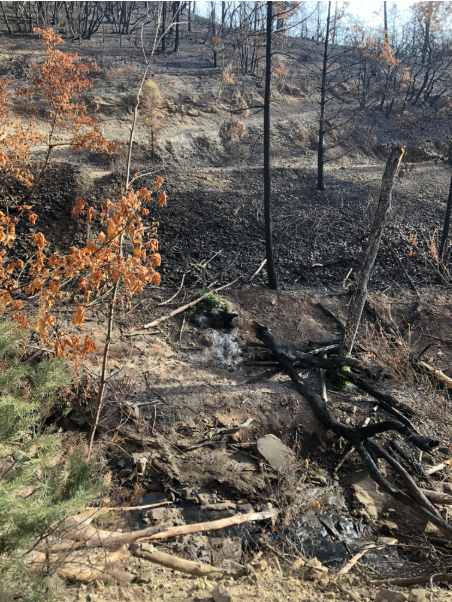
Deadwood Creek Sediment Reduction Project – Northwest California Resource Conservation & Development Council (5Cs)
This project intends to improve sediment delivery in Deadwood Creek, the first major Trinity River tributary below Lewiston Dam. The project will remove legacy mine tailings from Mill Gulch, decommission Thorne Gulch Road, install and enhance 12 rolling or critical dips, remove abandoned vehicles and debris from stream channels and floodplains and build stream enhancement features in Thorne Gulch.
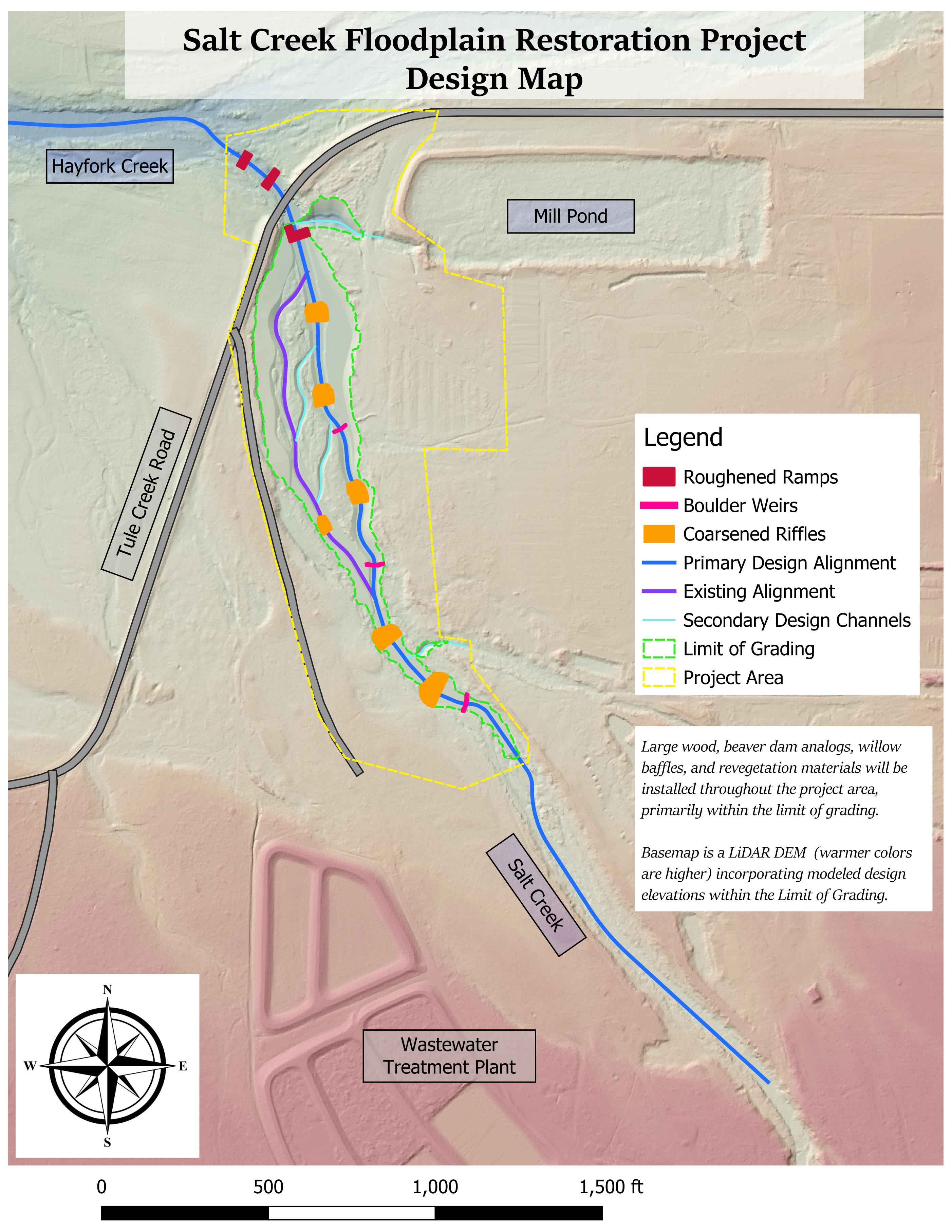
Salt Creek Floodplain Restoration – The Watershed Research and Training Center
This project aims to improve 2,000 feet of heavily degraded salmonid habitat along Salt Creek, a South Fork Trinity River tributary, by reconnecting the creek to its historic floodplain using engineered and process-based restoration techniques. The project will increase aquifer recharge and storage for slow release to temper a thermal barrier for salmonids, restore geomorphic functions that will improve salmonid spawning gravels, create pools for summer cool water refugia, increase habitat heterogeneity for winter flow high-velocity refugia, and improve native riparian flora, all of which will increase the resilience of aquatic species from the impacts of climate change. Implementation is scheduled for summer 2026.
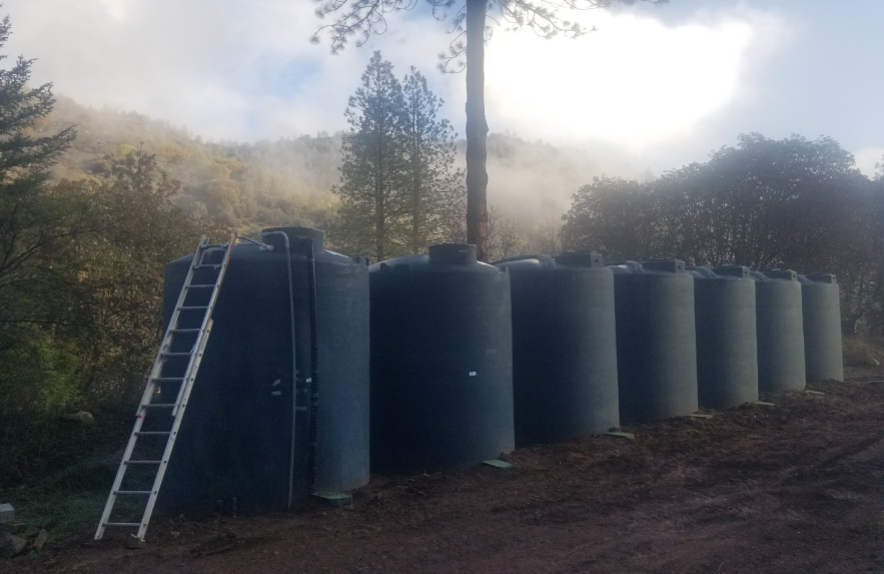
Water Resiliency in the Greater River Trinity Watershed for Aquatic Ecosystem and Human Domestic Needs – The Watershed Research and Training Center
The organization is tasked to plan and implement storage tank arrays and establish long-term forbearance agreements to reduce annual water withdrawals from key tributaries to the Trinity River during the summer low-flow period. The project will increase the quality and quantity of natural habitats crucial to the survival of anadromous fishes and aquatic organisms in the Trinity River Watershed. Implementation for two landowners along Brown’s Creek is scheduled for spring 2026.
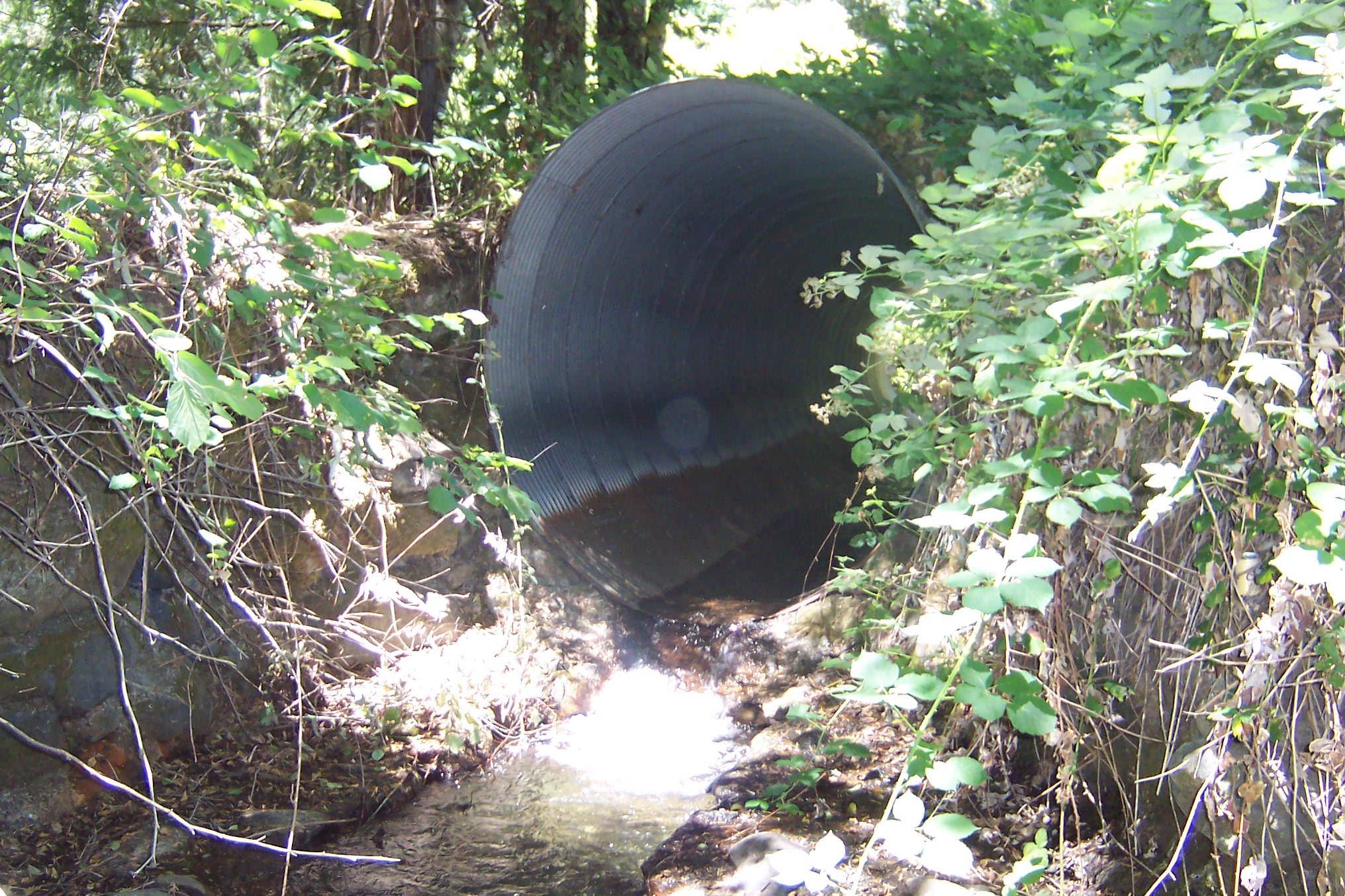
East Branch East Weaver Creek Migration Barrier Removal – Northwest California Resource Conservation & Development Council (5Cs)
This project will replace an aging culvert that has become a fish passage barrier on the East Branch of East Weaver Creek. The new infrastructure placement will open nearly 2 miles of habitat for anadromous species of the Trinity Watershed.
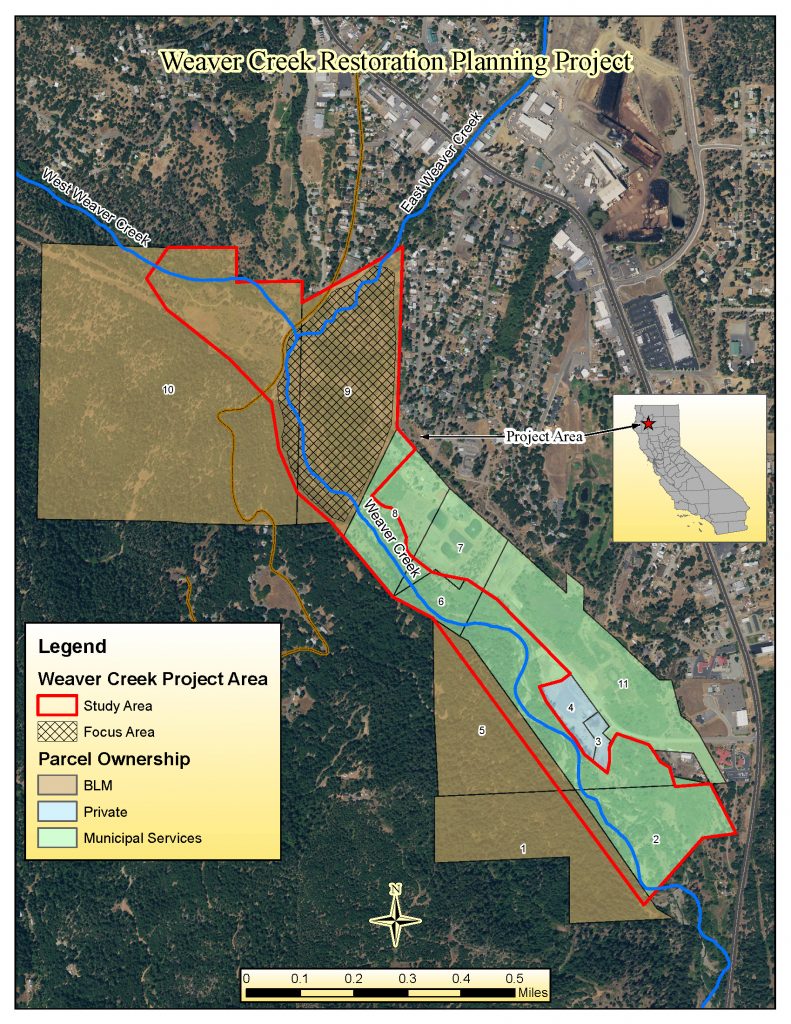
Weaver Creek Habitat Restoration Implementation – The Yurok Tribe Fisheries Department
The Yurok Tribe Fisheries Department will complete the NEPA process and work towards rehabilitation along the upper section of Weaver Creek, a tributary to the Trinity River. The project will control the spread of invasive plant species, establish habitat connectivity during summertime baseflow conditions, and support populations of threatened Coho Salmon through enhanced floodplain an instream habitat conditions. The Yurok Tribe is collaborating with the Nor Rel Muk Wintu Nation, Federal land managers, the Weaverville Sanitary District, and adjacent landowners for this restoration project.
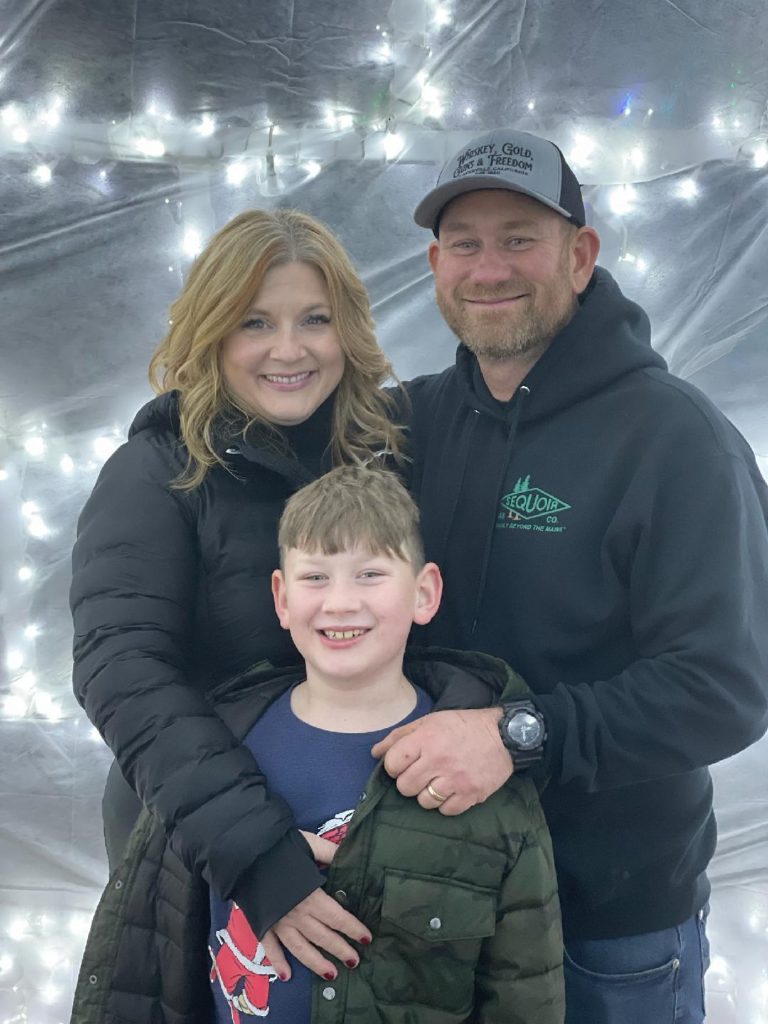
James Lee, MS – Implementation Branch Chief
James Lee grew up near Redding, Ca, but his heart has always been in the Trinity’s, where he chased tadpoles, salmon, deer, and gold nuggets for much of his youth. This love of the outdoors turned into an interest in managing fish, wildlife, water, timber, and other natural resources.