
By: Michael Dixon, Executive Director – Trinity River Restoration Program
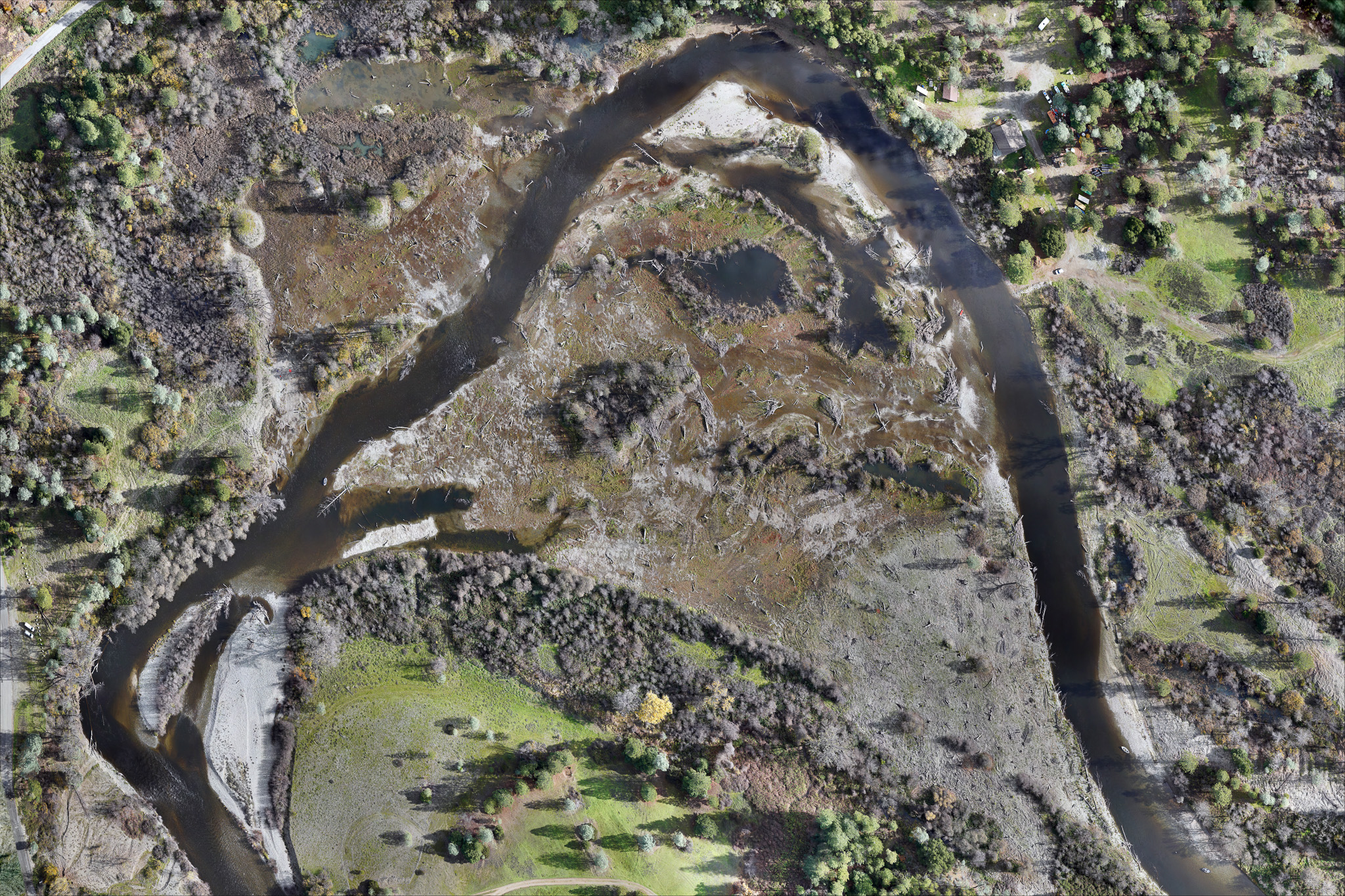
As we enter 2026, let us pause to reflect on this past year, which was the 25th year of the Trinity River Restoration Program. I’m sure that most will agree that 2025 felt decidedly tumultuous, but we managed to overcome a lot of hurdles and get important work done.
Although we said goodbye to an unprecedented number of TRRPers from across our partnership, the pace of our work did not slow down. While we cannot replace the friendships and personalities of our colleagues who no longer roam our meetings and hallways, those that remain have showed great resolve in their dedication to this program and its mission.
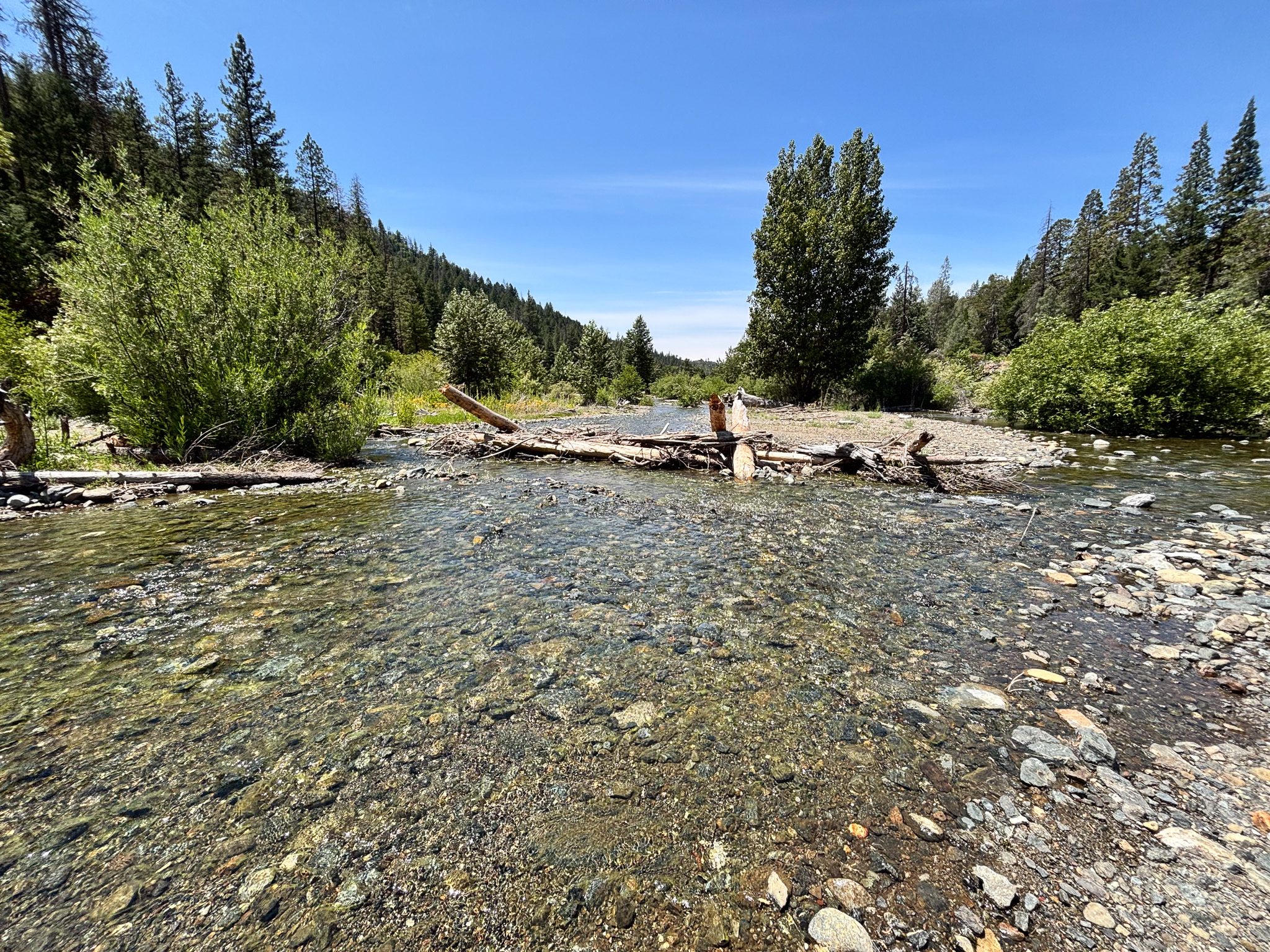
Last year, we completed the Watershed Restoration EA, an ambitious document that will dramatically streamline the environmental compliance process for not just the TRRP’s restoration work, but also for other partners in the watershed. The document was a collaboration with the Bureau of Land Management, the US Forest Service, and our office, and was a heavy lift by many dedicated individuals over several years. We are already seeing the benefits of their hard work with the 2026 construction season approaching.
We abruptly lost our long-term outreach grant with the Trinity County RCD late last spring, but our relationship with them endures. We are actively working on ways to share capacity and continue the work that we do together. Popular events like Science on Tap and youth outreach camps such as the Weaverville Summer Day Camp will continue into 2026.
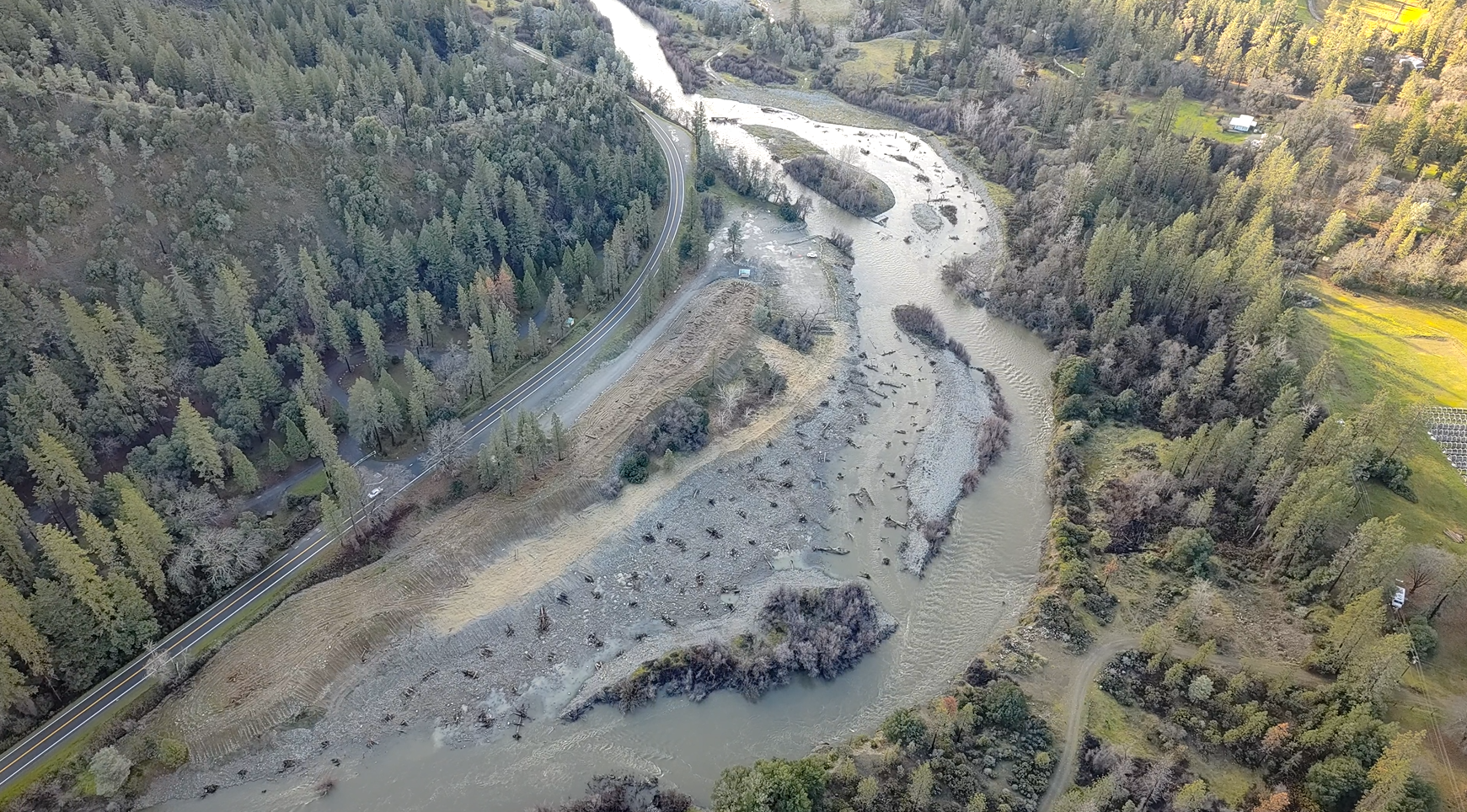
We completed the Upper Conner Creek restoration project. The project rehabilitated nearly 15 acres of floodplain habitat and filled a final puzzle piece of a patchwork of channel restoration projects both up and downstream of the area. The design was the third largest design we have ever implemented in terms of excavation volume. This project saw a significant amount of input from partnerships and stakeholders, leading to a project that met the needs of many while keeping the goal of habitat enhancement for fish and other wildlife at the center. Watching flows from these last several December storms spread out on all that new floodplain has been very exciting – the site looks great and we look forward to watching it evolve.
Speaking of flows, we are now in our second year of implementing the full winter flow project ruleset to better manage and study our environmental flows. For a second year in a row the atmosphere delivered a Christmas storm triggering a synchronized storm pulse. This flow gave the river a healthy scrub (especially up by Deadwood Creek) and set the stage for a vibrant food web to develop as salmon emerge from the gravel.
In the broader Klamath-Trinity watershed, we saw an incredible, unhoped-for number of adult salmon pass the former Klamath dam sites and make it into the upper watershed. Partners in the program were instrumental in making that happen, and there is little doubt the dam removals will pay dividends for the Trinity as well – a rising tide lifts all boats.
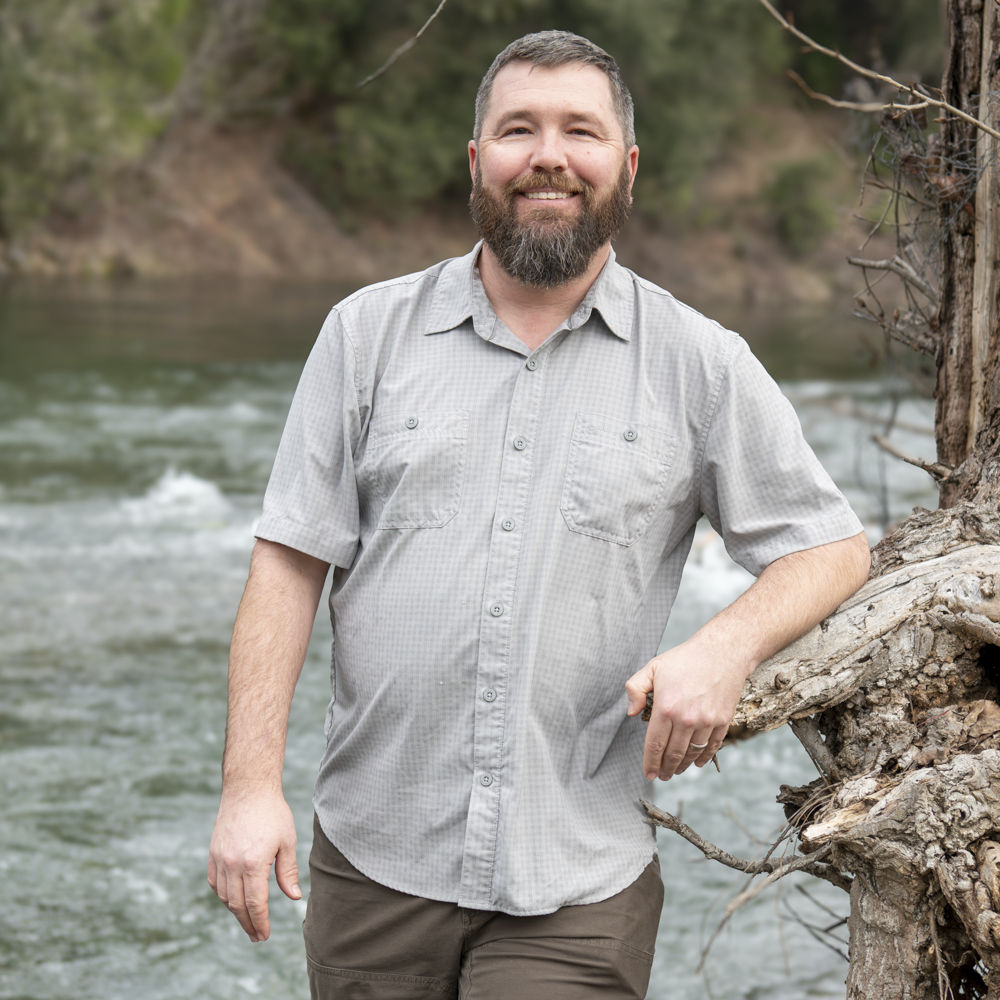
Michael Dixon, PhD – Executive Director
Mike Dixon is the Executive Director of the Trinity River Restoration Program and a northern California native. He fell in love with the Trinity River and Klamath Mountains while assigned to his first duty station at Coast Guard Air Station Humboldt Bay. He received a Ph.D. in Conservation Biology from the University of Minnesota, Twin Cities, where his dissertation focused on the landscape ecology and population genetics of bats. He lives on a small, perennial tributary of the Trinity River near Weaverville.