By: Kiana Abel (TRRP), Nick Van Vleet (CDFW) & Morgan Knechtle (CDFW)
Preliminary Results for 2025 Klamath Basin Natural-Origin Adult Escapement
Preliminary results from monitoring of natural-spawning fall-run Chinook salmon for the Klamath Basin (which includes the Trinity River Watershed) have estimated adult (age 3-5) returns slightly below the 40,700 target for maximum sustainable yield for 2025. These preliminary results place natural-spawner escapement well above pre-season expectations (<30,000).
The Trinity River accounted for much of this success, with natural-spawner estimates just shy of 24,500 above the Willow Creek Weir. About 14,000 adults are noted within that total. These results move the status of Klamath natural-spawning fall Chinook escapement from overfished to rebuilding status under the regulatory outlines set by NOAA Fisheries. The Klamath Basin has been in overfished status since 2018. The improvement in adult returns is likely due to several factors, including notably, the closure of both the in-river and commercial ocean fishery (with exception of a 2-day recreational ocean fishery last June) in 2025. Habitat enhancements for juvenile chinook and favorable hydrologic and temperature conditions during the rearing period are also likely contributing factors.
Coho Return Estimates Are a Different Story
With significant improvement to Chinook returns, coho returns told a different story. While Central California and Oregon coastal streams reported strong runs (some exceeding recovery targets) Trinity River coho returns remain low. Fish biologists surmise the discrepancy between regions could be due to challenges specific to the Trinity Basin during the rearing period for the 2025 escapement class. Challenges including severe drought, water temperatures during nesting phase, egg health issues like thiamine deficiency, and health of hatchery egg stock. Due to lack of pairs, hatchery operations will rear limited numbers of coho this winter, and no coho specific in-stream Remote Site Incubation projects are planned in the Trinity Watershed this winter.
Management of Klamath Basin Chinook Escapement and Harvest Quotas
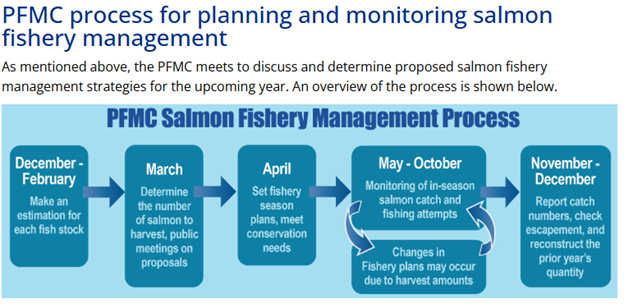
The Pacific Fishery Management Council (PFMC) adopts harvest plans for Klamath Basin Chinook under the Magnuson-Stevens Fishery Conservation and Management Act, ensuring sustainable harvest and stock rebuilding. Each year, PFMC develops Fishery Management Plans and harvest specifications using pre-season forecasts provided by in-river monitoring, stock assessments, and harvest control rules tied to conservation objectives. The process incorporates broad stakeholder input, including tribal, commercial, and recreational representatives, through public hearings and advisory panels. Scientific review by NOAA Fisheries and state biologists evaluates population dynamics, ocean conditions, and climate trends to model impacts of proposed harvest levels. After public comment and review, PFMC adopts final quotas and season structures, which NOAA Fisheries implement federally, and states align for inland waters. This transparent, science-based framework balances sustainability, equity, and ecosystem health while meeting escapement targets for the Klamath Basin.
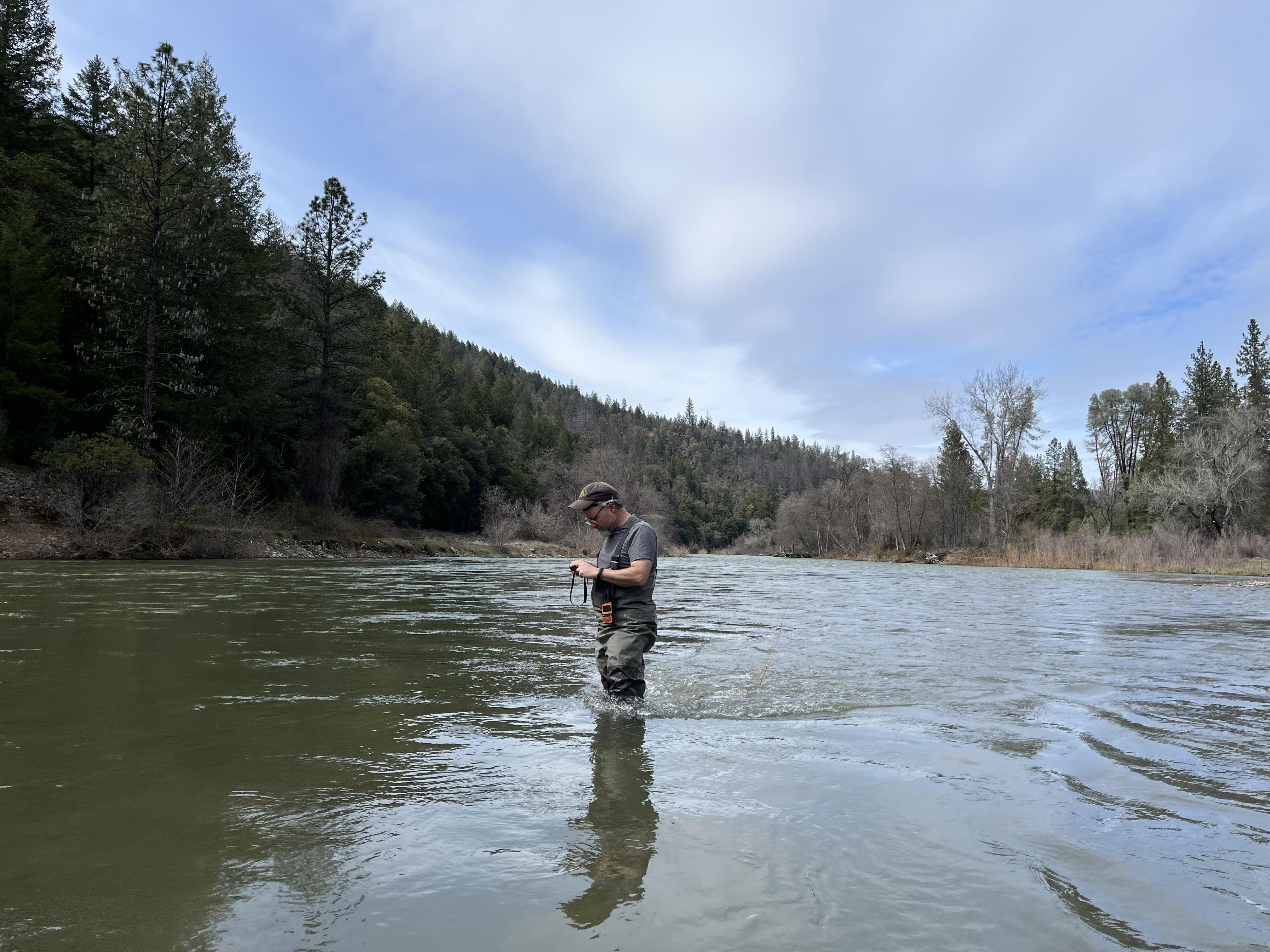
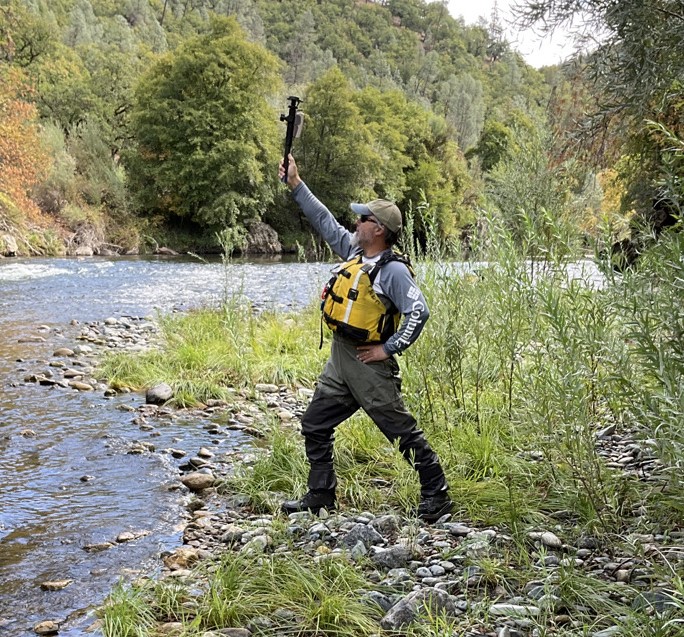
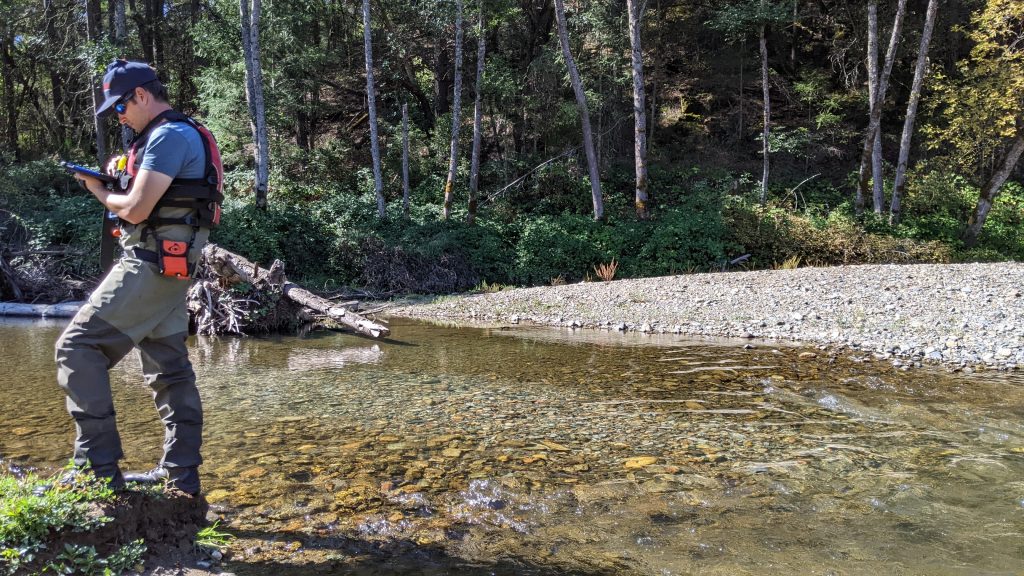
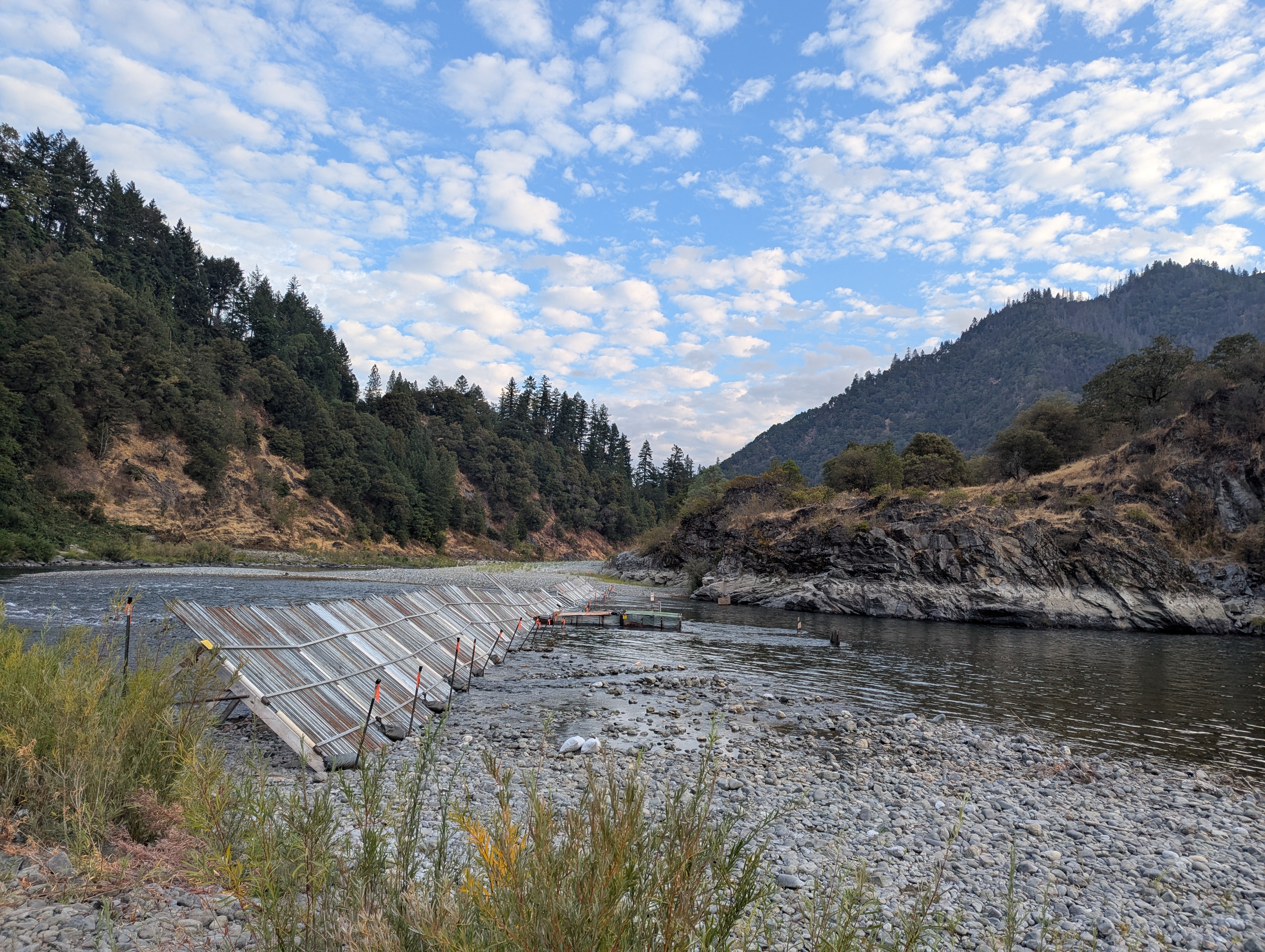
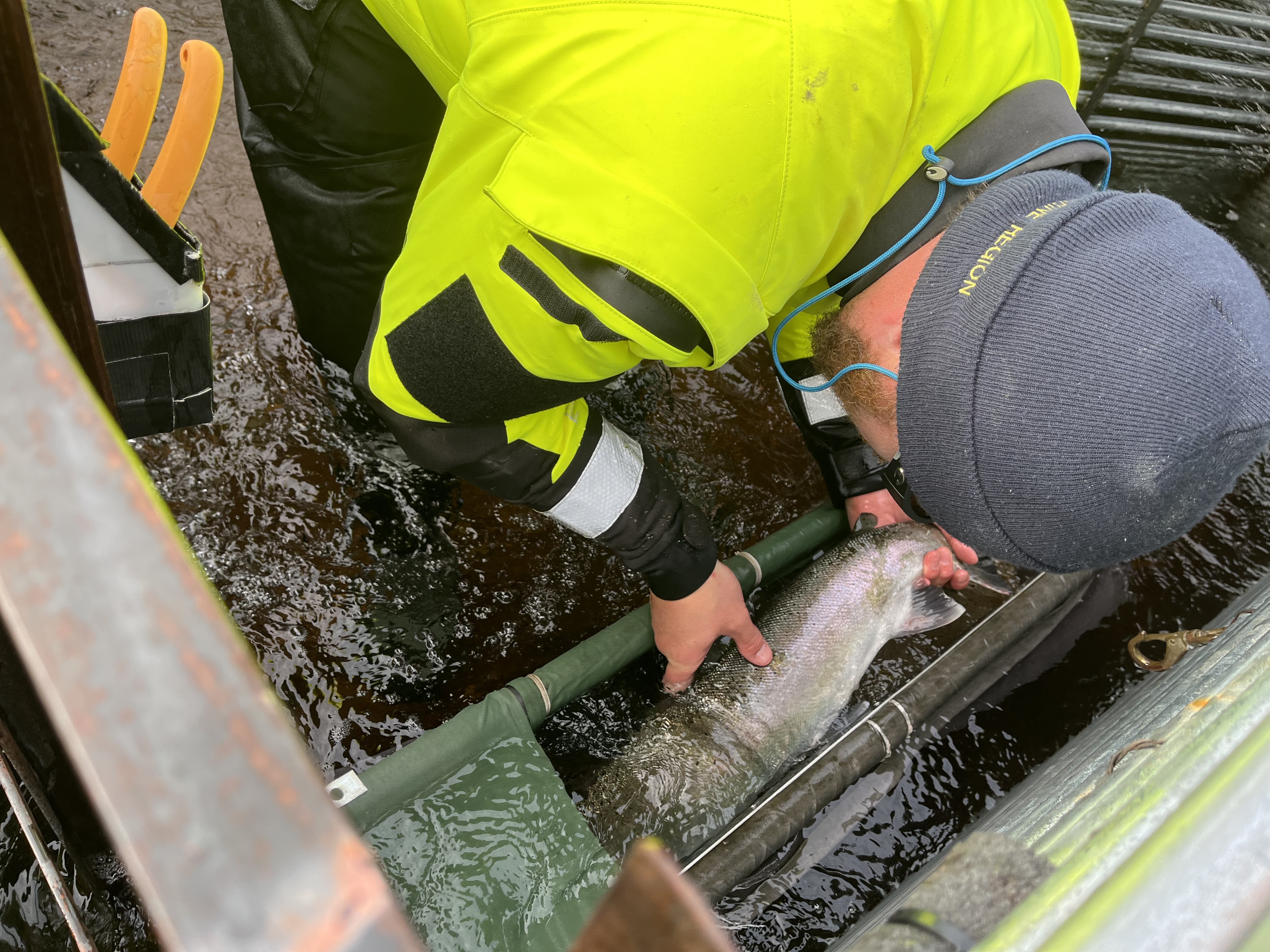
Trinity River salmonid escapement is monitored annually via three weir locations on the Trinity River at the Willow Creek Weir, Hoopa Harvest Weir and the Junction City Weir. Additionally, biologists from a collection of agencies annually track the population of spring Chinook salmon and summer steelhead via snorkel dives throughout the New River, Canyon Creek, and the North and South Forks of the Trinity River.
Annual adult monitoring efforts at the Junction City weir are implemented by the California Department of Fish and Wildlife with monitoring assistance from the Hoopa Valley and Yurok Tribes and are funded by the Bureau of Reclamation. The Willow Creek weir is operated by CDFW with assistance from the Yurok Tribe during the coho monitoring period. Trapping efforts typically range from late spring/early summer to mid-fall/early winter.

Kiana Abel, Public Affairs Specialist
As Public Affairs Specialist for the Trinity River Restoration Program, Kiana manages external communications, media relations, and stakeholder outreach. She acts as a liaison between program initiatives and the public, transforming technical findings into compelling narratives that promote understanding of restoration initiatives on the Trinity River. Kiana holds a Batchelor’s in Art History, has spent most of her career in marketing and is focused at the TRRP on bridging the gap between public awareness and resource restoration and management.